2026 Best Types of Storage Tanks for Global Buyers

Choosing the right storage tanks is rarely a simple matter of comparing prices. Global buyers must match tank construction with the stored product, operating temperature, site conditions, and expected service life. A steel tank may suit petroleum or process water, while polyethylene can perform better with selected corrosive chemicals. Fiberglass-reinforced plastic offers another practical option, especially where corrosion resistance matters. Each material carries different inspection, transport, foundation, and maintenance demands.

“Tank selection begins with the stored product, not the tank shell,” says storage-tank engineer William J. Lyons. This principle remains useful when evaluating welded, bolted, vertical, horizontal, atmospheric, or pressure-rated designs. The smallest details can affect long-term performance. Consider a coastal site with salt-laden air, a desert facility facing daytime heat, or a remote project where replacement parts need weeks to arrive. These conditions change the real value of storage tanks.

This guide compares the best tank types for international purchasing decisions in 2026. It examines material strength, chemical compatibility, capacity, installation speed, inspection needs, and lifecycle cost. Safety systems also deserve attention, including secondary containment, vents, leak detection, and overfill protection. A cheaper tank is not always economical. Sometimes it creates hidden maintenance work. That deserves honest reflection.

No single design wins everywhere. Buyer priorities can shift after a soil report, climate review, or product compatibility test. The strongest decision combines engineering evidence, supplier experience, documented quality controls, and realistic operating assumptions. Cost matters. Reliability matters more.
2026 Best Types of Storage Tanks for Global Buyers

Storage Tank Basics: Purpose, Structure, and Main Classification Methods

2026 Best Types of Storage Tanks for Global Buyers

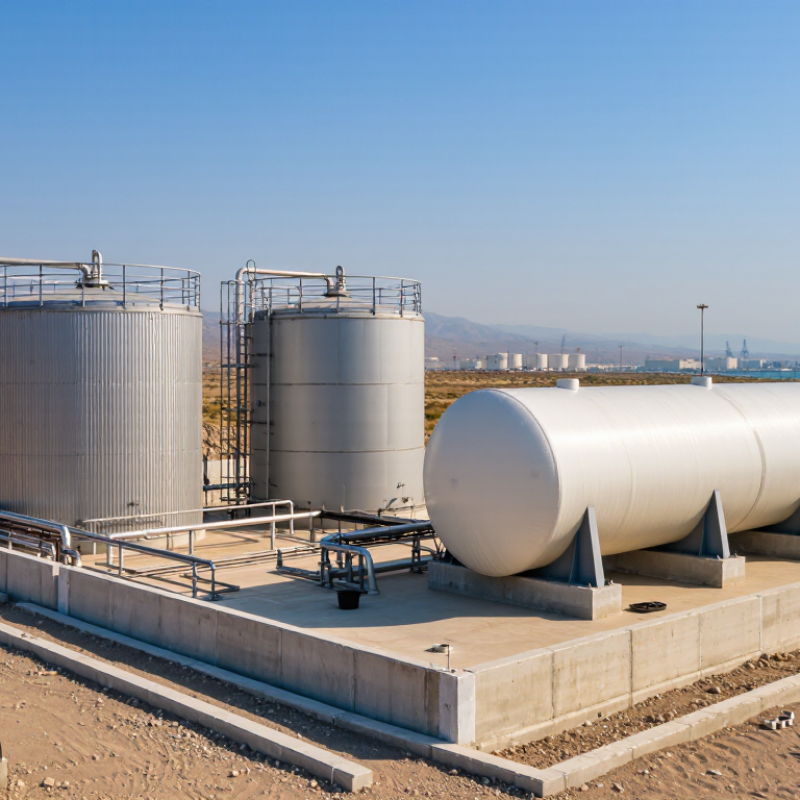
Storage tanks hold water, fuels, chemicals, food liquids, and process materials safely. Their purpose is simple: maintain volume, protect quality, and support steady operations. A tank is more than a steel container. Its shell carries liquid pressure, while the roof, bottom, nozzles, vents, and access openings complete the system. A level gauge shows remaining capacity. A foundation controls settlement. Small details matter.

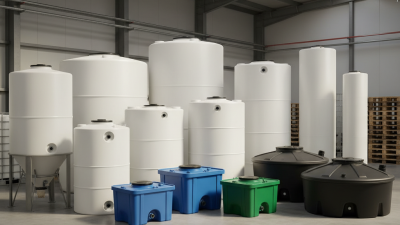
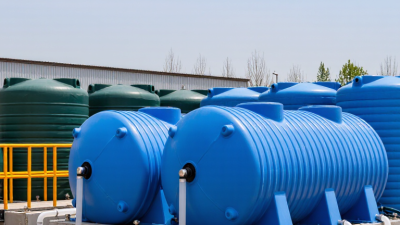
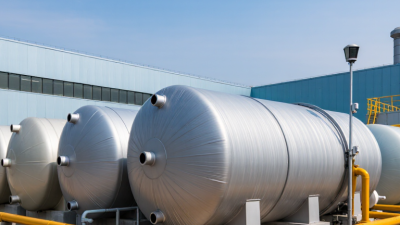
Global buyers commonly classify tanks by material, shape, installation, and pressure condition. Carbon steel suits many industrial applications, while stainless steel supports cleaner service and demanding environments. Plastic tanks can resist selected chemicals and reduce corrosion concerns. Vertical tanks save ground space. Horizontal tanks often suit transport, smaller sites, or limited headroom. Atmospheric tanks operate near normal pressure, while pressure-rated designs require stronger shells and carefully selected fittings.

The stored medium also guides the design. Temperature, density, viscosity, and corrosion behavior affect thickness, lining, insulation, and cleaning access. In practical inspections, weld quality, coating condition, foundation level, and emergency drainage deserve close attention. A neat specification can still miss local weather, seismic movement, or delivery restrictions. That is where planning needs a second look. Buyers should verify standards, inspection records, material certificates, and maintenance access before ordering. Not every larger tank is better. Oversizing may increase cost, cleaning time, and unused capacity.
2026 Best Types of Storage Tanks for Global Buyers

Storage Tank Basics: Purpose, Structure, and Main Classification Methods

How to read the chart: The bars show indicative typical working-volume ranges for widely used storage-tank configurations. Actual capacity depends on the stored product, design code, site conditions, operating pressure, temperature, foundation, and required safety clearance.

Purpose: Storage tanks provide temporary containment for water, fuels, chemicals, gases, food products, and industrial feedstocks while supporting safe handling and supply continuity.

Main classification methods: Tanks are commonly classified by installation position, geometry, operating pressure, roof design, construction material, and the physical properties of the stored medium.

Key Storage Tank Types for Water, Chemicals, Fuel, and Industrial Liquids

Water, chemicals, fuel, and industrial liquids need different storage strategies. The UN World Water Development Report 2024 states that agriculture uses about 70% of global freshwater withdrawals. For water projects, welded or bolted steel tanks suit large municipal volumes. Concrete reservoirs work well with stable foundations. HDPE tanks fit smaller sites and corrosive environments. Material quality still matters more than appearance.

Chemical storage demands compatibility testing. Stainless steel handles many aggressive liquids, while lined carbon steel can reduce cost. Fiberglass-reinforced plastic suits selected acids and salts, but temperature limits must be checked carefully. The UN Environment Global Chemicals Outlook II highlights continuing growth in chemical production and rising pressure to control environmental risks. Secondary containment, leak detection, and separated drainage are practical requirements, not decorative additions.

Fuel tanks often use welded carbon steel designed under API 650, with inspection practices linked to API 653. The IEA’s Oil 2024 report forecasts global oil demand reaching 105.4 million barrels per day by 2029. That forecast keeps bulk fuel storage relevant, although demand patterns may change. Industrial liquids may require stainless steel, jacketed tanks, agitators, or insulation. Viscous products need larger outlets and smoother internal surfaces. Small details matter. A cheaper tank can become expensive after corrosion, cleaning delays, or foundation movement. No catalog table replaces a site survey, compatibility review, and realistic maintenance plan.

2026 Best Types of Storage Tanks for Global Buyers - Key Storage Tank Types for Water, Chemicals, Fuel, and Industrial Liquids

Comparative guide to common storage tank designs, materials, operating ranges, and selection considerations.

Storage Tank Type Typical Applications Common Construction Materials Typical Capacity Range Typical Operating Pressure Typical Temperature Range Main Advantages Key Selection Considerations
Welded Carbon Steel Tank Diesel, gasoline, lubricants, process water, wastewater, and general industrial liquids Carbon steel with protective coating, lining, or cathodic protection where required 20 m³–100,000 m³ Usually atmospheric to low pressure; engineered designs may be higher Approximately −20°C to 120°C, depending on design and lining High structural strength, scalable capacity, broad engineering support, and suitability for large tanks Corrosion protection, foundation settlement, weld inspection, product compatibility, and local fire regulations
Bolted Steel Tank Potable water, firewater, wastewater, agricultural liquids, and dry or liquid process storage Factory-coated steel panels, galvanized steel, or glass-fused steel with gaskets 50 m³–20,000 m³ Generally atmospheric pressure Approximately 0°C to 60°C, depending on coating, gasket, and liquid Fast site assembly, reduced hot work, transport efficiency, and relatively easy expansion or relocation Gasket life, panel coating quality, anchorage, seismic and wind loads, and site assembly control
Stainless Steel Tank Food and beverage liquids, purified water, pharmaceuticals, chemicals, and hygienic process fluids Austenitic stainless steel grades such as 304 or 316, selected for the service environment 1 m³–10,000 m³ Atmospheric to pressure-rated, depending on vessel design Approximately −20°C to 200°C, subject to grade, fabrication, and seals Good corrosion resistance, cleanability, durability, and low risk of product contamination Chloride exposure, weld quality, passivation, hygienic finish, thermal expansion, and material grade
Fiberglass-Reinforced Plastic (FRP) Tank Acids, alkalis, brine, wastewater, scrubber solutions, and corrosive chemicals Resin and glass-fiber composite with a chemically resistant internal corrosion barrier 1 m³–500 m³ Normally atmospheric or low pressure; not generally used for high-pressure service Approximately −30°C to 100°C, depending on resin and chemical concentration Low weight, strong corrosion resistance, and reduced need for external coating Resin compatibility, ultraviolet exposure, impact damage, support design, and temperature limits
High-Density Polyethylene (HDPE) Tank Water, fertilizers, wastewater, detergents, dilute chemicals, and agricultural liquids Rotomolded or fabricated HDPE, often with UV-stabilized formulation 0.1 m³–100 m³ Atmospheric pressure only for most standard designs Approximately −20°C to 60°C, depending on service and mechanical loading Lightweight, corrosion-resistant, easy to install, and suitable for many aqueous chemicals Chemical permeation, sunlight exposure, thermal expansion, wind anchorage, and liquid density
Concrete Tank Potable water, firewater, sewage, stormwater, irrigation, and large municipal reservoirs Reinforced concrete with waterproofing system, liner, or chemically resistant internal finish 100 m³–50,000 m³ or more Atmospheric pressure; liquid head governs wall loading Typically 0°C to 50°C for ordinary water service Long service life, high mass, good fire resistance, and suitability for very large capacities Crack control, waterproofing, foundation conditions, construction time, and chemical attack
Double-Wall Fuel Tank Diesel, gasoline, heating oil, aviation fuel, and other regulated petroleum products Inner steel or composite tank with a secondary steel or composite containment wall 1 m³–500 m³ for common aboveground installations Atmospheric pressure or low-pressure vapor space Approximately −20°C to 50°C for typical fuel storage Secondary containment helps reduce environmental risk from leaks and supports monitoring systems Leak detection, overfill prevention, grounding, ventilation, fire separation, and applicable fuel-storage codes
Floating-Roof Tank Crude oil, gasoline, naphtha, condensate, and other volatile petroleum liquids Large welded carbon-steel shell with internal or external floating roof and seals 1,000 m³–150,000 m³ or more Near atmospheric pressure Generally ambient temperature; heating systems may be added for viscous products Reduces vapor space and evaporation losses compared with a fixed roof for suitable liquids Roof drainage, seal condition, wind stability, emissions control, lightning protection, and fire safety
Pressure Vessel Tank Liquefied gases, compressed gases, pressurized process liquids, and thermal or process buffering Carbon steel, stainless steel, or other qualified pressure-vessel materials 0.1 m³–5,000 m³, depending on pressure and design Above atmospheric pressure; exact rating must be engineered and certified Approximately −50°C to 200°C, depending on material and service Enables controlled storage of products that cannot be safely held in atmospheric tanks Pressure rating, relief devices, fatigue, material toughness, inspection, certification, and hazard classification

Note: Capacity, pressure, and temperature values are representative planning ranges rather than design limits. Final tank selection should be verified against the stored liquid’s density, viscosity, chemical compatibility, flash point, vapor pressure, seismic and wind conditions, foundation requirements, and applicable local regulations and engineering standards.

Material Selection: Steel, Plastic, Concrete, and Composite Tank Options

Choosing the best storage tank in 2026 starts with material, not appearance. Steel tanks suit large volumes, high structural demands, and industrial sites. Carbon steel offers strength, while stainless steel performs better against many corrosive liquids. However, coatings, weld quality, and inspection access strongly affect service life. A cheap steel tank can become expensive after repeated repairs.

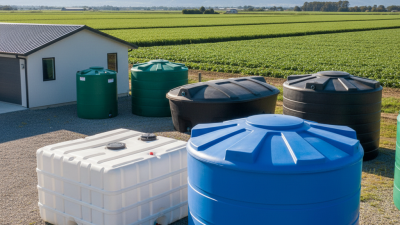
Plastic tanks are lightweight, corrosion-resistant, and practical for water, chemicals, and agricultural liquids. Polyethylene tanks work well where transport and installation space are limited. They can deform under heat, sunlight, or uneven foundations, so site preparation matters. It depends. Concrete tanks provide excellent stability and useful thermal protection. They fit underground or permanent installations, but cracking, seepage, and difficult repairs require careful engineering. Drainage around the structure should never be treated as an afterthought.

Composite tanks combine a structural core with corrosion-resistant outer layers. They can reduce weight while maintaining useful strength. Their performance depends on resin selection, fiber quality, temperature limits, and connection design. Field inspections often reveal simple failures: poorly supported outlets, incompatible fittings, or neglected seals. Small leaks spread. Global buyers should compare chemical compatibility charts, operating temperatures, loading cycles, maintenance access, and local installation expertise. Weight matters during shipping and foundation design. Plastic may be ideal for a remote farm, while concrete may suit a fixed municipal system. Steel often serves demanding industrial duty, but only with disciplined corrosion control. No material wins every site. The difficult part is accepting that the lowest purchase price may not represent the lowest lifetime cost.

Tank Design Factors: Capacity, Pressure, Temperature, and Installation Site

2026 Best Types of Storage Tanks for Global Buyers

Tank Design Factors: Capacity, Pressure, Temperature, and Installation Site

Choosing a storage tank starts with the material and its operating conditions. Atmospheric tanks suit many low-pressure liquids, while pressure vessels handle controlled internal pressure. Cryogenic tanks need advanced insulation and careful temperature management. Capacity should match daily demand, delivery intervals, and future expansion plans. An oversized tank can increase costs and create stagnant material. A small tank may force frequent, inefficient refilling.

Pressure ratings must include normal operation, surges, vacuum conditions, and emergency scenarios. Engineers should review pressure relief devices and test access before approving the design. Temperature affects shell materials, seals, insulation, and liquid volume. Hot fluids may require expansion space and cooling arrangements. Cold service can make ordinary steel brittle. Small details matter.

The installation site is equally important. Soil strength, drainage, wind, seismic activity, and access for lifting equipment need documented checks. A coastal site may require stronger corrosion protection. A narrow plant area could favor a vertical tank, but maintenance access must remain practical. Horizontal tanks often simplify transport and placement. In my design reviews, access is sometimes treated as an afterthought. That is a costly weakness. Leave room for inspection, valve replacement, and safe emergency movement. Confirm local engineering requirements with qualified professionals before fabrication, because a technically sound tank can still be unsuitable for its location.

Global Buyer Checklist: Standards, Safety, Maintenance, and Total Cost

Choosing a storage tank starts with the stored material, site climate, and operating pressure. Atmospheric steel tanks suit many water applications, while pressure-rated tanks require stricter engineering and testing. Plastic or composite tanks may resist corrosion, but temperature limits need careful review.

Ask for material certificates, weld inspection records, coating specifications, and factory test results. Standards vary by country and application. Confirm the required design code with a qualified local engineer, not only the supplier. Check seismic loads, wind exposure, foundation design, vents, overflow routes, and secondary containment. Safety is practical. A clear access ladder, guarded platform, level alarm, and emergency shutoff can prevent small mistakes from becoming serious incidents.

Maintenance planning should include inspection frequency, cleaning access, corrosion monitoring, gasket replacement, and calibration of level instruments. Keep spare seals available. They are easy to overlook. Compare total cost, including transport, installation, foundations, insulation, permits, inspections, energy use, and disposal. A cheaper tank can become expensive after repeated coating repairs or difficult internal cleaning. In real procurement work, buyers sometimes overvalue the initial quotation. That judgment needs reflection. A detailed lifecycle worksheet, reviewed by operations and safety teams, gives a more reliable decision than price alone.期特码