Why Choose a Liquid Storage Tank for Your Business?

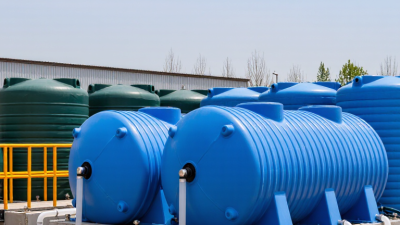
Choosing a liquid storage tank is a practical decision for businesses handling water, chemicals, fuels, food ingredients, or process liquids. The right tank can stabilize supply, reduce delivery interruptions, and support safer daily operations. It also turns limited floor space into measurable storage capacity.

The demand is not theoretical. UNESCO’s United Nations World Water Development Report 2024 states that agriculture uses about 70% of global freshwater withdrawals. This highlights the importance of dependable liquid management across farms, factories, and municipal systems. In the United States, the Environmental Protection Agency’s Spill Prevention, Control, and Countermeasure framework requires qualifying oil-storage facilities to plan for spill prevention and containment. These requirements show why tank design involves more than volume alone.

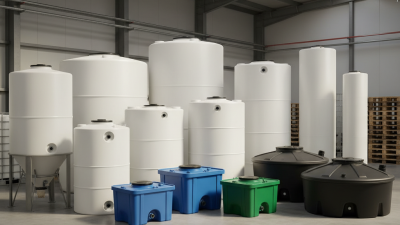
A suitable liquid storage tank should match the stored liquid’s chemistry, temperature, density, and handling frequency. Polyethylene may suit many corrosive or water-based products. Steel can provide strength for demanding industrial applications. Insulation, mixing systems, level sensors, and secondary containment may also improve performance. Small details matter. A poorly placed outlet can complicate cleaning. An undersized access hatch can delay inspection.

No tank is perfect.

Businesses must compare lifecycle cost, maintenance needs, installation conditions, and supplier experience before purchasing. Industry guidance, including ISO 28300 for petroleum and liquid-storage tank venting, reinforces the need for engineered pressure and vapor controls. The strongest choice is not always the largest tank. It is the tank that safely supports operations today while allowing realistic future growth.
Why Choose a Liquid Storage Tank for Your Business?

What Is a Liquid Storage Tank?

A liquid storage tank is an engineered vessel that holds a liquid until it is needed, processed, or moved. In a business setting, that liquid might be water, a food ingredient, or a cleaning solution. The tank’s job sounds simple. Its design is not.

Tanks vary in capacity, shape, material, and placement. A small indoor tank may sit on a reinforced floor, while a larger unit may need a prepared foundation and clear access for inspection. The liquid matters, too: temperature, weight, and chemical properties can affect which materials and fittings are suitable. In practice, even a drain location can influence how easily staff clean or empty the vessel.

Choosing capacity alone can be a mistake. A tank that is too small may interrupt daily operations; one that is oversized can consume useful space and cost more to maintain. Details matter. Businesses should consider how liquid enters and leaves, whether levels need monitoring, and how the tank will be inspected. These questions deserve attention early, although real usage can differ from initial estimates. A practical choice starts with the liquid, the site, and the routine—not just a number on a specification sheet.

Why Choose a Liquid Storage Tank for Your Business?

What Is a Liquid Storage Tank?

A liquid storage tank is a container designed to safely hold water, chemicals, fuel, food-grade liquids, or other fluids. The chart below shows how theoretical storage capacity increases as tank diameter increases, assuming a constant cylindrical tank height of 2 meters.

Calculation basis: Capacity is calculated using the cylinder formula: π × radius² × height. Actual usable capacity may be lower because of freeboard, fittings, internal equipment, safety requirements, and liquid-specific design standards.

How Liquid Storage Tanks Support Business Operations

Why Choose a Liquid Storage Tank for Your Business?

Liquid storage tanks support daily operations by keeping essential materials available, protected, and easier to control. Facilities may store water, food ingredients, agricultural solutions, or approved industrial liquids in dedicated tanks. A properly selected tank reduces delivery interruptions and gives staff clearer inventory visibility. Some operators connect level sensors to maintenance systems. Others use simple gauges and scheduled inspections. Both approaches can work.

Tank design should match the liquid, temperature, capacity, and handling process. Material compatibility matters. A tank that suits water may not suit oils or cleaning solutions. Engineers should review wall strength, fittings, ventilation, access points, and secondary containment before installation. Small details matter here. A poorly placed outlet can slow transfer and complicate cleaning. Regular inspections can reveal sediment, corrosion, seal damage, or inaccurate level readings before they disrupt production.

Good storage also supports safer, more consistent work. Clear labels help prevent transfer errors. Covered openings limit contamination from dust and rain. Temperature monitoring may protect sensitive liquids during seasonal changes. However, storage tanks are not maintenance-free. It is easy to overlook stagnant liquid or assume a sensor remains accurate forever. That assumption needs review. Staff training, inspection records, and emergency procedures should remain part of the operating plan. A practical system leaves room for improvement.

Which Tank Types Suit Different Liquid Storage Needs?

Choosing a liquid storage tank starts with the liquid, not the catalogue. In field inspections, I check concentration, temperature, density, and cleaning routines before discussing capacity. Water, mild chemicals, oils, and food ingredients can behave very differently. A tank that looks economical may swell, corrode, or contaminate contents. Material compatibility matters. So does access. A narrow opening can turn a simple inspection into an awkward, expensive task. Measure the site twice. Mistakes happen.

High-density polyethylene tanks suit many ambient-temperature liquids because they resist corrosion and remain relatively light. They work well where frequent relocation or straightforward installation matters. Stainless steel tanks fit hygienic processes, repeated washing, and temperature-sensitive operations. Their smooth interiors support cleaning, though fabrication quality and weld inspection still deserve attention. Carbon steel tanks can serve large volumes of compatible liquids, especially when structural strength and cost are priorities. They need suitable internal protection when moisture or corrosive contents are present.

Fiberglass-reinforced plastic tanks are useful for selected corrosive liquids and fixed installations. Flexible bladder tanks can help with temporary storage, but folding, puncture risk, and support surfaces require careful control. Double-wall tanks add containment for higher-risk operations, yet they need leak monitoring and planned inspections. I have seen projects focus on tank volume while ignoring pumps, vents, ladders, and truck access. That oversight can delay commissioning. Confirm temperature range, outlet position, foundation loading, and cleaning method before ordering. The “best” tank may still be wrong for your daily workflow.

Why Choose a Liquid Storage Tank for Your Business? - Which Tank Types Suit Different Liquid Storage Needs?

Tank type Common applications Key advantages Important considerations A good fit when…
Vertical atmospheric steel Large-volume storage of water, fuels, and compatible process liquids Suitable for high-capacity installations; can be specified with linings or coatings for particular services Requires a suitable foundation and corrosion-management plan. Not intended for pressurized service unless specifically engineered for it. You need substantial storage capacity and have room for a permanent installation.
Horizontal steel Diesel, fuel oil, water, and other liquids compatible with the tank’s material and lining Compact profile; commonly available for above-ground or below-ground installations Installation requirements differ by location and use. Below-ground tanks need appropriate corrosion protection, leak detection, and regulatory review. A low-profile layout or underground installation suits your site and local requirements.
Polyethylene (PE/HDPE) Water, agricultural liquids, and selected chemicals Lightweight and resistant to corrosion; molded designs can be practical for smaller or medium-sized storage needs Chemical compatibility, operating temperature, sunlight exposure, and structural limits must be checked for the specific tank and liquid. You want a lightweight, corrosion-resistant option for a liquid approved for that tank material.
Fiberglass-reinforced plastic (FRP) Water and selected corrosive or industrial liquids Can offer strong corrosion resistance without relying on a metallic tank wall Resistance depends on the resin system, temperature, concentration, and exposure conditions. Verify chemical compatibility with the tank manufacturer. Corrosion resistance is a priority and the liquid is compatible with the specified resin system.
Stainless steel Food and beverage ingredients, clean water, and selected process liquids Smooth, cleanable surfaces and good corrosion resistance in suitable service conditions The stainless grade must suit the liquid and cleaning process; stainless steel is not resistant to every chemical or environment. Cleanability or product-contact requirements make a suitable stainless grade appropriate.
Double-wall / secondary-containment tank Fuels, oils, and other regulated or spill-sensitive liquids An outer containment wall can help capture leaks from the primary tank, depending on design and installation. Containment capacity, leak monitoring, inspection access, and applicable regulations should be confirmed for the installation. Reducing spill risk is important or secondary containment is required.

Selection note: Confirm liquid compatibility, capacity, temperature and pressure limits, installation conditions, and applicable local codes with a qualified tank supplier or engineer. The descriptions above are general guidance; specifications vary by design.

Key Factors for Choosing the Right Storage Tank

Why Choose a Liquid Storage Tank for Your Business?

Key Factors for Choosing the Right Storage Tank

Choosing a storage tank starts with the liquid, not the tank’s appearance. Check its chemical properties, viscosity, and operating temperature. These details help determine suitable tank materials, seals, and fittings. A liquid that seems harmless can still damage an incompatible liner over time. Ask a qualified supplier to review the liquid’s safety data and intended storage conditions.

Capacity needs careful planning. Estimate normal use, delivery intervals, and room for expansion without filling the tank to its limit. A small buffer helps manage uneven deliveries. Measure the installation area, including doorways, service access, and the route for delivery equipment. That last detail is easy to overlook. A tank may fit on a drawing but prove awkward to install or inspect.

Consider cleaning, drainage, and routine maintenance before choosing a design. Look for accessible inspection points, practical outlet placement, and surfaces that suit the required cleaning process. Outdoor tanks may need protection from weather and temperature changes; indoor tanks still require adequate ventilation and clear access. Think about secondary containment and leak detection based on the liquid and site conditions. Specifications can look reassuring, yet real sites are rarely perfectly level or spacious. Have the proposed layout checked on site, and revisit your assumptions before committing.

How to Install, Maintain, and Safely Use a Storage Tank

Why Choose a Liquid Storage Tank for Your Business?

How to Install, Maintain, and Safely Use a Storage Tank

A reliable tank begins with a site check. Confirm that the ground is level, firm, and designed to support the tank when full. Have a qualified installer check load limits, anchoring, access for inspections, and compatibility between the tank material and stored liquid. Include suitable vents, overflow protection, and secondary containment in the design. Keep delivery and emergency access clear. Small details matter.

Set written inspection intervals before filling the tank. Check seams, supports, valves, hoses, and seals for leaks, corrosion, or movement; record findings and repairs. Even a neat log can hide a recurring issue if nobody reviews it. The U.S. Bureau of Labor Statistics reported 5,283 fatal work injuries across all industries in 2023; this figure is not tank-specific, but it reinforces the value of practical safety controls (Census of Fatal Occupational Injuries, 2023). Train staff to follow filling limits, label contents clearly, and keep unauthorized people away. Never enter a tank without a confined-space assessment, atmospheric testing, trained personnel, and a rescue plan. A checklist helps, but it cannot replace sound judgment.