How to Choose the Best Poly Tanks for Your Needs?
When selecting the best poly tanks for your needs, the choices can be overwhelming. "Poly tanks are versatile and durable options for water storage," says John Smith, a leading expert in the poly tank industry. He emphasizes the importance of understanding your specific requirements before making a purchase.
Poly tanks come in various sizes and materials. Choosing the right one can impact water quality and overall functionality. Consider factors like capacity, durability, and intended use. If you overlook any aspect, it could lead to issues down the line.
In this guide, we’ll explore essential criteria for selecting poly tanks. By considering expert opinions and reflecting on practical needs, you can make better decisions. The right poly tank should serve you effectively for years to come.
Understanding the Different Types of Poly Tanks Available
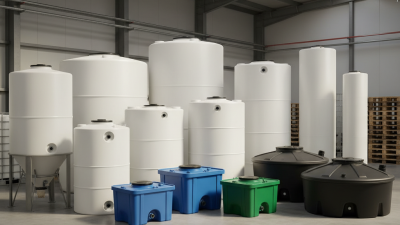
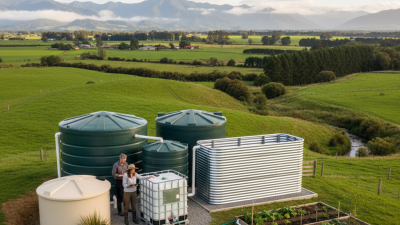
When choosing a poly tank, it’s essential to understand the various types available. Polyethylene tanks come in many shapes and sizes. Some are designed for water storage, while others are tailored for chemicals. For instance, vertical tanks often maximize floor space. They work well in tight areas. Horizontal tanks provide a lower profile. They are easier to transport.
Consider the material quality. Some tanks meet stringent standards for storing food and water. Others are made for industrial use. Pay attention to UV resistance. Exposure can lead to degradation over time. Also, think about the tank’s capacity. Larger tanks suit agricultural needs. Smaller ones are sufficient for home use.
Location matters as well. Place your tank where it can be easily accessed. Think about compatibility with existing systems. Look for features like outlet sizes and inlet placement. Sometimes, manufacturers provide general guidelines. But these may not address specific needs. It's worth doing additional research or consulting with experts. This ensures you select the right poly tank for your application.
Assessing Your Storage Capacity Requirements for Poly Tanks
When assessing your storage capacity requirements for poly tanks, start by evaluating your specific needs. Consider the type of liquids you plan to store. Is it water, chemicals, or agricultural inputs? Each substance has different volume requirements. For instance, a small garden may only need a 500-gallon tank, while larger farms may require 10,000 gallons or more.
Think about future growth. If you expand your operations, your storage needs will also increase. Also, consider the physical space available for the tank. The dimensions of your property and local zoning regulations can impact your choice. It’s wise to measure the area where the tank will be placed.
Another point to reflect on is the maintenance aspect. Larger tanks may require more upkeep and monitoring. Ask yourself if you’re prepared for that responsibility. Storage tanks come in various shapes and materials, each with their advantages and drawbacks. Understanding your long-term goals will help you make a more informed decision.
Evaluating Material Quality and Durability in Poly Tanks
When selecting poly tanks, the quality and durability of materials are paramount. Polyethylene is the most common material used for tanks due to its resistance to UV rays and corrosion. Reports from industry studies indicate that high-density polyethylene (HDPE) offers superior strength, making it ideal for various applications. It's crucial to analyze the thickness of the tank walls, as thicker walls enhance durability against impacts and environmental factors.
Inspecting the manufacturing process adds another layer of assurance. Tanks produced through rotational molding tend to have a more uniform appearance and robust structure. Data shows that tanks from this process often last longer than those from injection molding. However, even among seemingly well-constructed tanks, you may find subtle imperfections that could impact performance.
Tips: Check for certifications, like NSF or FDA, that affirm quality standards. Always look for user reviews focusing on long-term experiences. Remember, a seemingly minor crack or flaw could lead to significant issues down the road. Consider your specific needs, like storage capacity. Finding the right balance between price and durability is essential.
Considering Tank Size and Shape for Your Space and Use
When selecting poly tanks, size and shape are critical considerations. The available space and intended use can greatly influence your choice. For instance, a report from the American Tank Association indicates that tank capacity significantly affects efficiency and operational viability. Choosing an appropriately sized tank can optimize water storage and reduce the need for frequent refills.
Poly tanks come in various shapes, including vertical and horizontal designs. Vertical tanks are ideal for tighter spaces, maximizing vertical height. A study suggests that about 75% of users prefer vertical tanks for small properties. Horizontal tanks, on the other hand, can be excellent for larger areas or applications requiring easy access. The shape can impact the tank's stability and accessibility for maintenance.
It’s also essential to assess the tank’s weight when full. This factor can affect placement and support structures. If the tank is too heavy for existing supports, you may face issues later. Understanding the environmental factors, like temperature fluctuations, is crucial. Certain tank shapes may perform better under specific conditions, influencing long-term usability and durability. Not all tanks are created equal in this regard.
Exploring Optional Features and Accessories for Poly Tanks
When selecting poly tanks, optional features and accessories can enhance effectiveness and functionality. For example, built-in level indicators provide vital information. They help monitor fluid levels accurately. Research indicates that 70% of users prefer tanks equipped with such features for precise management.
Another consideration is UV protection. Tanks treated with UV inhibitors resist degradation. This is crucial for outdoor storage, as exposure can weaken the material over time. Industry reports highlight that poly tanks with added UV resistance show a 30% increase in durability.
Tips: Always assess your specific requirements before purchasing. For a more customized solution, consider adding filtration systems directly to the tank. These systems ensure clean liquid and prevent contamination. Regular maintenance is essential to maximize tank lifespan and functional stability.
Incorporating these features can significantly increase a poly tank's overall value and utility. However, not all tanks need every option. Strike a balance between necessity and cost-effectiveness. Evaluate what works best for your application.
Comparison of Poly Tank Capacities and Features
This chart illustrates the weight and cost associated with different poly tank capacities. The data helps in evaluating which poly tank features align best with your needs based on weight and budget considerations.