Top Tips for Choosing the Best Poly Tanks for Your Needs?
Choosing the right poly tanks can significantly impact your water storage solutions. With numerous options available, it becomes vital to understand what suits your specific needs best. Poly tanks are versatile and durable, making them ideal for various applications, from agricultural use to residential water collection.
When selecting poly tanks, consider factors such as size, shape, and capacity. Additionally, pay attention to the quality of materials used. Not all poly tanks are created equal. Some may degrade quickly under sunlight, while others withstand extreme weather conditions. It's essential to evaluate these aspects to ensure longevity and reliability.
Ultimately, the decision-making process can be overwhelming. You might find yourself questioning which tank truly serves your requirements. Engage with experts and seek reviews to gain insight. Sometimes, initial choices might not yield the best results, leading to the need for reassessment. By remaining informed and thoughtful about your purchase, you can select the best poly tanks for your needs.
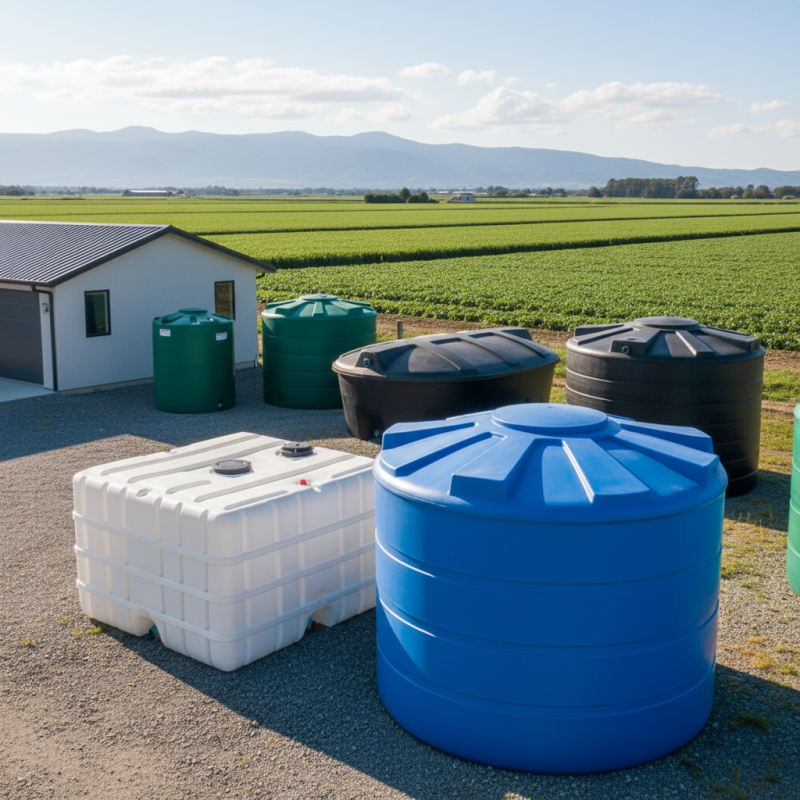
Understanding Poly Tanks: Types and Materials
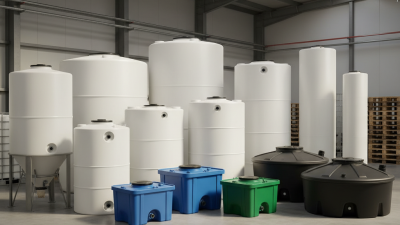
Poly tanks come in various types and materials, each serving distinct needs. Generally, polyethylene tanks are widely used due to their durability and resistance to chemicals. One study from the Plastics Industry Association indicates that polyethylene can withstand temperatures from -40°F to 120°F, making it suitable for multiple applications. However, not all polyethylene is created equal. For instance, cross-linked polyethylene (PEX) offers superior strength but may lack flexibility.
When selecting a poly tank, consider the specific requirements. A critical tip is to evaluate the tank's capacity based on your usage. Tanks ranging from 50 to 10,000 gallons cater to different needs, so understanding your storage needs is vital. Another suggestion is to assess the UV resistance of the material. This is essential if the tank will be exposed to sunlight. Poor UV resistance can lead to degradation over time. A report by the American Water Works Association notes that poorly maintained tanks can lose up to 25% of their lifespan.
In addition, pay attention to the tank's wall thickness. Thicker walls generally provide better impact resistance. This is particularly relevant in areas with extreme weather conditions. Take the time to explore how the material interacts with the stored contents. For example, some materials might leach chemicals into the water if not properly rated. Collecting this information can greatly improve your choice.
Comparison of Poly Tank Types and Materials
Key Factors to Consider When Selecting a Poly Tank
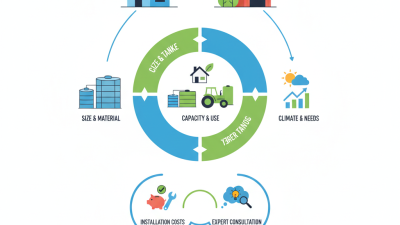
When selecting a poly tank, several key factors come into play. The material quality is paramount. High-density polyethylene (HDPE) is widely recognized for its durability and resistance to UV radiation. According to industry reports, choosing HDPE can extend the lifespan of the tank by up to 30%. This is critical, especially in harsh climates.
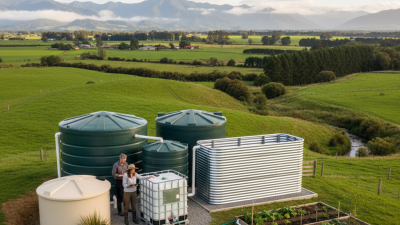
The size and capacity of the tank also matter significantly. Assess your storage needs based on usage. For instance, a rancher may need larger tanks for livestock, while a homeowner might require smaller units for garden irrigation. Experts recommend calculating your daily water consumption. A detailed analysis can prevent future shortages and overflows.
Another often overlooked factor is the tank's design. A well-designed tank can enhance water flow and minimize sediment buildup. Look for tanks with a conical bottom or a flat base for easy cleaning. Research indicates that regular maintenance can improve tank efficiency by as much as 25%. Choosing wisely now can save you time and money in the long run.
Top Tips for Choosing the Best Poly Tanks for Your Needs
| Factor |
Consideration |
Importance Level |
| Material Quality |
Ensure it’s UV resistant and durable |
High |
| Capacity |
Choose suitable size based on usage |
Medium |
| Shape |
Consider space availability for installation |
Medium |
| Purpose |
Identify if for storage, transport, or other uses |
High |
| Accessibility |
Ensure easy access for filling and cleaning |
Medium |
| Regulatory Compliance |
Check if it meets local regulations |
High |
Assessing Size and Capacity Requirements for Your Applications
When selecting poly tanks, size and capacity are crucial. Assess your specific usage needs before making a decision. For example, if you need to store water for irrigation, consider the volume of your garden.
A 500-gallon tank might suffice for smaller patches, while larger farms may need 2,000 gallons or more. Think about where you will place the tank. Space constraints can significantly influence your choice.
Consider the frequency of your operations. If you need water frequently, a larger capacity tank could save time. But if your needs are occasional, smaller tanks might be more efficient. Visualize how much liquid you regularly utilize. Be honest about your consumption to avoid unnecessary expenses.
Don’t overlook future growth. If your requirements are likely to increase, invest in a larger tank now to avoid replacements later. Check the site's water supply. Is it consistent? If not, think ahead. A tank that is too large without adequate water supply isn’t practical.
Reflect on maintenance aspects as well. Larger tanks often require more upkeep. Ultimately, make choices that fit not just today’s needs, but also tomorrow’s. It’s about balancing current demands with future possibilities.
Evaluating Durability and Resistance Features in Poly Tanks
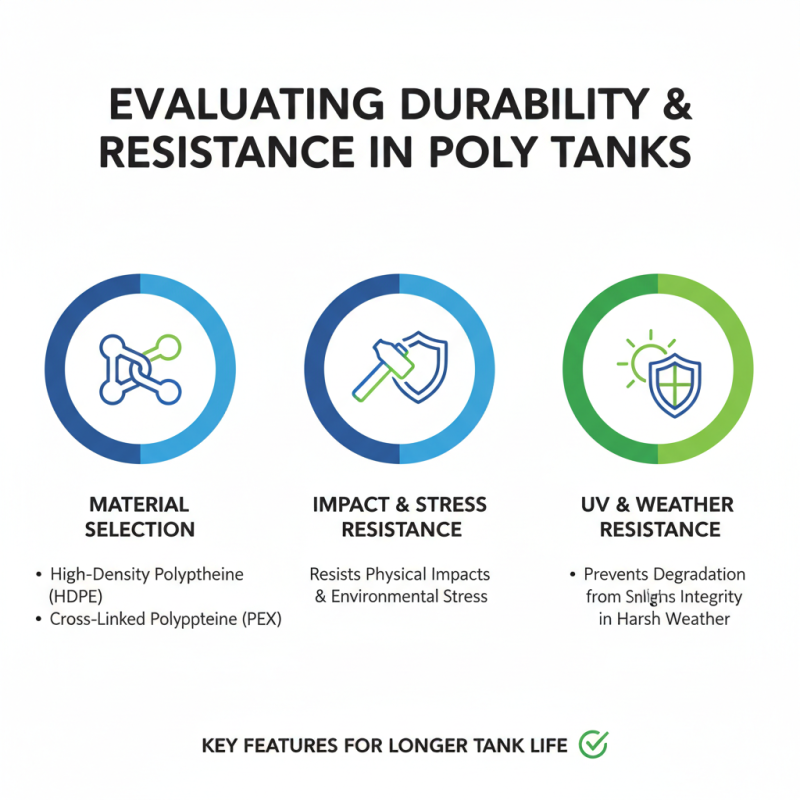
When choosing poly tanks, durability and resistance features should be top priorities. Look for high-density polyethylene (HDPE) or cross-linked polyethylene (PEX) materials. These materials resist impacts and environmental stress. UV resistance is crucial; tanks exposed to sunlight can degrade over time, leading to leaks. A good tank should maintain integrity even in harsh weather.
Inspect the thickness of the tank walls. A thicker design usually indicates better durability but can also affect weight and transportability. Check for features like reinforced corners and impact-resistant designs, which add to longevity. However, not all thick tanks are the same. Some may be heavy yet fragile, requiring careful handling.
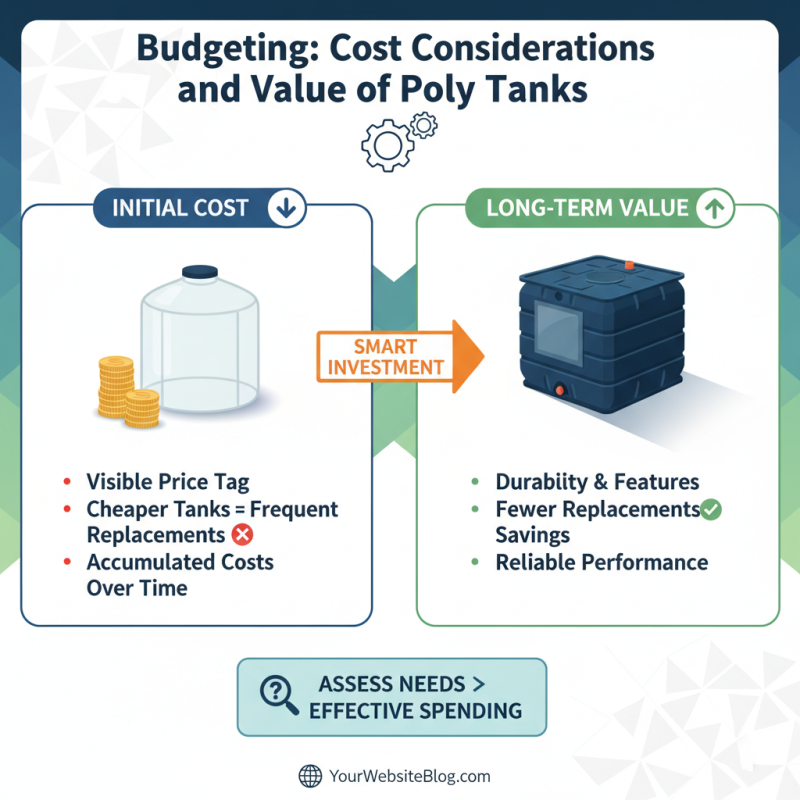
Resistance to chemicals is another key aspect. If the tank will store liquids, ensure it can handle the specific substances without degrading. Some tanks are not suitable for certain chemicals, leading to potential leaks or contamination. It’s essential to consider these factors to avoid costly replacements and ensure safety. A little research and careful consideration can lead to a well-informed decision.