

Why Choose Plastic Storage Tanks for Global Buyers?
Why Choose Plastic Storage Tanks for Global Buyers?
For global buyers, plastic storage tanks offer a practical balance between durability, weight, and installation flexibility. High-density polyethylene tanks resist rust, unlike many steel alternatives exposed to rain, salt air, or aggressive chemicals. Their lighter structure can also reduce transport costs and simplify placement at remote facilities. That matters when a tank must travel by truck, ship, or narrow rural road.
Dr. Michael Turner, a polymer-storage engineer with experience in industrial tank projects, states, “Reliable storage begins with choosing the right material for the actual service.” His point deserves attention. A tank for drinking water needs different considerations from one handling fertilizer, wastewater, or cleaning chemicals. Buyers should examine chemical compatibility, wall thickness, UV protection, fittings, and local installation conditions. A low price can become expensive if the design ignores heat, pressure, or uneven ground.
The strongest case for plastic storage tanks is their adaptable performance. Rotationally molded designs can provide seamless construction, reducing common leak points. Many models include reinforced bases, translucent walls, and level indicators, making daily inspection easier. Still, plastic is not perfect. Extreme heat, poor anchoring, or unsuitable chemicals may shorten service life. Global buyers should request technical data, test documentation, and clear warranty terms from established manufacturers. Independent inspection may also be worthwhile.
Small details matter. A reliable tank is more than a container. It is part of a safer, cleaner, and more efficient storage system.
What Are Plastic Storage Tanks?
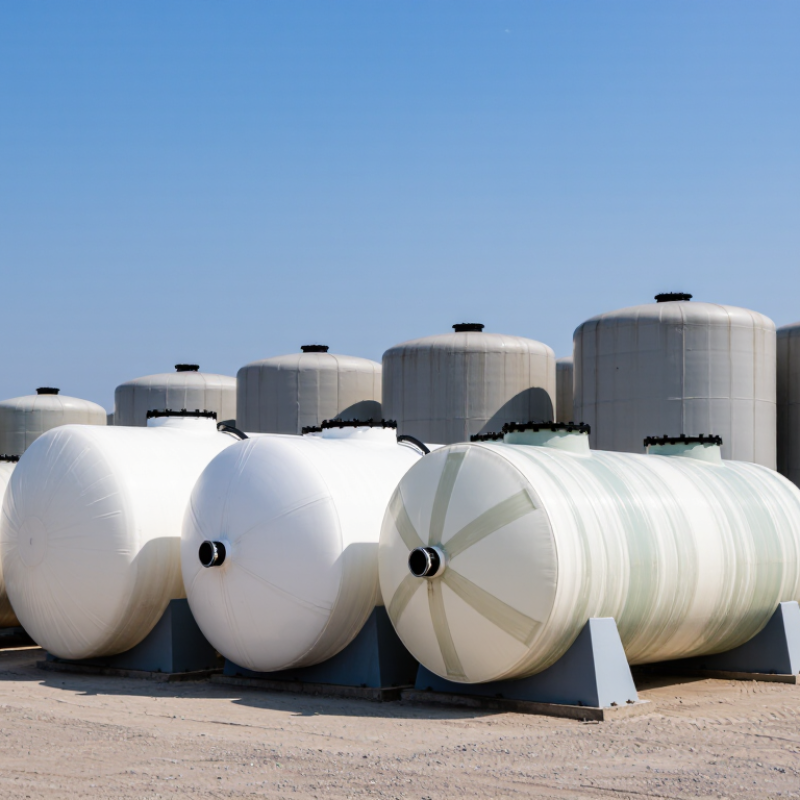
Plastic storage tanks are engineered containers made mainly from high-density polyethylene (HDPE) or linear low-density polyethylene (LLDPE). Many are produced through rotational molding, which forms a single-piece tank body with no welded seams. This design helps reduce leak points during transport, installation, and daily use. Tanks may store potable water, rainwater, chemicals, agricultural liquids, or industrial process fluids. The correct material depends on temperature, density, chemical compatibility, and local approval requirements.
A practical tank has more than a large hollow body. It may include a fitted lid, inlet, outlet, overflow pipe, level indicator, and reinforced base. A 2022 OECD report estimated global plastic waste at 353 million tonnes in 2019, highlighting why buyers should examine service life and end-of-life handling. Durable tanks can reduce replacement frequency, but durability is not automatic. Ultraviolet exposure, poor support, and overfilling can shorten performance.
For drinking-water applications, buyers should request food-contact documentation and independent test results. The World Health Organization’s Guidelines for Drinking-water Quality stress that materials contacting water should not compromise its safety. That detail matters. A tank may look strong but still be unsuitable for drinking water. UNEP reported in 2023 that better product design, reuse, and recycling could reduce global plastic pollution by 80% by 2040. Buyers should therefore confirm recycled-content claims, recyclability, wall thickness, warranty limits, and disposal options. I would not rely on appearance alone.
Why Choose Plastic Storage Tanks for Global Buyers? - What Are Plastic Storage Tanks?
| Data Dimension | Typical Information | Why It Matters to Global Buyers |
|---|---|---|
| Definition | Plastic storage tanks are containers made mainly from polyethylene or other engineered plastics for storing liquids and, in selected designs, dry bulk materials. | They provide a lightweight alternative to many metal or concrete storage systems. |
| Common Materials | High-density polyethylene (HDPE), linear low-density polyethylene (LLDPE), polypropylene (PP), fiberglass-reinforced plastic (FRP), and PVC in specific applications. | Material selection can be matched to the liquid, temperature, installation environment, and required mechanical strength. |
| Typical Manufacturing Methods | Rotational molding is widely used for seamless polyethylene tanks; other tanks may be fabricated, molded, or laminated depending on the material and design. | Seamless construction can reduce potential leak points and support consistent production for different markets. |
| Typical Capacity Range | Common commercial sizes range from approximately 100 liters to more than 50,000 liters; available sizes vary by tank type and application. | Buyers can select a size suitable for household, agricultural, industrial, chemical, or water-treatment requirements. |
| Operating Pressure | Most standard polyethylene storage tanks are atmospheric tanks and are not designed to hold internal pressure or vacuum unless specifically engineered and certified for it. | Correct pressure classification is essential for safe selection, installation, and regulatory compliance. |
| Chemical Resistance | Polyethylene generally resists water, many dilute acids, alkalis, salts, and numerous aqueous chemicals, but compatibility depends on concentration, temperature, and exposure time. | A chemical-compatibility review helps prevent swelling, cracking, permeation, or premature material failure. |
| Temperature Suitability | Many polyethylene tanks are used for ambient-temperature service; allowable temperature limits depend on resin, tank design, chemical contents, and operating conditions. | Temperature limits must be confirmed before storing hot liquids or chemicals with elevated service temperatures. |
| Weight and Handling | Plastic tanks are generally lighter than steel or concrete tanks of comparable capacity, although the exact weight depends on the material, wall thickness, fittings, and reinforcement. | Lower empty weight can simplify transport, positioning, and installation, subject to proper lifting procedures. |
| Corrosion Performance | Polyethylene and many other plastics do not rust and are not subject to electrochemical corrosion in the same way as unprotected steel. | This can reduce corrosion-related maintenance when the tank material is compatible with the stored product. |
| UV and Outdoor Use | Outdoor tanks should be manufactured with suitable UV stabilization or protected from prolonged ultraviolet exposure according to the design specification. | UV protection can help reduce weathering, discoloration, embrittlement, and service-life loss. |
| Maintenance Requirements | Routine inspection should cover the tank body, fittings, supports, vents, outlets, level indicators, and signs of deformation or chemical damage. | Regular inspection supports safe operation and helps identify problems before leakage or structural damage occurs. |
| Common Applications | Potable and non-potable water, rainwater, irrigation, wastewater, fertilizers, selected chemicals, food-processing liquids, and industrial process fluids. | Application flexibility makes plastic tanks suitable for residential, agricultural, commercial, and industrial projects. |
| Installation Surface | The tank should be installed on a stable, level, adequately supported surface designed for the full operating weight, including the stored liquid. | Proper support helps prevent excessive deformation, stress on fittings, and premature failure. |
| Recyclability | Some thermoplastic tanks can be recycled at the end of their service life, subject to material identification, local collection systems, and contamination controls. | End-of-life planning can support responsible procurement and local environmental requirements. |
| Key Purchasing Checks | Confirm capacity, dimensions, material grade, chemical compatibility, temperature range, pressure rating, UV protection, fittings, certifications, delivery requirements, and local installation rules. | A complete technical review helps global buyers avoid selecting a tank that is unsuitable for the stored product or operating conditions. |
Note: Specifications are typical industry guidance. Final suitability should be confirmed using the tank manufacturer's technical data, chemical-compatibility documentation, applicable standards, and local regulations.
Related Posts
-
China Top 10 Poly Storage Tank Suppliers?
-
China Best Poly Storage Tanks for Sustainable Solutions?
-
How to Choose the Best Poly Tanks for Your Needs?
-
2026 Best Types of Storage Tanks for Global Buyers
-
Top RX Plastics Tanks for Global Buyers?
-

The Ultimate Guide to Choosing the Best Plastic Storage Tanks for Your Needs