Reliable water storage is a practical concern for farms, factories, construction sites, and homes. The need is not abstract. The 2023 UN World Water Development Report, drawing on WHO and UNICEF monitoring, reported that 2.2 billion people lacked safely managed drinking-water services in 2022. This figure describes a global access gap, not demand for plastic water storage tanks in China. Still, it helps explain why dependable storage deserves careful attention.
Choosing a supplier takes more than comparing prices. Buyers should check tank capacity, resin specifications, wall thickness, UV resistance, fittings, and quality-control records. For potable-water use, request documentation showing that materials are suitable for contact with drinking water. The World Health Organization’s Guidelines for Drinking-water Quality also emphasize protecting water from contamination during storage and handling. A strong tank cannot compensate for poor cleaning or an exposed, unsealed inlet.
China has manufacturers serving varied needs, from compact rooftop units to large industrial tanks. Yet supplier claims can sound alike. Ask for recent production photos, inspection records, warranty terms, and references for comparable projects. If possible, review a sample or arrange an independent inspection before shipment. Small details matter: a poorly fitted outlet can cause leaks, while unclear delivery terms can disrupt installation. This guide compares leading Chinese suppliers and the evidence buyers should examine. No list can replace project-specific checks, and supplier information may change; that limitation is worth keeping in mind.
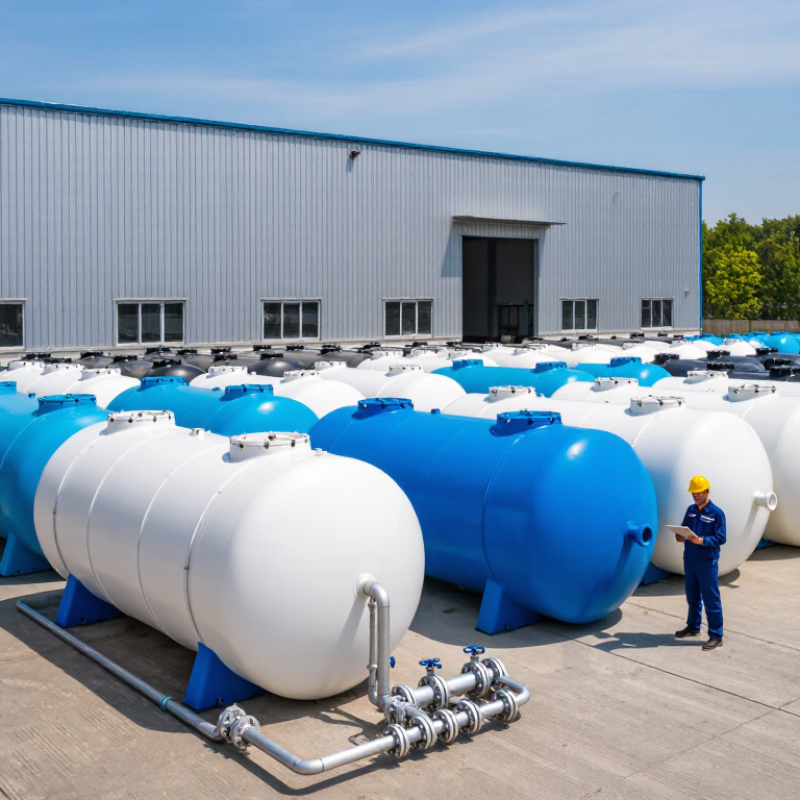
Plastic water storage tanks hold water for homes, farms, workshops, and emergency reserves. Many are made from polyethylene, a lightweight material that resists corrosion and is easy to shape. Common uses include collecting rainwater, storing irrigation water, and keeping a supply on hand where plumbing is limited. Not every tank is suitable for drinking water. Check that the materials and fittings are specified for potable water before using it that way.
Capacity is only one part of choosing a tank. Consider where it will sit, how water will enter and leave, and whether the base is flat and strong enough to support a full tank. A 1,000-liter tank holds roughly one metric ton of water, so a weak platform is a real concern.
Look for a secure lid, screened vents, and accessible outlets; these details help limit debris and make routine cleaning easier. Dark or UV-resistant materials can reduce sunlight exposure, though conditions and product design vary. A tank may look sturdy and still be poorly matched to its site. That is easy to miss. Check temperature limits, installation guidance, and cleaning instructions before filling it, then inspect seams and fittings periodically for leaks or wear.
Chinese manufacturers commonly offer rotationally molded polyethylene tanks, often made from linear low-density polyethylene or high-density polyethylene. Material choice affects flexibility, impact resistance, and performance in sunlight. Ask for the resin specification, wall-thickness range, and any UV-stabilizer details. A material name alone tells you little.
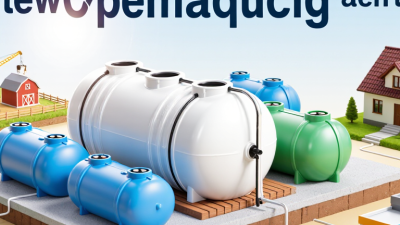
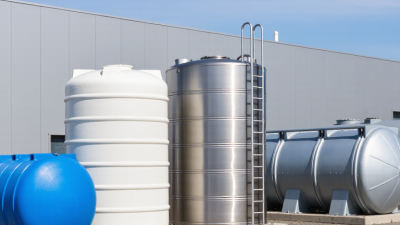
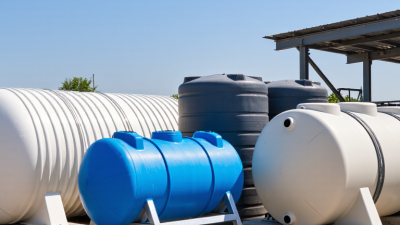
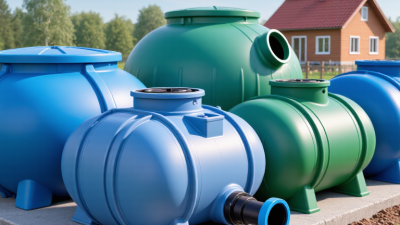
Designs include upright cylindrical tanks for compact footprints, horizontal tanks for vehicle or low-clearance installations, and rectangular models for tighter spaces. Look closely at fittings, lids, outlet placement, and support requirements. A tank may look sturdy in a catalog but still need a level, load-bearing base. Capacity and dimensions should match the actual site, not just the planned volume.
Tips: Request a technical drawing and confirm usable capacity, not only nominal capacity. Ask how the tank is inspected for leaks and wall consistency. For outdoor use, check UV protection and installation guidance. Small details matter. And specifications can vary between production runs, so verify the exact model before ordering.
Top Plastic Water Storage Tank Suppliers in China?
Key Criteria for Evaluating Plastic Water Tank Suppliers
Choosing a supplier takes more than comparing tank prices. Start with the intended use: drinking water, irrigation, or industrial storage. Ask what resin is used and whether it is suitable for that application. Request material documentation and test records, not just verbal assurances. Details matter. For outdoor tanks, check how the design addresses ultraviolet exposure and temperature changes.
Inspect product specifications closely. Confirm capacity, dimensions, wall thickness, inlet and outlet positions, and fitting sizes. Ask how the supplier checks for leaks and uneven wall thickness during production. A polished sample can still hide variations between batches. Ask for photographs or inspection records from recent production runs, and consider arranging an independent inspection for a large order. It may feel excessive, but repairs after delivery are harder.
Communication is part of quality. Notice whether the supplier answers technical questions clearly and provides installation and maintenance guidance. Check warranty terms, spare-part availability, packaging, and shipping schedules in writing. For potable-water use, verify that materials and documentation meet the requirements where the tank will be installed. A low quote can leave out important items, such as fittings or export packaging. Compare complete quotations, and leave time to clarify details before paying a deposit.
Leading plastic water storage tank suppliers in China should be judged by more than catalogue size or quoted price. Check whether the tank is made from suitable polyethylene and whether the supplier can explain its molding process, wall thickness, and UV protection. These details affect how a tank handles outdoor exposure, changing temperatures, and repeated use. Ask for drawings showing inlet, outlet, and access points. Small fitting differences can complicate installation.
Request product specifications, inspection records, and clear capacity tolerances. A credible supplier should explain how it checks finished tanks, including surface defects and dimensions. Ask whether a sample or factory video call is available.
Details matter.
Also confirm packaging, lead times, spare fittings, and how damage claims are handled. These questions can reveal gaps that a polished brochure will not. A low price may still be attractive, but compare equivalent tank sizes and material specifications before deciding. Supplier claims should be checked against documents, not assumed. Even a careful review has limits; written assurances do not replace inspection of the actual production batch.
When comparing plastic water storage tank suppliers in China, ask which product standard and test method apply to your intended use. Requirements may differ for potable water, process water, and outdoor storage. Request material declarations, relevant contact-water documentation, UV-resistance details, and leak-test records. Check wall thickness at several points, not only at the tank rim. Details matter. A supplier should explain how these checks are performed and recorded.
Customization should start with a site drawing. Confirm capacity, footprint, access openings, inlet and outlet positions, venting, and installation clearance. For side outlets, ask how the surrounding wall is reinforced. Specify fitting materials, thread type, and dimensional tolerances in writing. Custom colors or molds can affect cost and lead time. Not always obvious. Review a production drawing before approval; a small outlet-position error can complicate piping later.
Procurement comparisons should include packaging, shipping terms, inspection scope, and warranty exclusions, not just the unit price. Ask how batches are identified and what happens if a tank arrives damaged or fails a leak check. Photos help, but they do not replace a defined inspection plan. A careful specification still cannot capture every site condition, so confirm support requirements with the installer before ordering.
A practical, brand-neutral checklist for comparing suppliers of plastic water storage tanks. Requirements vary by tank design, intended use, destination market, and local regulations.
| Evaluation Dimension | What to Check | Typical Options or Evidence | Procurement Consideration |
|---|---|---|---|
| Tank material | Confirm the resin type, grade, and suitability for the stored water and operating environment. | Rotomolded tanks commonly use polyethylene (PE); some applications use polypropylene (PP). Ask for the material specification and any relevant test reports. | Do not assume that a general-purpose resin is suitable for drinking-water contact. Verify the exact material and intended-use scope. |
| Product standard | Ask which product or testing standard applies to the specific tank design and sales market. | ASTM D1998 covers polyethylene upright storage tanks within its stated scope. Applicability depends on tank type, dimensions, and intended service. | Request the standard edition, test scope, and evidence that the offered model—not merely a similar product—was evaluated. |
| Drinking-water contact | Check whether the tank and all wetted components meet the destination market’s drinking-water requirements. | For China, ask whether GB/T 17219-2021 or other applicable national and local requirements are relevant. For some export markets, NSF/ANSI/CAN 61 certification may be requested. | Confirm the exact model, material, color, fittings, and certification scope. A standard reference alone is not proof of certification or regulatory approval. |
| Capacity and dimensions | Compare usable capacity, overall dimensions, access openings, and installation clearances. | Available capacities and shapes depend on the manufacturer’s tooling and product range; options may include vertical, horizontal, and rectangular designs. | Specify whether the quoted volume is nominal or usable. Check door access, foundation size, transport limits, and clearance for maintenance. |
| Customization | Document requested changes before requesting a quotation or sample. | Common requests include inlet and outlet locations, threaded or flanged connections, level indicators, access covers, overflow outlets, and color options. | Ask for a dimensioned drawing showing connection sizes, locations, tolerances, and reinforcement details. Confirm whether changes affect tooling, price, or lead time. |
| Design and performance | Review wall construction, support requirements, operating conditions, and the manufacturer’s installation guidance. | Request drawings, rated capacity, material data, applicable temperature limits, and any available leak, impact, or load-test results. | Performance depends on tank geometry, resin, manufacturing process, temperature, and support conditions. Avoid comparing tanks by capacity alone. |
| Quality documentation | Assess the supplier’s quality-control process and the traceability of production batches. | Useful records may include an inspection plan, material certificates, dimensional checks, leak-test records, and a quality-management certificate such as ISO 9001. | ISO 9001 relates to a quality-management system; it does not by itself certify a tank’s material, drinking-water suitability, or performance. |
| Sampling and inspection | Agree how samples, pre-shipment checks, and nonconforming products will be handled. | Inspection points can include appearance, dimensions, fittings, identification marks, packaging, and agreed performance tests. | Put acceptance criteria, inspection timing, sampling method, and corrective-action responsibilities in the purchase contract. |
| Packaging and shipping | Confirm packaging, loading method, shipping dimensions, and protection of fittings and tank surfaces. | Request packing details and shipment measurements for the selected tank configuration and quantity. | Large tanks can be constrained by container dimensions and freight costs. Confirm loading feasibility and delivery terms before placing the order. |
| Quotation and after-sales terms | Compare like-for-like quotations and clarify responsibilities after delivery. | Request itemized pricing, minimum order quantity, production lead time, warranty terms, spare-part availability, and technical support details. | Ensure the quotation identifies the exact model, material, accessories, documentation, packaging, and delivery conditions. |
Note: Standards and certification requirements can change and may differ by application and destination. Verify current requirements with the relevant authorities or an accredited conformity-assessment body, and obtain model-specific documentation from the supplier before purchase.