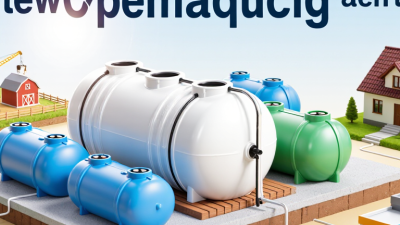
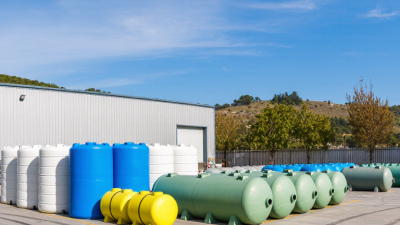
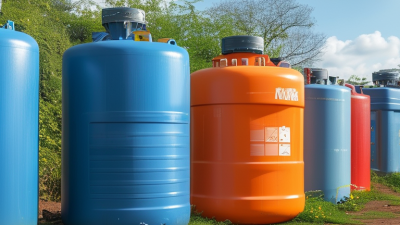
Choosing the right plastic water storage tanks starts with a simple question: what will the water be used for? Drinking water, irrigation, and emergency reserves place different demands on a tank. Capacity matters, but so do material quality, installation conditions, and access for cleaning. A large tank is not automatically the right tank.
Water-resource expert Dr. Peter H. Gleick has said, “Water is the most critical resource issue of our lifetime and our children’s lifetime.” That perspective makes storage decisions worth careful thought. For a household, check that the tank is explicitly rated for potable water if drinking water will be stored. For outdoor use, ask the manufacturer about UV resistance, expected service life, and suitable foundations. Look closely at fittings, lids, and overflow points. Small details matter.
There is no universal best choice. A tank that works well in a shaded garden may struggle under strong sun or on uneven ground. Compare product specifications, warranties, cleaning access, and delivery requirements before deciding. Ask the supplier how the stated capacity is measured; usable volume can differ from the headline figure. And be honest about maintenance. A tank that is difficult to inspect may be neglected, even with good intentions. The sections below explain how to weigh these practical factors and choose a tank that suits your site, water, and daily needs.
Start with the water. Identify who will use it and for what: drinking, cooking, garden irrigation, or livestock. These uses have different daily demands and water-quality requirements. For a household, note typical use over several days, then consider how many days the tank should cover. A garden may need more water during hot, dry weeks than during mild weather. Include the refill schedule, too. A tank that suits a reliable well may not suit a site where deliveries are occasional.
Estimate the volume before comparing tank dimensions. Then check usable capacity, since water below the outlet may not be accessible. This estimate is not perfect; seasonal habits and leaks can change demand. Keep it practical. If people will drink the stored water, choose a tank specifically rated for potable water and plan for cleaning access.
For irrigation, consider whether the outlet and fittings can supply the expected flow. Measure the installation area, including room for pipes, a secure base, and overflow drainage. Sun exposure matters: a shaded position can help limit water heating and algae growth in translucent tanks. A tight access path may also make a large tank difficult to install or maintain.
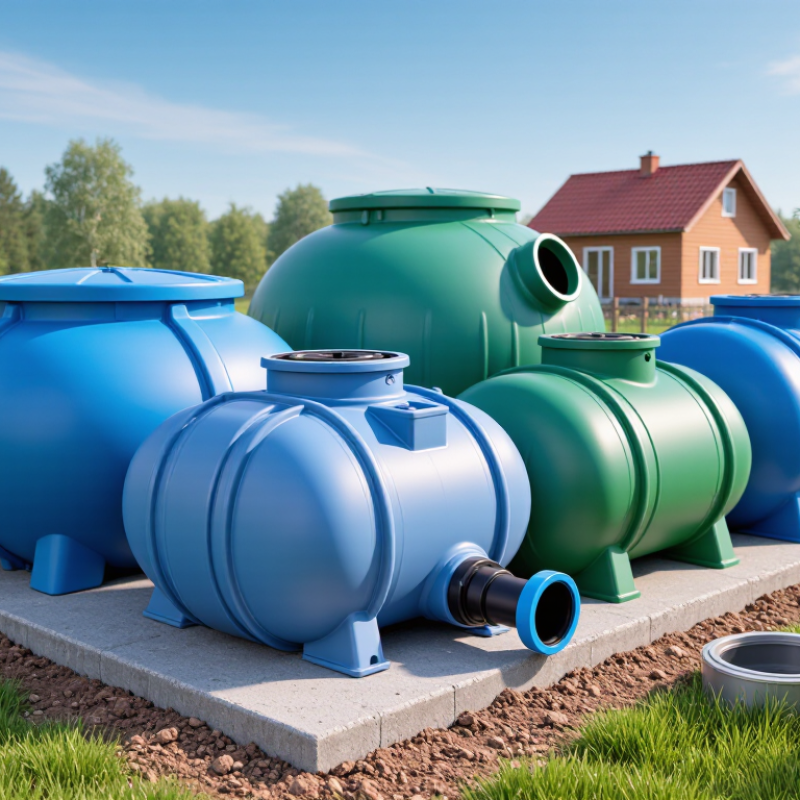
Plastic water tanks differ in material, wall structure, and intended use. Polyethylene is lightweight and resists corrosion, making it practical for many outdoor installations. Check whether the specific tank is documented as suitable for drinking water if that is your use. Sunlight matters: UV-stabilized, opaque walls help limit material degradation and discourage algae growth. Fiberglass-reinforced plastic can offer added stiffness, but its weight and repair needs may differ. No material is ideal for every site.
Construction details deserve a close look. A seamless, rotationally molded tank has fewer body joints, while fittings and access covers remain potential leak points. Inspect the outlet position, lid seal, overflow route, and wall thickness. A flat, level base supports the tank evenly; a full tank puts considerable pressure on its footprint. Check temperature and chemical compatibility against the intended contents. A polished finish can distract from these basics. It is easy to miss a poorly placed outlet until maintenance becomes awkward.
Tips: Measure doorways and delivery access before ordering. Compare the stated capacity with your actual storage needs, and leave room to inspect fittings. Ask for material and potable-water documentation. Small details matter. A little uncertainty is normal; verify claims with the supplier’s technical information.
Choose capacity from measured water use, not guesswork. Estimate your household’s daily needs, then consider how many days of backup you want. Include seasonal uses such as garden watering, but keep them separate from essential indoor demand. A tank that is far too large may leave water unused for longer than expected. That detail is easy to miss. Check the tank’s usable capacity, since fittings and outlet height can affect how much water you can draw.
Tips: Measure the available space, including room for pipes and maintenance access. Keep a little flexibility in your estimate; real usage can change with the season.
Select a location with a firm, level base designed to support the full tank. Water is heavy, so a weak platform or uneven ground can create problems over time. Check delivery access, outlet position, and the route to your plumbing before settling on a spot. Avoid placing the tank where runoff, debris, or direct sunlight could affect its condition. Small details matter. It is tempting to choose the neatest corner, but access for inspection and cleaning should guide the final decision.
Before comparing capacity or price, verify what the tank is certified to store. A potable-water claim should be backed by documentation for the exact model, resin, fittings, and intended use. NSF/ANSI/CAN 61 evaluates health effects of materials and components that contact drinking water. Certification is not a blanket promise that every tank suits every installation. Check the certifier’s current listing, model number, and limits on temperature or water chemistry. Small print matters.
The scale of the issue is real: the WHO and UNICEF Joint Monitoring Programme estimated that 2.2 billion people lacked safely managed drinking water in 2022. Storage alone cannot make unsafe source water safe, and poorly maintained tanks may introduce contamination. Ask for potable-water certification and test reports covering the tank and accessories, not just a sales sheet. For outdoor placement, check UV resistance; opaque walls can limit light, while a cleanable interior and accessible drain make maintenance easier. It is easy to over-trust a certificate. Inspect seals, plan cleaning, and consider whether water testing is appropriate for your source.
When comparing plastic water storage tanks, treat service life as a condition, not a promise. The Plastics Pipe Institute’s Handbook of Polyethylene Pipe uses a 50-year design basis for pressure-pipe calculations; that figure does not establish a tank’s lifespan. Tank walls face different stresses, including sunlight, uneven support, water chemistry, and repeated filling. ASTM D1998 provides design requirements for polyethylene vertical tanks, but meeting a standard does not remove the need for inspection.
Maintenance makes the difference. Check the tank after installation, then inspect it at least annually for bulging, chalky surfaces, fine cracks, loose fittings, and leaks around the base. Clear roof debris and keep vents and overflow screens open. A pale, brittle patch on a sun-facing wall deserves attention. Clean the interior using the tank maker’s instructions, and avoid abrasive brushes that can score the plastic. NSF/ANSI/CAN 61 evaluates health effects of materials in contact with drinking water; it is not a service-life rating. That distinction is easy to miss. I would not estimate replacement by age alone: exposure, installation quality, and maintenance records matter more. A brief log of repairs and inspection photos can reveal slow changes that a quick glance misses.