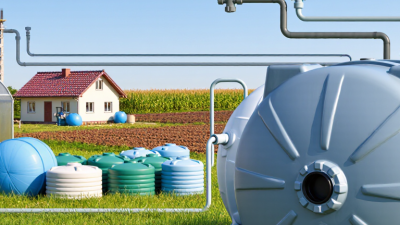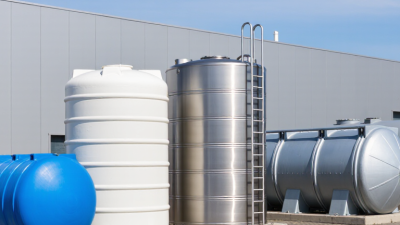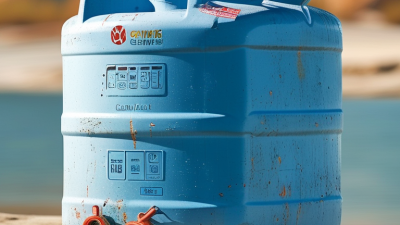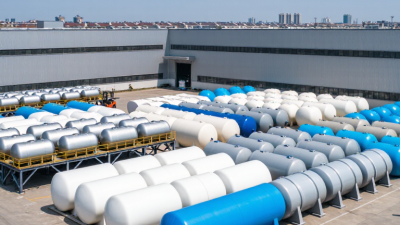
Reliable water storage begins with a practical question: what must the tank protect, and where will it stand? Plastic water storage tanks have become common in homes, farms, construction sites, and commercial facilities. Their appeal is easy to understand. High-quality polyethylene tanks are lightweight, corrosion-resistant, and easier to transport than steel alternatives. A two-person crew can often position a medium tank without heavy lifting equipment.
Dr. Peter H. Gleick, a respected water-resource scientist, has emphasized, “Water is the most important resource on the planet.” His statement gives storage a wider meaning. A tank is not merely a container beside a building. It can support rainwater harvesting, emergency reserves, irrigation, and more consistent daily supply. Smooth interior surfaces also help simplify cleaning when the tank is correctly designed and maintained.
Still, plastic water storage tanks are not perfect. That matters. Sunlight, poor installation, unsuitable foundations, and neglected cleaning can reduce performance. Tank size also requires honest planning. A large tank may waste space and money, while a small tank may empty during a dry week. I have seen attractive installations fail because the base was uneven or the outlet sat too low. The material alone cannot solve poor design.
This guide examines why many users choose plastic tanks, while recognizing their limitations. It considers durability, hygiene, installation, maintenance, cost, and environmental conditions. The best choice depends on water quality, climate, usage, and expected service life. Convenience is valuable, but careful judgment matters more.
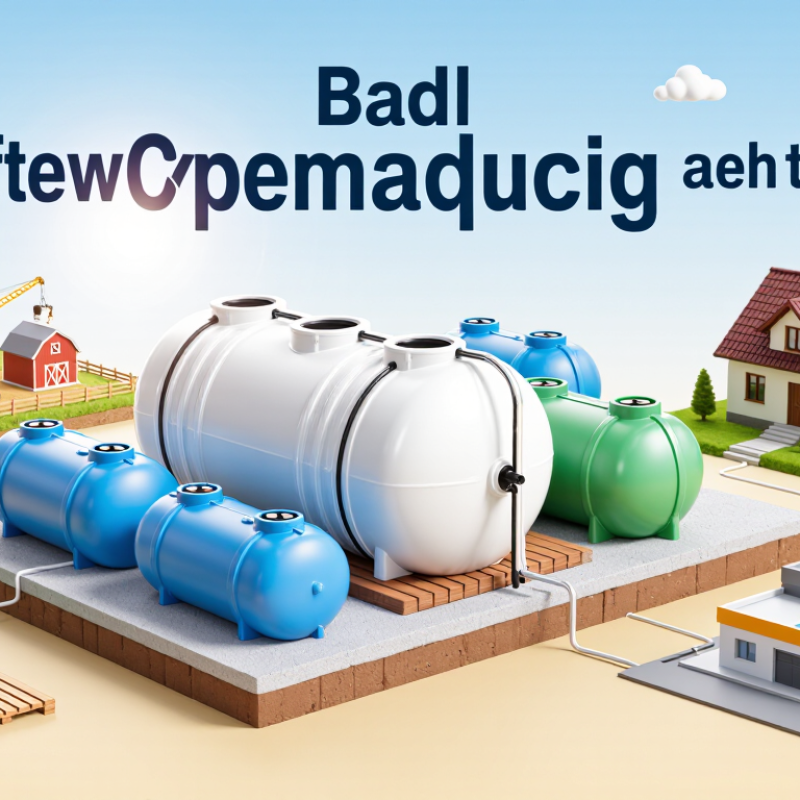
Plastic water storage tanks are large containers made mainly from durable, molded polyethylene. They store drinking water, rainwater, process water, or emergency supplies. Many are produced as one-piece shells, which reduces seams and possible leak points. Their rounded walls also spread water pressure more evenly.
A typical tank includes a covered opening, inlet, outlet, overflow pipe, and drain. The cover helps limit dust, insects, and sunlight. However, a cover alone cannot guarantee clean water. The tank still needs regular inspection and safe cleaning. For drinking water, confirm that the material meets relevant food-contact and local water-storage standards.
Plastic tanks are lighter than concrete tanks, so transport and installation can be simpler. A prepared, level base remains essential. Uneven ground may distort the tank or stress its connections. Direct sunlight can also shorten the service life of unsuitable plastic, although UV-resistant materials perform better. Underground models require different structural design and careful backfilling.
A common site lesson is simple: installation matters as much as the tank itself. I used to view plastic storage as nearly maintenance-free, but that assumption was too optimistic. Sediment, loose fittings, and poor ventilation can create problems quietly. Checking water quality, pipe joints, and the tank’s condition every few months is a practical habit. Plastic is useful, but it is not magic.
What Are Plastic Water Storage Tanks?
Plastic water storage tanks are commonly manufactured from rotationally molded polyethylene. Their lower material density makes them substantially lighter than steel and concrete alternatives, which can simplify transportation, handling, and installation. The chart uses representative midpoint values from commonly reported engineering density ranges; actual tank weight also depends on wall thickness, reinforcement, fittings, and design.
Why Choose Plastic Water Storage Tanks?
Plastic water tanks are valued for their material properties, especially when reliable storage matters. Many are manufactured from high-density polyethylene, a tough plastic with a relatively low weight. A medium-sized tank can often be moved with basic lifting equipment. That practical advantage can simplify delivery and installation on farms, construction sites, and residential properties.
Plastic resists rust, unlike steel exposed to damp air or mineral-rich water. Its nonporous surface also limits water absorption and makes routine cleaning more manageable. However, plastic is not indestructible. Strong sunlight can weaken poorly protected material over time, so UV stabilizers and suitable placement deserve careful attention. Dark tanks may also reduce light penetration, helping control unwanted algae growth. This is useful, but not a complete treatment solution.
Impact resistance depends on resin quality, wall thickness, temperature, and tank design. Cold plastic may become less forgiving. I once underestimated how much uneven ground could stress a tank’s base. A level, properly supported foundation is essential. Thermal expansion is another detail people sometimes overlook; fittings need enough flexibility to avoid strain. For drinking water, choose material certified for potable use and inspect the tank’s interior before filling it. Small compromises in material selection can become expensive maintenance problems later.
| Material Property | Typical HDPE Value or Rating | Practical Benefit for Water Storage | Important Design Note |
|---|---|---|---|
| Low Material Density | Approximately 0.94–0.97 g/cm³ | A plastic tank is much lighter than a similarly sized metal tank, making transportation, handling, and installation easier. | The finished tank weight also depends on wall thickness, fittings, ribs, and support components. |
| Water Absorption | Very low; commonly below 0.01% after 24 hours in standard testing | The tank material does not readily absorb water, helping maintain dimensional stability and reduce moisture-related deterioration. | Actual performance depends on the resin grade, processing quality, and test method used. |
| Corrosion Resistance | Does not rust or corrode like unprotected steel | Suitable for outdoor and humid environments, with less need for anti-corrosion coatings or routine repainting. | Metal fittings, supports, and connecting hardware may still require corrosion protection. |
| Chemical Resistance | Generally resistant to many dilute acids, alkalis, salts, and water-treatment chemicals | Helps protect the tank from chemical attack during the storage of water and compatible aqueous solutions. | Compatibility must be checked for each chemical, concentration, temperature, and exposure time. |
| Impact Resistance | Good toughness and resistance to ordinary handling impacts | Reduces the likelihood of cracking during delivery, installation, and normal service when the tank is properly supported. | Sharp impacts, severe deformation, freezing water, or improper lifting can still damage the tank. |
| Flexibility and Ductility | Flexible thermoplastic behavior with useful elongation before failure | Allows the tank wall to absorb limited movement and helps reduce brittle fracture compared with some rigid materials. | Plastic tanks are not pressure vessels and should not be connected to pressurized systems without suitable controls. |
| UV Weatherability | Good when UV stabilizers and suitable pigments are incorporated | Supports long-term outdoor use by slowing sunlight-related surface degradation. | UV resistance varies by formulation and exposure; shaded or covered installation can extend service life. |
| Thermal Operating Range | Often suitable for approximately −40°C to 60°C, depending on tank design | Provides useful performance across many common ambient and water-storage conditions. | Maximum temperature, filling level, wall thickness, and chemical compatibility must be confirmed for the specific tank. |
| Thermal Conductivity | Low compared with most metals; approximately 0.4–0.5 W/m·K for HDPE | Slows heat transfer through the tank wall, which can help moderate rapid water-temperature changes. | Plastic is not a substitute for dedicated insulation where temperature control is critical. |
| Hygienic Surface | Non-porous surface when properly manufactured and maintained | Provides a smooth interior that is relatively easy to clean and does not rust or flake into stored water. | Potable-water use requires an approved material, clean manufacturing, proper installation, and regular tank maintenance. |
| Electrical Insulation | HDPE is electrically non-conductive | Can reduce electrical conductivity through the tank wall and avoid external rust caused by electrical contact. | Pumps, sensors, grounding, and electrical equipment must still be installed according to applicable safety requirements. |
| Recyclability | HDPE is commonly identified by recycling code #2 | The material may be recyclable at the end of its service life where suitable collection and processing facilities exist. | Recycling availability depends on local facilities, contamination, additives, and the tank’s composite components. |
| Manufacturing Adaptability | Rotational molding can produce seamless, one-piece tank bodies | Seamless construction can reduce potential leak paths and allows a wide range of shapes, capacities, and fitting layouts. | Quality depends on mold design, resin distribution, wall uniformity, fittings, and inspection procedures. |
Note: Values are typical reference ranges for rotationally molded HDPE water tanks. Actual properties vary by resin grade, additives, wall thickness, manufacturing process, tank geometry, temperature, and service conditions. Always verify the product specification and applicable local standards before installation.
Plastic water storage tanks offer practical advantages over concrete, steel, and underground storage systems. Their lighter weight simplifies delivery and placement, especially on rural properties or raised platforms. A small crew can often position an empty tank without heavy lifting equipment.
Weight matters.
Modern polyethylene tanks resist rust, corrosion, and many common household chemicals. Unlike steel containers, they do not develop orange flakes when protective coatings fail. Their smooth interior also reduces places where sediment can collect. This helps cleaning crews inspect the tank more easily. UV-stabilized plastic can withstand outdoor exposure, although shade still improves service life.
That detail is often overlooked.
Installation usually requires less site preparation than concrete construction. A level, compacted base may be enough, reducing labor, curing time, and disruption around a home or facility. Plastic tanks also come in various shapes, making them useful where access paths are narrow.
However, they are not flawless. Extreme heat, freezing conditions, poor foundations, or unsuitable fittings can cause problems. I have seen a good tank perform badly because its base shifted after heavy rain. Regular inspection remains essential. Check the lid, inlet, outlet, supports, and surrounding ground before small defects become expensive repairs.
Choosing the right plastic water storage tank requires more than checking its capacity. Consider the water type, installation space, climate, and expected usage. A tank for drinking water needs suitable food-grade material and documented safety compliance. A tank for rainwater or irrigation may have different requirements.
Shape matters. Slim tanks fit narrow side passages, while vertical tanks often use ground space efficiently. Measure doorways, access routes, and the supporting surface before ordering. A full tank can become extremely heavy. The base must remain level, stable, and strong enough for the load.
Tips: Check the tank’s material, wall thickness, fittings, warranty, and cleaning access. Ask whether ultraviolet protection suits your climate. Review local installation rules and the manufacturer’s technical data. Do not select a tank by volume alone.
Placement also affects water quality and maintenance. Keep the tank away from chemicals, sharp objects, and prolonged standing water. Shaded locations can reduce heat exposure, although shade is not always practical.
I once overlooked hose access during planning, making routine cleaning awkward. That small detail changed the whole setup. Inspect the tank periodically for cracks, bulging, blocked vents, and leaking connections. Replace damaged fittings promptly. A larger tank may seem safer, but unused water can stagnate. Balancing capacity with real demand is often the harder choice.
Plastic water storage tanks are lightweight, corrosion-resistant, and easier to position than many metal alternatives. Their installation still requires careful planning. Choose firm, level ground that can support the tank when completely full. A reinforced concrete pad often works well, but uneven surfaces can create stress around the base.
Connect inlet, outlet, and overflow pipes without forcing the fittings. Flexible connectors can reduce strain when the tank expands slightly during filling. The overflow line should direct water away from foundations, walkways, and electrical equipment. Local plumbing requirements may also affect pipe sizing and placement.
Maintenance is simple, but it is not optional. Inspect the tank every few months for bulging, discoloration, loose fittings, and algae growth. Clean the interior according to the stored water’s intended use. Small leaks matter. Replace damaged seals promptly, and never drag a full tank across concrete.
Service life depends on sunlight, temperature, water chemistry, and installation quality. UV exposure can gradually weaken plastic, especially where shade is limited. A shaded location may help, though it is not a complete solution. One practical lesson is easy to miss: an oversized tank can remain partly empty for long periods, allowing sediment and stagnant water to accumulate. Regular turnover and inspection support better performance.