Top Tips for Choosing Large Water Storage Tanks?
When it comes to selecting large water storage tanks, several key factors demand attention. These tanks are essential for various applications, such as agriculture, construction, and emergency water supply. Choosing the right tank ensures reliability and efficiency.
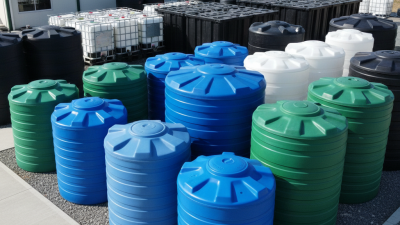
Consider the material of the tank. Options range from steel to polyethylene. Each material has its pros and cons. Think about where the tank will be placed. Above-ground and underground tanks have different requirements. How much water do you need to store? Assessing storage capacity is crucial for your specific needs.
Don’t overlook the importance of local regulations. Compliance with local guidelines can prevent future issues. Investing in high-quality tanks may seem costly upfront, but it pays off in the long run. A reliable tank guarantees safety and durability. Reflecting on these factors can help you make an informed decision.
Understanding Different Types of Large Water Storage Tanks
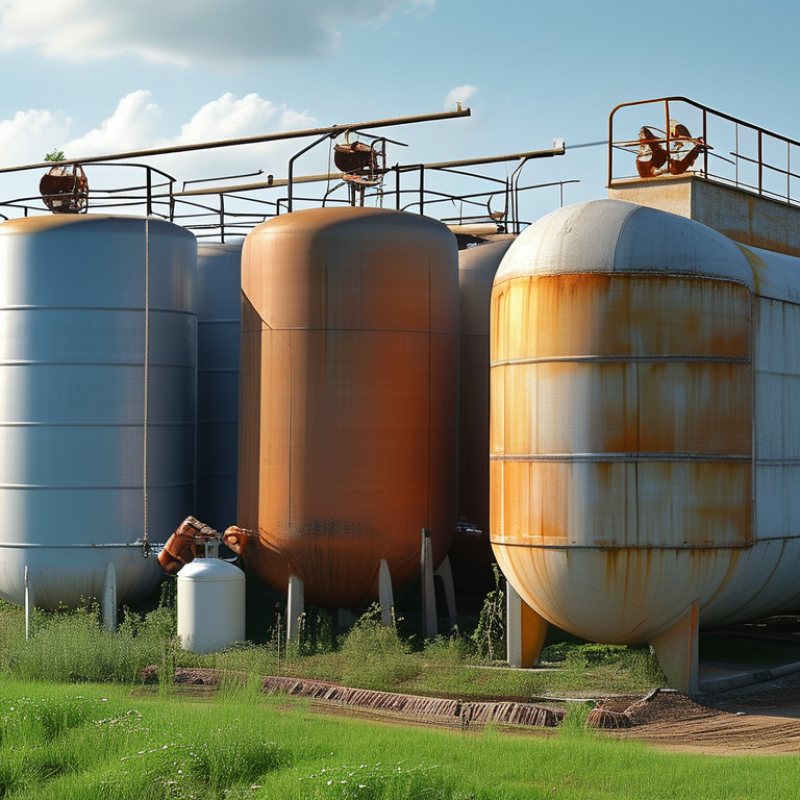
When selecting large water storage tanks, understanding the available types is crucial. There are a few common varieties: steel, fiberglass, and concrete. Each has unique characteristics that may influence your decision based on usage. For instance, steel tanks are known for their durability and strength. They can withstand harsh weather conditions and heavy loads. A report from the Water Environment Federation indicates that steel tanks have a lifespan of over 30 years when properly maintained.
On the other hand, fiberglass tanks offer excellent corrosion resistance. They are lightweight and easier to transport. Research suggests that fiberglass tanks can hold water at various temperatures without compromising structural integrity. Their resistance to algae growth is also a significant advantage. However, they may not be suitable for all climates, as extreme temperature fluctuations can affect their performance.
Concrete tanks are incredibly robust and ideal for large-scale storage. Their thick walls can provide insulation. However, they require a careful planning phase, as improper installation can lead to leaks. Some data indicate that nearly 25% of concrete tanks either fail or need repair within the first decade due to poor construction practices. Understanding these aspects is vital for making an informed choice, especially regarding longevity and maintenance needs.
Key Factors to Consider When Sizing Your Water Storage Needs
Choosing the right size for your water storage tank is essential. The first factor to consider is your daily water usage. For households, an average of 100 to 125 gallons per person per day is a common benchmark. This means a family of four may need up to 500 gallons for daily activities, including drinking, cooking, and cleaning.
Next, consider peak usage times. During dry seasons or emergencies, your needs can double. A report by the American Water Works Association suggests that having at least a two-day supply is prudent. For example, if your household uses 500 gallons a day, a 1,000-gallon tank can provide security during unexpected events.
Climate also plays a vital role. In areas with drastic temperature changes, the material and insulation of the tank are crucial. A poorly insulated tank may lead to temperature fluctuations, potentially impacting water quality. The Environmental Protection Agency notes that maintaining a consistent temperature helps prevent bacterial growth, ensuring safe water for use.
Top Tips for Choosing Large Water Storage Tanks
| Factor |
Description |
Recommendation |
| Capacity |
Determine the amount of water needed based on usage |
Consider daily and peak usage |
| Material |
Choose between plastic, steel, or fiberglass materials |
Select a material that suits your environment |
| Location |
Assess the site conditions for tank placement |
Ensure easy access for maintenance and filling |
| Insulation |
Consider temperature control for water storage |
Use insulated tanks in extreme climates |
| Regulatory Compliance |
Understand local regulations regarding water tanks |
Ensure tanks meet all legal requirements |
| Budget |
Calculate the total costs including installation |
Plan for both initial and ongoing costs |
Materials and Durability: Selecting the Right Tank Composition
Choosing the right material for large water storage tanks is crucial. The composition directly impacts the tank’s durability and lifespan. Common materials include polyethylene, fiberglass, and steel. Each has unique benefits and drawbacks.
Polyethylene tanks are lightweight and resistant to corrosion but may suffer from UV degradation. Steel tanks offer strength and reliability but can corrode without proper treatment.
Consider the environmental factors as well. In areas with extreme temperatures, fiberglass may maintain integrity better than polyethylene. On the other hand, steel tanks often perform well in harsh conditions if coated appropriately. A poorly chosen material can lead to leaks or contamination, which will compromise water quality.
Durability is key when selecting a tank. Look for options with warranties, as they often reflect the manufacturer’s confidence in their product. Evaluate the need for additional protective measures, such as coatings or insulation. Regular maintenance can prolong the life of any material, but some require more effort than others.
Weigh these aspects carefully for better investments in water storage solutions.
Evaluating Installation and Maintenance Requirements
When evaluating installation and maintenance requirements for large water storage tanks, consider the site conditions carefully. Assess the terrain, accessibility, and proximity to utilities. These factors will significantly impact both the installation process and ongoing maintenance needs.
A well-chosen location can simplify access for maintenance teams and equipment.
During installation, think about potential challenges. Heavy machinery may be needed, depending on the tank size. A detailed plan can help avoid unexpected issues. Consider whether the site has adequate space for temporary storage or staging during installation. Having a clear strategy can save time and reduce costs.
Ongoing maintenance is crucial for keeping your water storage tank in good condition. Regular inspections help identify leaks or structural issues early. Documenting the maintenance schedule enhances reliability. Some may find this tedious, but keeping records can prevent larger problems down the line. Approach each maintenance task with careful attention to detail to ensure the tank remains functional and safe.
Cost Considerations and Budgeting for Water Storage Solutions
When it comes to selecting large water storage tanks, budgeting is crucial. First, evaluate the initial investment. Costs can vary widely based on materials and capacity. Steel tanks might be more expensive but offer long-term durability. On the other hand, plastic tanks may have a lower upfront cost but could require more maintenance. Knowing your budget helps narrow down options effectively.
Consider ongoing costs too. Maintenance can add up over time. For instance, check how often the tank needs cleaning or servicing. These are factors that could impact your choice. It's not just about buying the tank; think about installation and any necessary accessories.
Moreover, sizing the tank correctly is vital. Too small can lead to overflow risks. Too large can be a waste of funds. It’s a delicate balance, and sometimes it’s worth consulting with an expert. Although DIY approaches save money, they can lead to mistakes. Investing in knowledgeable guidance may initially seem costly but can save money in the long run.
Cost Considerations for Large Water Storage Tanks
This bar chart illustrates the estimated costs for various types of large water storage tanks per 1000 gallons. As seen, concrete tanks are the most expensive option, while plastic tanks are the most cost-effective choice.