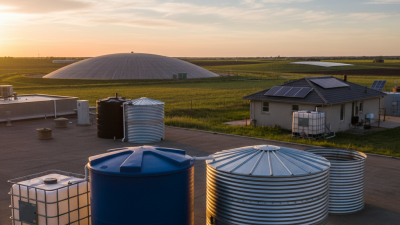
What Are the Top Types of Large Water Tanks?
Choosing a large water tank is not simply a matter of selecting the biggest available model. Capacity, water quality, installation space, climate, maintenance access, and budget all influence the decision.
The United Nations World Water Development Report 2024 states that 2.2 billion people lacked safely managed drinking water in 2022. This figure highlights the importance of dependable storage, especially where supply interruptions, drought, or emergency conditions affect households and businesses. The report does not recommend one universal tank design. That limitation matters.
Peter Gleick, co-founder of the Pacific Institute and a leading water-policy expert, has stated, “Water is a human right.” His principle places practical storage choices within a wider responsibility: tanks should protect water, not merely hold it.
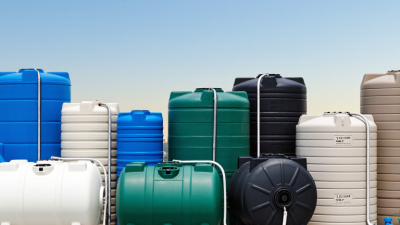
Common options include polyethylene tanks, galvanized steel tanks, concrete tanks, fiberglass tanks, bladder tanks, and underground systems. A black polyethylene tank may reduce light penetration and algae growth. A steel tank can serve farms, factories, or municipal facilities where high capacity is essential. Concrete tanks often suit permanent underground installations, but their foundations demand careful engineering.
There is no perfect type.
A small rooftop tank may be ideal for daily household use, yet unsuitable for fire protection or industrial demand. Likewise, a low-cost tank can become expensive if cleaning, transport, fittings, or repairs are ignored. This guide examines the top types of large water tank systems, comparing their materials, applications, strengths, weaknesses, and realistic maintenance needs. The aim is not to promote one product, but to support a safer and more informed decision.
What Defines a Large Water Tank and Its Main Applications?
A large water tank is defined less by one fixed capacity than by its function, location, and operating demands.
A 5,000-liter tank may be large for a rural home, but small for a factory. In practical site assessments, engineers often consider storage volume, footprint, water turnover, and emergency reserve together. A tank must also match the available foundation and local safety requirements.
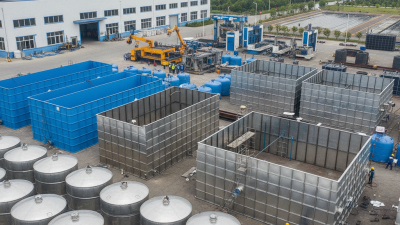
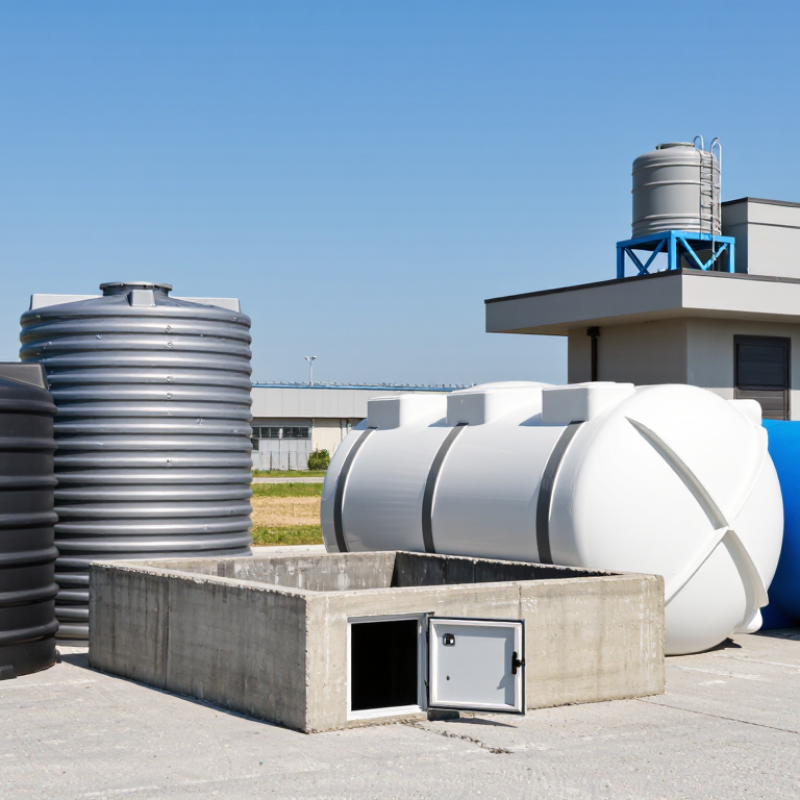
The main types include vertical steel tanks, sectional panel tanks, concrete reservoirs, and rotationally molded plastic tanks.
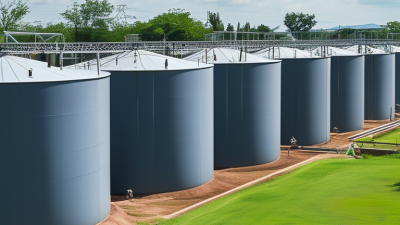
Steel tanks suit industrial sites and municipal storage because they can hold substantial volumes. Concrete reservoirs work well underground or beside treatment facilities. Plastic tanks are lighter and easier to install, especially for farms and commercial buildings. Each option has trade-offs. Steel needs corrosion control. Concrete needs careful waterproofing. Plastic can deform if the base is uneven.
Large tanks commonly support drinking-water storage, rainwater collection, irrigation, firefighting reserves, and process water.
A tank collecting roof runoff may include leaf screens, a first-flush device, and an overflow line. An agricultural tank may need a floating intake to reduce sediment transfer. Water quality can deteriorate when storage remains unused for too long. That detail is sometimes overlooked.
Oversizing can also increase cleaning costs and create stagnant zones. Good design checks demand patterns, inlet turbulence, access ladders, ventilation, drainage, and inspection frequency. Capacity calculations are useful, but they are not perfect without reliable usage data.
How Are Large Water Tanks Classified by Material?
Material choice determines how a large water tank performs over time. Large tanks are commonly classified as steel, concrete, plastic, or fiberglass-reinforced plastic. Each material responds differently to pressure, sunlight, corrosion, and temperature changes.
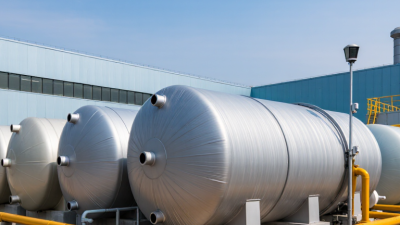
Steel tanks provide high strength for municipal, agricultural, and industrial storage. Carbon steel usually needs protective coatings, internal liners, or cathodic protection against rust. Stainless steel resists corrosion better, especially in humid or chemically demanding locations. However, it costs more and may be unnecessary for ordinary water storage. Not always practical.
Concrete tanks suit underground or permanent installations. They handle heavy loads and can maintain stable water temperatures. Yet cracks, porous surfaces, and poor joint sealing may cause leakage. Regular structural inspections matter.
Plastic tanks, especially high-density polyethylene tanks, are lightweight and resistant to many chemicals.
Fiberglass tanks offer good strength with relatively low maintenance. They do not rust, but sunlight, temperature changes, and unsupported ground can cause distortion or stress.
For drinking water, the tank material and liner should meet applicable health and safety requirements. Installers should review water chemistry, soil conditions, access limits, and expected service life before selecting a material. Field experience shows that a strong specification can still fail when installation is rushed. The cheapest material is not always the lowest-cost option. A level foundation, correct fittings, and routine inspections often determine whether the tank remains reliable.
What Are the Top Types of Large Water Tanks?
What Are the Top Types of Large Water Tanks?
Large water tanks serve homes, farms, factories, and emergency systems. The best type depends on capacity, water quality, available space, and maintenance access. Bolted steel tanks suit high-volume storage and can be expanded during installation. They usually have strong foundations and replaceable interior liners. Concrete tanks offer excellent stability, especially underground or in harsh weather. However, construction takes longer, and repairs may require specialist work.
Polyethylene tanks are lighter and resist corrosion. Their smooth interiors help reduce sediment buildup. They work well for rainwater, irrigation, and non-potable storage.
Fiberglass tanks provide a rigid structure with low routine maintenance. Yet, transport and positioning can become difficult when access roads are narrow.
I have seen tank plans fail because delivery clearance was ignored. Small detail. Big cost.
Tips: Check the water’s intended use before choosing materials. Confirm local engineering rules, foundation requirements, and overflow routes. Leave room around valves and inspection openings. A shaded tank may control algae better, but ventilation still matters. Test stored water regularly if people will drink it. Also, do not assume a larger tank is always better. Oversized tanks can hold water too long, reducing freshness and increasing cleaning needs. Good planning is rarely perfect. Recheck the site before ordering.
How Should You Choose the Right Large Water Tank?
Large water tanks usually come in steel, reinforced concrete, polyethylene, fiberglass, or modular panel designs. Each type fits a different operating condition. Steel tanks provide high capacity and structural strength. Concrete tanks suit buried or semi-buried installations. Polyethylene and fiberglass resist corrosion, but their size and temperature limits require careful checking. Modular tanks can simplify transport and phased expansion.
How should you choose the right large water tank? Start with demand, not appearance. Estimate daily use, peak-hour flow, fire-storage needs, cleaning frequency, and future expansion. The U.S. Environmental Protection Agency’s 2023 Drinking Water Infrastructure Needs Survey estimated a $625 billion investment need over 20 years. That figure shows why lifecycle cost matters. A cheap tank can become expensive through coatings, inspections, foundation repairs, or water loss.
Water quality changes the decision. For potable storage, confirm that the tank materials meet applicable drinking-water contact requirements and accepted standards, such as relevant AWWA specifications. Check local seismic, wind, frost, and foundation conditions before selecting a shape. The WHO and UNICEF Joint Monitoring Programme reported that 2.2 billion people lacked safely managed drinking water in 2022. Reliability is not a decorative feature. It affects public health. A common field mistake is choosing extra capacity without planning circulation. Stagnant water can create maintenance problems. Bigger is not always better. Recheck the assumptions with an engineer, because demand forecasts are often imperfect.
What Are the Top Types of Large Water Tanks?
Large water tanks are commonly made from bolted steel, concrete, welded steel, fiberglass, or polyethylene. The chart below shows indicative service-life ranges under suitable design, installation, and maintenance conditions.
How to choose: Select concrete for maximum longevity and permanent installations, bolted or welded steel for high-capacity projects and structural strength, fiberglass for corrosion resistance, and polyethylene for lightweight, economical storage. Also consider water quality, site conditions, required capacity, installation time, maintenance access, and local regulations.
What Maintenance Does Each Tank Type Require?
Large water tanks are commonly built from steel, concrete, fiberglass, or polyethylene. Each material needs a different maintenance routine. A storage tank should be inspected at least annually, with extra checks after storms, freezing weather, or unusual water use.
Steel tanks require close attention to corrosion. Inspect welds, seams, ladders, vents, and the interior coating. Small rust spots should be cleaned and repaired before they spread. Drainage around the foundation also matters, because standing water can accelerate damage. Bolted steel tanks may need connection checks. A loose fitting is easy to overlook.
Concrete tanks are strong, but cracks and moisture intrusion require regular observation. Inspect the roof, joints, inlet pipes, and exterior surfaces for staining or exposed reinforcement. Sediment should be removed when it affects capacity or water quality. Fiberglass tanks need checks for surface blisters, fading, and damaged fittings. Their smooth walls reduce buildup, but they are not maintenance-free.
Polyethylene tanks are lightweight and resist corrosion, yet sunlight can weaken exposed surfaces over time. Check the tank body for bulging, splits, and stress around outlets. Keep the base level and free from sharp debris. Clean vents and screens regularly. Water quality testing should follow the tank’s intended use and local requirements. A maintenance log helps, although logs can create false confidence when inspections are rushed. Actual conditions matter more than a completed checklist.