What Are the Top Types of Poly Tanks?

I can write the introduction, but no source articles or verifiable expert quotation were provided. Please share a source or expert name so I can include an accurate attribution without inventing a quote.
What Are the Top Types of Poly Tanks?

Main Categories of Poly Tanks by Design and Use

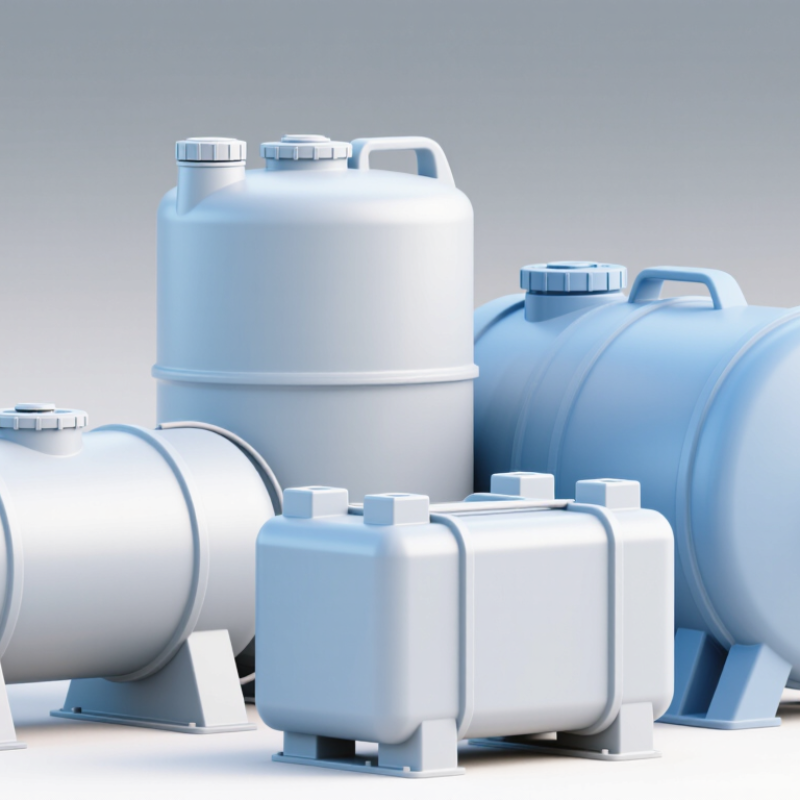
Poly tanks are commonly grouped by shape and the job they perform. Vertical tanks suit fixed storage where floor space is limited. Their tall profile can hold substantial volume, but a full tank needs a level, properly supported base. Horizontal tanks sit lower and are often used on trailers or in utility vehicles. Baffles may reduce liquid movement, though they do not eliminate it. Space matters.

Rectangular and slimline tanks fit narrow areas, such as beside a building or inside a service vehicle. Their flat sides make placement convenient, but support requirements vary by design. Cone-bottom tanks help liquids drain toward an outlet, making them useful for settling or controlled dispensing. Open-top tanks allow easy access for mixing and inspection, but need suitable covers and handling procedures.

Use matters as much as shape. Water storage, agricultural work, and industrial processes can call for different fittings, wall designs, and material specifications. Check the tank’s stated compatibility with the liquid, temperature, and exposure conditions; polyethylene is not automatically suitable for every chemical. For drinking-water storage, look for documentation confirming the tank is intended for that use. The categories overlap more than they first appear. A compact tank may still need careful anchoring, while an easy-to-drain design may not fit every site. Verify dimensions, outlet position, and support needs before choosing.

Vertical Poly Tanks for Aboveground Storage

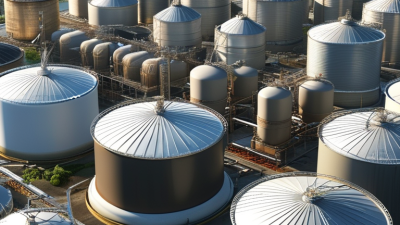
Vertical poly tanks suit aboveground storage when floor space matters more than height. ASTM D1998-21 covers upright polyethylene storage tanks in capacities from 75 to 20,000 gallons. That range supports compact water storage and larger process-liquid needs. A tall, narrow footprint can fit beside a building or along a service lane. Check the slab, though. A full tank can impose substantial weight on a small area.

Tank selection depends on the liquid, temperature, and specific gravity—not capacity alone. ASTM D1998 addresses design conditions for upright polyethylene tanks, so buyers should confirm that the tank’s rated service matches the stored material. Polyethylene can flex as liquid levels change, but sunlight and heat can affect long-term performance. Ask about UV protection and operating limits. Also inspect fittings, vents, and the outlet height before installation; a poorly placed valve can leave liquid difficult to drain. One detail is easy to miss: the base should be level and continuously supported, not perched on uneven blocks. That matters. A small installation shortcut may become a persistent problem.

What Are the Top Types of Poly Tanks? — Vertical Poly Tanks for Aboveground Storage

Tank Type Typical Design Common Uses Key Advantages Important Considerations
Vertical Flat-Bottom Tank Upright cylindrical tank with a flat base, generally made from rotationally molded polyethylene. Aboveground storage of water, compatible liquid chemicals, and some agricultural or industrial liquids. Efficient use of floor space; straightforward installation on a level, continuously supported pad. Requires a smooth, level base that supports the entire bottom. It is a storage tank, not a pressure vessel.
Vertical Cone-Bottom Tank Upright tank with a sloped bottom and a low-point outlet for draining. Liquids that need frequent or more complete drainage, including some process liquids and settling applications. Helps direct liquid and settled material toward the outlet, reducing retained contents compared with a flat bottom. Usually needs a properly engineered support stand or structure. Confirm outlet, support, and load requirements before installation.
Vertical Dished-Bottom Tank Upright tank with a curved or dished base rather than a flat or conical bottom. Selected process and storage applications where a shaped bottom and a low-point outlet are useful. Can help guide liquid toward a drain while providing a different support and drainage arrangement from a cone bottom. Availability and support requirements vary by tank design. Follow the tank maker’s installation instructions for the base and supports.
Vertical Open-Top Tank Vertical cylindrical tank with an uncovered or removable-cover top. Batch processing, mixing, temporary liquid holding, and applications where frequent access from above is needed. Provides convenient access for inspection, additions, and process equipment. Not suitable where a sealed or pressure-rated enclosure is required. Consider splash, contamination, and weather protection.
Vertical Double-Wall Tank Primary storage tank surrounded by an integral secondary containment wall. Aboveground storage of liquids where secondary containment is required or desired. Provides an additional containment layer without requiring a separate containment basin in some installations. Check applicable local regulations and the design’s monitoring provisions; secondary containment requirements depend on the site and stored liquid.

Selection note: Confirm liquid compatibility with the tank resin, concentration, and operating temperature. Verify capacity, fittings, UV exposure suitability, foundation, and installation requirements for the specific tank design. Poly tanks are generally intended for atmospheric storage, not pressurized service.

Horizontal Poly Tanks for Transport and Low-Profile Storage

Horizontal poly tanks are shaped for practical movement and space-conscious storage. Their broad, low profile can help keep a vehicle’s load closer to the floor, while rounded sides make them easier to fit into trailers or utility beds. Polyethylene resists rust and many common chemicals, but compatibility still depends on the liquid and tank material. Check the manufacturer’s specifications before filling. A tank built for stationary storage may not be designed for transport.

Tips: Confirm the tank is transport-rated. Secure it at designated mounting points, and inspect straps before each trip. Leave room for expansion where the instructions require it. Check fittings for leaks. Small details matter.

At a property or worksite, a horizontal tank can sit beneath a window or along a low wall without blocking as much of the view. Its shape can also simplify access for filling and cleaning, though the tank’s openings and drain placement vary by model. For transport, internal baffles may help reduce liquid movement, but they do not eliminate sloshing. Match tank capacity to the vehicle’s payload, and account for the liquid’s weight. It is easy to focus on gallons and overlook the mounting surface. That deserves a second look.

Top Poly Tank Types: Transport and Low-Profile Storage

Horizontal tanks are commonly suited to transport and low-profile installations because of their shape. Vertical, rectangular, and cone-bottom tanks serve different storage and handling needs. Ratings are qualitative comparisons, not standardized test results; suitability varies by tank design, contents, vehicle, and installation.

Underground Poly Tanks for Water and Wastewater

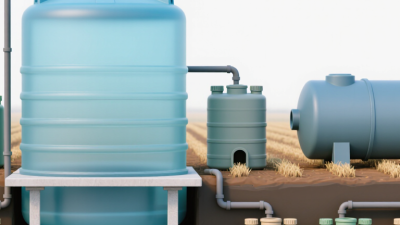
Underground polyethylene tanks can store water or collect wastewater where surface space is limited. They sit beneath lawns, driveways, or service areas, leaving the ground above available. For water storage, a secure access lid and screened vent help limit debris and insects. Wastewater systems need compatible materials, correctly sized inlets and outlets, and access for inspection and pumping. That matters. A tank intended for clean water should not be assumed suitable for sewage.

Burial conditions deserve equal attention. Installers should check soil capacity, groundwater level, cover depth, and traffic loads before selecting a tank. High groundwater can push an empty tank upward, so anchoring or engineered ballast may be required. Bedding and backfill should follow the tank’s installation specifications; sharp stones can create damaging point loads. Keep access risers reachable, even after landscaping changes. Plan for maintenance. Crews need room to inspect, clean, or pump the system. Real sites are rarely perfect, so designs should account for site-specific conditions and be reviewed by qualified professionals.

Specialty Poly Tanks for Chemicals, Fuel, and Rainwater

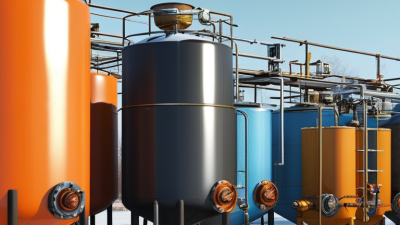
Specialty poly tanks handle liquids that ordinary water tanks should not. Chemical service depends on the substance, concentration, temperature, and storage time. A tank holding dilute fertilizer may not suit a stronger solution. ASTM D1998-21 covers polyethylene upright storage tanks, but compliance alone does not confirm compatibility with every chemical. Check the chemical supplier’s compatibility data and consult a qualified tank professional before filling.

Fuel needs extra care. Use only a tank specifically designed and approved for the intended fuel; a water-grade tank may soften, permeate, or fail. Check fittings, venting, secondary containment, and site conditions too. These details are easy to overlook. They matter.

Rainwater tanks are more forgiving, but sizing still takes local rainfall and roof area into account. The U.S. EPA’s 2013 review, Rainwater Harvesting: Conservation, Credit, Codes, and Cost Literature Review and Case Studies, describes estimating harvest volume from rainfall and catchment area. As a practical example, one inch of rain on a 1,000-square-foot roof yields about 623 gallons before collection losses. Screens and a first-flush diverter help keep leaves and roof debris out. Still, actual yield varies with roof design and weather. A little uncertainty belongs in the estimate.