Choosing the right liquid storage tank is a practical decision, not a simple product comparison. Global buyers must match capacity, liquid chemistry, climate, site access, and maintenance resources. A tank that performs well beside a European food plant may fail in a hot, coastal warehouse. Details matter, including wall thickness, foundation loading, outlet position, and gasket material.
Demand is also shaped by wider resource pressures. The WHO and UNICEF Joint Monitoring Programme reported that 2.2 billion people lacked safely managed drinking water in 2022. The 2024 UN World Water Development Report also states that agriculture represents about 70% of global freshwater withdrawals. These figures support continued investment in dependable water and liquid storage infrastructure. In energy markets, the IEA’s Oil 2024 report projects global oil demand to reach approximately 105.4 million barrels per day by 2030. Storage capacity remains commercially important.
This guide examines ten liquid storage tank options for international purchasing teams. It considers steel, stainless steel, polyethylene, fiberglass, concrete, flexible, and specialized designs. Each option has strengths and limits. Some suit corrosive chemicals. Others protect potable water, fuels, food ingredients, or industrial fluids. Compliance with relevant standards, such as API 650, AWWA D100, or food-contact requirements, should be verified for the project location. Supplier experience matters too. Ask for material certificates, inspection records, weld testing, and installation references. A neat ranking is tempting, but reality resists it. Local regulations, transport costs, and uncertain operating conditions can change the best choice. Careful review is essential.
Selecting a liquid storage tank starts with the liquid, not the tank price. Water, chemicals, oils, and food liquids require different materials and safety controls. FAO AQUASTAT reports that agriculture accounts for about 70% of global freshwater withdrawals. Therefore, irrigation tanks need reliable volume, UV resistance, and easy cleaning.
Compare polyethylene, fiberglass, stainless steel, carbon steel, concrete, flexible bladder, and double-wall designs. Check chemical compatibility before comparing capacity. Review temperature, density, vapor pressure, wind, seismic risk, and foundation strength. API 650 and EN 14015 provide useful design references for above-ground steel tanks. Local engineering approval remains essential.
Small details matter. A shaded tank can reduce heat stress and algae growth. A sloped floor improves drainage. A visible level gauge helps prevent overflow. The Global Water Development Report 2024 emphasizes stronger water resilience and infrastructure planning, which supports adding leak detection and secondary containment. These features cost more initially. They may prevent costly soil damage and product loss.
A cheaper tank can become the expensive choice. My first capacity estimate is often wrong when demand peaks seasonally. Recheck daily consumption, delivery delays, cleaning space, and future expansion. For potable or food liquids, request material certificates, hygienic fittings, and traceable inspection records. For hazardous liquids, follow applicable national rules and use a qualified engineer. Reliability is designed before fabrication, not repaired afterward.
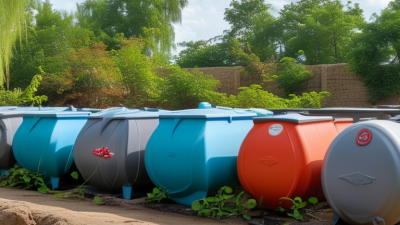
Among the 10 best liquid storage tank options for global buyers, polyethylene tanks deserve careful attention. They are lightweight, rust-free, and easier to transport than steel tanks. High-density polyethylene also tolerates many common acids, alkalis, fertilizers, and industrial liquids. Compatibility still depends on concentration and temperature. No tank suits every chemical.
PlasticsEurope reported global plastics production of 400.3 million tonnes in 2022. This scale supports broad material availability, but it does not guarantee quality. Buyers should request resin specifications, wall-thickness data, and batch traceability. Rotational molding can create seamless tanks with fewer leak paths. However, uneven installation may cause stress around outlets and support points. That detail is often missed. UV exposure is another concern, especially in hot regions. Outdoor tanks need UV-stabilized material, shaded placement, or a protective enclosure.
Tips: Confirm the liquid, concentration, operating temperature, capacity, and filling method before selecting a tank. Check chemical-resistance charts, not only sales descriptions. Ask for dimensional drawings and inspect fittings before shipment. A 5,000-liter tank can look suitable online, yet its access opening may be too small for cleaning. Secondary containment is wise where a leak could damage soil or drainage systems. Buyers should also review local water, fire, and environmental requirements. Recyclability matters, but a longer service life usually reduces replacement waste.
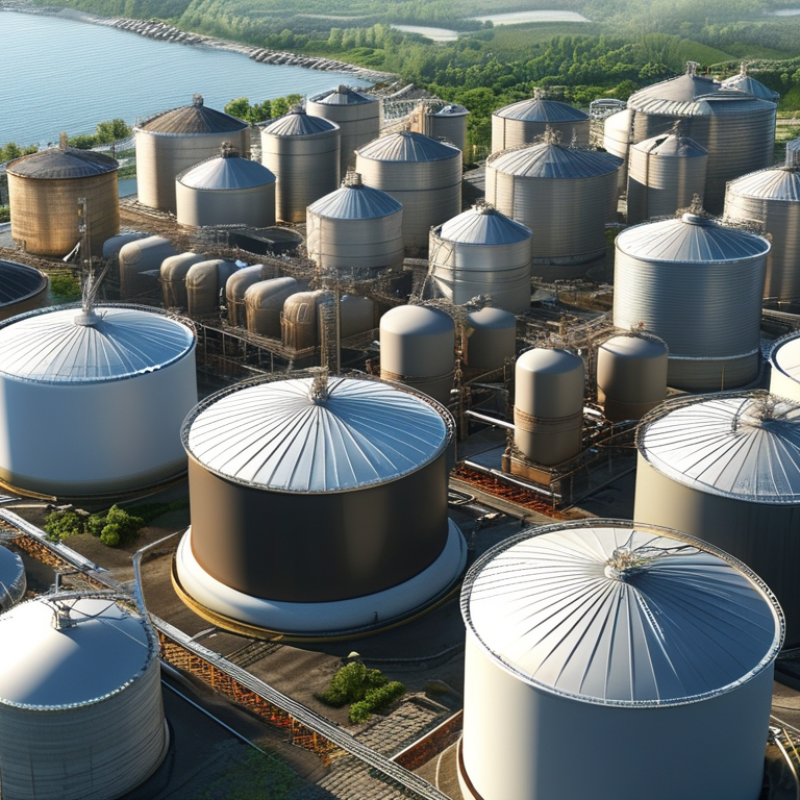
Steel tanks remain practical for high-capacity industrial storage. They handle large volumes without excessive footprint. Carbon steel suits water, fuels, and many non-corrosive liquids. Internal coatings can improve resistance. Stainless steel performs better with aggressive or hygienic fluids. Material compatibility matters more than appearance.
Capacity changes everything. Welded tanks offer strong, permanent construction for major facilities. Bolted steel tanks can simplify transport and installation at remote sites. Each option needs proper foundation design, roof support, ventilation, and access points. Not every site is level. Soil movement, wind, seismic activity, and temperature changes also require engineering review.
A common planning mistake is selecting a tank before defining the liquid. Viscosity, density, temperature, and cleaning methods affect the design. Inspection ports should allow safe internal checks. Secondary containment helps limit damage after a leak. Corrosion allowance may protect the tank, but it cannot replace regular inspection.
One assumption can fail.
A cheaper tank may create higher maintenance costs later. Practical buyers should request drawings, material certificates, weld inspection records, and clear maintenance guidance. Good documentation builds trust between manufacturers, installers, and operators.
Flexible tanks offer a practical solution when liquid storage must move quickly or remain temporary. Pillow tanks, bladder tanks, and collapsible open-top tanks suit different site conditions. They can store water, rainwater, non-hazardous process liquids, and approved agricultural fluids. Their fabric bodies fold flat for transport, reducing empty-storage space and delivery costs.
A reliable choice starts with the liquid, volume, and expected storage period. Potable water requires certified, food-grade materials and hygienic fittings. Industrial liquids may need chemical-resistant coatings, reinforced seams, or compatible valves. Check temperature limits carefully. Heat can weaken fabric and shorten service life. A tank holding 20,000 liters may need a level, compact base with strong ground protection beneath it. Do not place it near sharp stones, vehicle routes, or uncontrolled drainage.
Installation details matter more than many buyers expect. Anchoring straps can reduce movement during filling, while secondary containment helps protect nearby soil from accidental leaks. Inspect seams, fittings, and vent areas before every deployment. One overlooked valve can create serious delays. Larger capacity is not always better; a partially filled tank may shift more easily in wind. Site measurements, access routes, cleaning procedures, and local safety requirements should guide the final selection. Plans can look perfect, yet field conditions often reveal a missing drain point or an awkward connection. That is worth reviewing before delivery.
| Option | Tank Type | Typical Capacity Range | Primary Material | Portability | Typical Setup Time | Best-Suited Liquids | Typical Service Period | Main Advantages | Key Considerations |
|---|---|---|---|---|---|---|---|---|---|
| 1 | Pillow Bladder Tank | 1,000–500,000 L | PVC-coated fabric or reinforced polyurethane | Excellent when empty; folds for transport | 1–4 hours, depending on size and connections | Potable water, rainwater, process water, wastewater | Temporary to several years with proper inspection | High storage volume with a small shipping footprint; low evaporation when closed | Requires a smooth, well-prepared base; compatibility must be checked for chemicals |
| 2 | Collapsible Open-Top Tank | 500–200,000 L | Coated technical textile with foam or tubular support | Very good; lightweight and foldable | 30 minutes–3 hours | Firefighting water, construction water, irrigation water, wastewater | Short-term or seasonal applications | Fast deployment; convenient for frequent filling and draining | Open liquid surface can collect debris and increase evaporation; a cover may be needed |
| 3 | Self-Supporting Onion Tank | 500–50,000 L | Flexible coated fabric with foam-filled rim | Excellent; no rigid frame required | 15–60 minutes | Emergency water, potable water, agricultural water, decontamination water | Temporary and emergency use | Rapid installation with minimal equipment and no steel framework | Needs stable ground and sufficient clearance around the tank wall |
| 4 | Framed Flexible Tank | 1,000–100,000 L | Reinforced PVC or polyurethane liner with aluminum or steel frame | Good; components can be packed separately | 1–6 hours | Drinking water, process water, wastewater, temporary liquid supplies | Temporary to medium-term use | Predictable rectangular footprint and useful access height | Frame assembly adds labor and weight; liner protection is important |
| 5 | Horizontal Leg Tank | 500–20,000 L | Reinforced fabric bladder with external support structure | Good for transportable sites | 30 minutes–2 hours | Fuel-compatible liquids, water, liquid fertilizer, selected chemicals | Temporary and mobile operations | Compact footprint and convenient loading height for pumps and hoses | Not all models are suitable for every chemical or fuel; verify liner specification |
| 6 | Intermediate Bulk Container | 500–1,250 L per unit | High-density polyethylene bottle with metal or plastic cage | Excellent; forklift and pallet compatible | Immediate to 30 minutes | Water, food ingredients, lubricants, detergents, compatible chemicals | Short- to medium-term use; reusable models are available | Standardized dimensions, easy handling, and simple dispensing | Limited individual capacity; stacking and chemical compatibility must be assessed |
| 7 | Vertical Polyethylene Tank | 500–50,000 L | Rotomolded polyethylene | Moderate; movable when empty with suitable equipment | 1–4 hours for placement and connection | Water, agricultural liquids, wastewater, selected non-pressurized chemicals | Several years with UV protection and routine inspection | Corrosion-resistant, durable, and suitable for repeated use | Requires a firm level base and more shipping space than flexible tanks |
| 8 | Steel Panel Tank with Liner | 20,000–5,000,000 L | Bolted or coated steel panels with internal flexible liner | Moderate; panels are transportable but require assembly | 1–10 days, depending on capacity and site conditions | Potable water, firewater, irrigation water, industrial process water | Medium- to long-term storage | Large capacity, modular construction, and strong structural support | Needs a prepared foundation, assembly crew, and corrosion-control program |
| 9 | Stainless Steel Tank | 1,000–200,000 L | Stainless steel, commonly with welded or sanitary fittings | Low to moderate; usually moved by specialized equipment | Several hours to several days | Food liquids, beverages, pharmaceuticals, purified water, compatible chemicals | Long-term service with proper cleaning and inspection | Hygienic, durable, cleanable, and resistant to many corrosive environments | Higher purchase and transport costs; material grade must match the liquid |
| 10 | ISO Tank Container | 14,000–26,000 L | Stainless steel pressure vessel within a standardized frame | Excellent for intermodal transport | 30 minutes–2 hours for positioning and connection | Food-grade liquids, chemicals, fuels, and other approved liquids | Repeated transport and long-term operational use | Designed for road, rail, and sea logistics; efficient for cross-border movement | Higher logistics and regulatory requirements; pressure and dangerous-goods rules may apply |
Capacity ranges and setup times are typical planning values; final selection should be based on liquid compatibility, temperature, regulatory requirements, site conditions, and required storage duration.
For global buyers, the ten practical liquid-storage options include stainless steel, carbon steel, polyethylene, fiberglass, double-wall, insulated, underground, flexible, intermediate bulk, and cryogenic tanks. Each suits a different risk profile. Food and pharmaceutical markets often require documented food-contact materials, cleanable surfaces, and traceable weld inspections. European projects may follow EN 12285 requirements, while Australian sites commonly reference AS 1940 for flammable-liquid storage. Local approval still matters more than a generic certificate.
Safety planning should match the liquid, temperature, pressure, and installation site. In the United States, the Environmental Protection Agency’s SPCC framework uses 1,320 gallons for aboveground oil-storage capacity and 42,000 gallons for completely buried capacity. NFPA 30 also addresses separation, fire protection, and secondary containment for flammable liquids. A tank is not compliant merely because its steel is thick. Valves, vents, foundations, overfill alarms, and inspection records can fail first. Maintenance should include visual checks, leak testing, corrosion mapping, gasket replacement, and calibrated level instruments. Tropical markets need stronger attention to humidity and external corrosion. Cold regions may require insulation, heat tracing, or flexible connections. I would not treat a checklist as proof of safety. Field conditions change, and neglected details become expensive lessons.
The chart compares typical useful service-life ranges for widely used liquid storage tank constructions. Actual life depends on liquid chemistry, temperature, UV exposure, installation quality, corrosion protection, loading conditions, and inspection practices.
Before purchase, buyers should verify local requirements such as secondary containment, fire protection, pressure equipment controls, hazardous-area classification, spill prevention, and inspection obligations. Common reference frameworks include EPA SPCC and OSHA requirements in the United States, PED and ATEX where applicable in the European market, DSEAR and PSSR in the United Kingdom, and relevant national or provincial standards in Australia and Canada. The service-life figures are indicative planning values, not regulatory guarantees.