How to Choose the Best Poly Tanks?

Choosing the best poly tanks starts with the job they need to do, not the price tag. A tank for rainwater may not suit chemical storage, even when both look similar. Capacity matters, but so do the liquid’s properties, the installation site, and how often the tank will be used. Small details count.

Polyethylene tanks are often valued for their relatively low weight and resistance to rust. Still, performance varies by model, material, and manufacturing quality. Check the product specifications for intended use, UV protection, wall design, fittings, and any relevant potable-water certification. Chemical compatibility should be confirmed with the manufacturer; a general label is not enough. That step can prevent costly damage.

The site deserves equal attention. A full tank is heavy, so it needs a stable, level base suited to the load. Measure doorways and access routes before delivery, and consider sunlight, temperature changes, drainage, and room for maintenance. A poorly placed outlet can make routine use frustrating. It happens.

This guide explains how to compare capacity, materials, features, and installation requirements with practical questions in mind. There is no single best choice for every property, and product descriptions do not always answer every concern. Reviewing the manufacturer’s documentation—and asking specific questions when details are unclear—helps you choose a tank that fits your needs more reliably.
How to Choose the Best Poly Tanks?

What Poly Tanks Are and How Their Materials Affect Performance

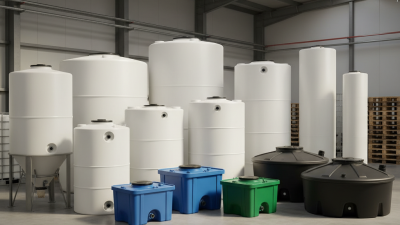
Poly tanks are commonly molded from polyethylene, a lightweight plastic that resists rust and many everyday water-treatment chemicals. The Plastics Pipe Institute’s Handbook of Polyethylene Pipe, 2nd edition, gives typical high-density polyethylene resin density as roughly 0.941–0.965 g/cm³. That range helps distinguish HDPE from lower-density grades, but density alone cannot predict tank life. It is not a buying answer.

HDPE’s toughness helps a tank handle knocks during transport and installation. Sunlight is a different challenge: prolonged UV exposure can embrittle inadequately protected plastic, so check the manufacturer’s stated UV protection and intended outdoor use.

ASTM D1998-21, the standard for polyethylene upright storage tanks, addresses design conditions such as liquid density and wall stress. Match the tank’s rating to the stored liquid, temperature, and fill height; a tank suitable for water may not suit a heavier liquid. Look closely at the base and lower wall, where liquid pressure is greatest.

Wall thickness, molding quality, and support matter alongside resin type. One detail is easy to overlook: fittings and seals also need chemical compatibility. Verify those parts, not just the tank shell.

Define the Tank’s Purpose, Capacity, and Storage Requirements

Start with the water’s intended use, not the tank’s shape. Will it store rainwater for garden irrigation, drinking water, livestock supply, or process water? Each use affects fittings, access, cleaning, and material requirements. For drinking water, check that the tank is suitable for potable-water contact, including its seals and connected pipework. A tank suited to garden beds may not suit a workshop’s daily washdown. Small details matter.

Size capacity around measured demand and refill timing. The USGS Estimated Use of Water in the United States, 2015 reports irrigation withdrawals of about 118 billion gallons per day, roughly 42% of US freshwater withdrawals. That national figure cannot size an individual farm tank, but it shows how strongly irrigation can shape storage needs. Track daily use during the driest operating week, then allow for delivery delays and a practical reserve. I still find this step easy to underestimate.

For rainwater, estimate collection from roof area, local rainfall, and losses instead of choosing a tank by guesswork. One inch of rain on 1,000 square feet of roof can yield about 623 gallons before losses. FAO AQUASTAT reports that agriculture accounts for about 70% of global freshwater withdrawals, though local needs vary widely. Check the site, too: a full tank needs a stable base, safe access, and enough clearance for pipes. Use the usable capacity, not just the tank’s stated volume, when planning.

Compare Tank Design, Wall Thickness, and UV Protection

Start with the tank’s job and site, not its advertised capacity. A slim vertical tank may fit beside a shed, while a squat model can sit more steadily on a broad, level pad. Check the inlet, outlet, and access points against your plumbing plan. Small details matter.

Compare stated wall thickness at several points, if the specifications provide that information. Molded tanks may not have uniform walls. A thicker wall can improve stiffness, but resin quality, tank shape, and support conditions also affect durability. Thickness isn’t everything. Consider the weight of a full tank and follow the installation guidance for its base. An uneven pad can place stress on the walls, even when the tank looks sturdy.

For outdoor use, ask whether the resin includes UV stabilizers and whether its rating suits prolonged sun exposure in your area. A dark color may limit light entry, but color alone does not confirm UV resistance. Check care instructions and warranty exclusions, especially for hot, exposed sites. Shade is easy to overlook. I’d treat it as part of the site plan, not an afterthought. Inspect the tank periodically for fading, surface changes, or leaks, and contact the supplier if you notice damage.

Check Fittings, Installation Conditions, and Maintenance Needs

A poly tank can look ready while its fittings quietly dictate whether it performs well. Match the outlet size and material to the liquid, flow rate, and connected pipework. Check gasket compatibility, venting, overflow routing, and whether fittings can be reached for inspection. For drinking water, verify that the tank and wetted components meet NSF/ANSI/CAN 61 requirements. ASTM D1998 provides design criteria for upright polyethylene storage tanks, but it does not replace site-specific checks.

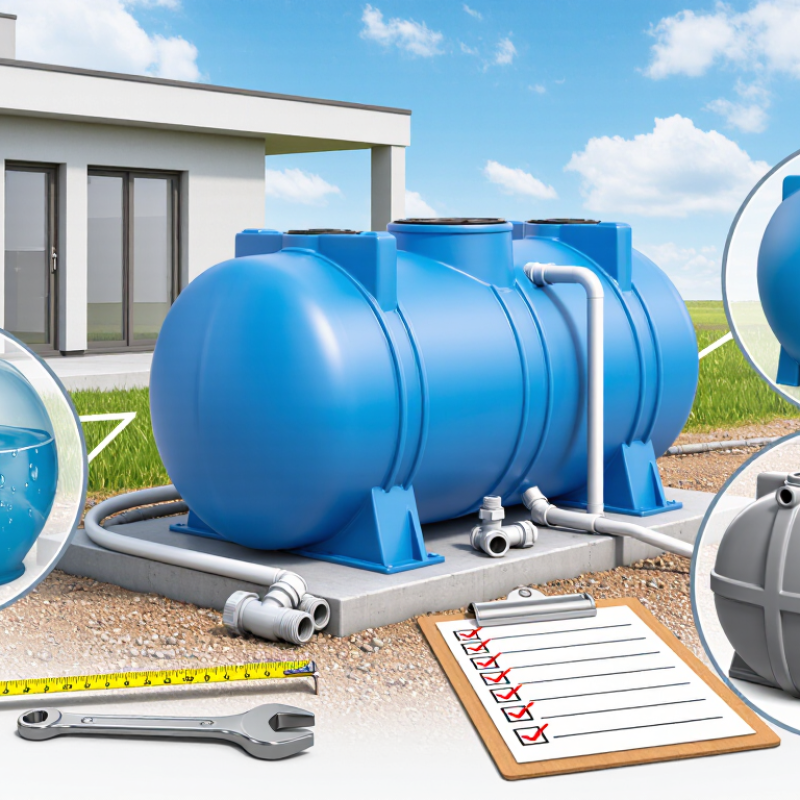
Installation matters. Set the tank on a firm, level base that supports its full footprint; gravel or concrete may be suitable when properly prepared. Keep outlets clear of sharp edges, and allow room for thermal movement and maintenance access. The U.S. EPA’s 2023 Drinking Water Infrastructure Needs Survey and Assessment estimates $625 billion in needs over 20 years. That figure covers public water systems, not poly tanks alone, but it underscores the value of planning for upkeep. Inspect fittings for drips, check supports after settling, and clean the tank as its contents require. Small leaks hide. A checklist helps, though it cannot capture every site-specific wrinkle.

How to Choose the Best Poly Tank

Check the liquid’s specific gravity against the tank’s rated limit. The values below are approximate; concentration and temperature can affect liquid density.

Selection reminder: Specific gravity is only one check. Confirm chemical compatibility and fitting material, provide a level and adequately supported installation surface, and inspect fittings and the tank regularly for leaks, wear, or damage.

Evaluate Safety Standards, Warranty, and Total Cost of Ownership

How to Choose the Best Poly Tanks?

Evaluate Safety Standards, Warranty, and Total Cost of Ownership

A poly tank should match its contents, location, and operating conditions. For vertical polyethylene tanks, check whether the design follows ASTM D1998 and request documentation for the specific model. For drinking-water storage, confirm applicable NSF/ANSI/CAN 61 certification; general-purpose certification is not enough. Ask how the tank handles UV exposure, temperature changes, and the chemicals it will store. A sunny yard and a shaded indoor room are different environments. Small detail, big consequences.

Compare warranties carefully. Check coverage periods, exclusions, and whether installation or chemical exposure can void coverage. Read exclusions. A long warranty does not guarantee a long service life. The U.S. EPA’s 2023 Drinking Water Infrastructure Needs Survey and Assessment estimated $625 billion in drinking-water infrastructure needs over 20 years. That figure is not a tank-cost estimate, but it shows why durable infrastructure matters. Calculate total ownership cost, including freight, site preparation, fittings, inspection, maintenance, and eventual replacement. A lower purchase price can become expensive if the base needs rework or a fitting fails early. Keep the comparison honest: service life depends on use and upkeep, and estimates can be imperfect. I would still verify every assumption with the supplier’s technical documents.