Essential Tips for Choosing the Best Plastic Water Tanks?
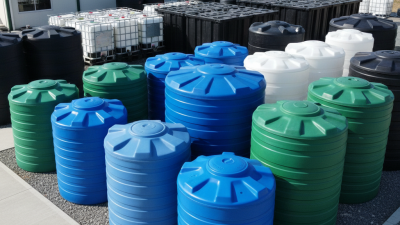
Choosing the right plastic water tanks is crucial for various applications, ranging from residential to agricultural uses. These tanks come in different sizes, shapes, and materials. Understanding your specific needs is essential in making an informed decision. Factors such as durability, UV resistance, and capacity play significant roles in the selection process.
It is important to consider the tank’s intended use. Will it store potable water, or is it for irrigation? Each use case may have different requirements. Additionally, assessing the quality of water that will be stored in these tanks is vital. Poor quality can lead to corrosion and contamination, affecting water safety and usability.
When selecting plastic water tanks, trustworthiness matters. Look for manufacturers with a solid reputation and industry experience. This can guide you towards reliable and durable options. Balancing cost and quality is also necessary. Sometimes, cheaper options may lead to more significant issues later on, highlighting the need for careful consideration in your choice.
Factors to Consider When Selecting Plastic Water Tanks for Storage
When selecting plastic water tanks for storage, several factors should be taken into account.
The tank material is crucial. High-density polyethylene (HDPE) is a common choice.
It resists UV rays and is durable against impact. Look for tanks that meet FDA standards for safe water storage.
A report by the Plastic Water Storage Survey indicates that tanks made from HDPE can last over 30 years when properly maintained.
Size matters; it should align with your storage needs. For residential use, a 500 to 2,000-gallon capacity is often sufficient.
However, consider future needs. It’s worth noting that larger tanks can occupy more space.
The location for installation can also influence your choice, as factors like access and ground stability are important.
Regular maintenance is key to extending the life of your tank. Check for leaks and sediment buildup.
Indoor tanks often require less maintenance compared to outdoor ones. Isolation from sunlight can prevent algae growth.
Always choose a tank with a robust warranty. This typically reflects the manufacturer's confidence in their product's quality and durability.
Understanding Different Types of Plastic Materials Used in Water Tanks
When selecting plastic water tanks, understanding the materials is key. Common plastics used include polyethylene, polypropylene, and PVC. Polyethylene is widely favored for its durability, resistance to UV rays, and affordable cost. Industry reports indicate that polyethylene tanks can last over 30 years with proper care. This longevity is essential in reducing replacement frequency and maintenance costs.
Polypropylene offers higher temperature resistance, making it suitable for specific applications. However, it's typically more expensive than polyethylene. Some studies suggest that while polypropylene tanks may provide better performance in extreme conditions, they can be less accessible for the average consumer. It's vital to weigh the cost against the operational needs.
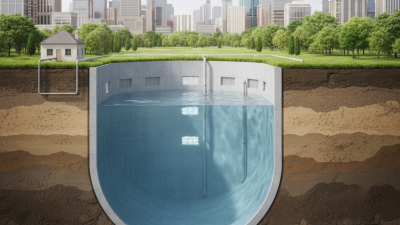
PVC, on the other hand, is often used for smaller tanks and underground systems. While it is sturdy, concerns have been raised about its ability to handle extreme weather changes. With proper inspection and upkeep, PVC can be reliable, though it may not have the lifespan of polyethylene. When choosing a tank, consider factors such as cost, expected lifespan, and specific application to make an informed decision. Each material has strengths and weaknesses, making personal needs paramount in the selection process.
Essential Tips for Choosing the Best Plastic Water Tanks
This chart illustrates the percentage of different types of plastic materials used in water tanks. Understanding these materials can help you choose the best plastic water tank for your needs.
Evaluating Tank Capacity: How Much Water Do You Really Need?
Choosing the right plastic water tank begins with understanding how much water you truly need. Many people overlook their actual consumption. Start by analyzing your daily water usage. Consider factors like household size, gardening needs, and emergency storage requirements. This assessment helps ensure you select a tank that adequately supports you without unnecessary overcapacity.
Tank capacity is often influenced by regional factors. If you live in an area with seasonal droughts, a larger tank might be prudent. Conversely, urban settings may not need extensive storage. It's wise to factor in local rainfall patterns. Water conservation practices can also reduce your needs. If your goal is efficient use, even a modest tank can suffice.
Evaluate whether your lifestyle might change soon. Are you planning to expand your family? Will you start a new hobby that requires more water? Being mindful of these aspects prevents future regret. Investing in a tank that might be too large can lead to wasted resources. Stay thoughtful about your current and future needs for the best choice.
Assessing UV Resistance and Durability in Outdoor Water Tanks
When selecting plastic water tanks for outdoor use, UV resistance is crucial. Exposure to sunlight can lead to degradation over time. Tanks without adequate UV protection become brittle and lose structural integrity. This can result in leaks or even tank failure, compromising water quality and safety.
Durability is another vital consideration. Tanks must withstand various environmental conditions, from extreme heat to freezing temperatures. Evaluating materials is important; not all plastics are created equal. Some are designed to endure harsh weather, while others may crack or become discolored. Opting for tanks engineered for longevity is an essential step in safeguarding your investment.
Additionally, it is wise to review maintenance requirements. Some tanks need regular inspections and repairs. Being proactive can save you time and money. Consider how often you can check on your tank’s condition. Small cracks can lead to bigger problems if not addressed promptly. A well-maintained tank can last many years, ensuring that your water supply remains clean and safe for use.
Essential Tips for Choosing the Best Plastic Water Tanks
| Dimension |
Specifications |
UV Resistance |
Durability Rating |
| 500 Liters |
Polyethylene, Vertical Tank |
High UV Stabilization |
8/10 |
| 1000 Liters |
Polypropylene, Horizontal Tank |
Moderate UV Resistance |
9/10 |
| 2000 Liters |
High-Density Polyethylene, Vertical |
Excellent UV Protection |
10/10 |
| 3000 Liters |
Reinforced Polyethylene, Above Ground |
High UV Resistance |
9/10 |
| 5000 Liters |
Polyethylene, Underground Tank |
High UV Resistance |
10/10 |
Cost Analysis: Budgeting for Quality Plastic Water Tanks
When budgeting for plastic water tanks, understanding the cost is critical. High-quality tanks can vary greatly in price. Factors include capacity, materials, and designs. Consider how long you plan to use the tank. A durable option may be a better investment over time than a cheaper alternative.
Selecting the right supplier is essential. Check their reputation. Look for reviews or testimonials. This can provide insights into the quality and service you can expect. Don't overlook the importance of warranties. A strong warranty can save you money if issues arise.
Think about additional costs too. Installation and maintenance can add to your budget. Evaluate the overall cost versus the benefits. Sometimes, spending a bit more initially can reduce future expenses. Remember to reflect on what features you truly need. This helps avoid overspending on unnecessary extras.