How to Choose the Right Plastic Water Tanks for Your Needs?
Choosing the right plastic water tanks for your needs is essential for various applications. According to a report by the Global Market Insights, the plastic water tank market is projected to grow significantly in the coming years. This growth is driven by the increasing demand for durable and cost-effective water storage solutions.
Plastic water tanks offer advantages such as lightweight, corrosion resistance, and ease of installation. However, not all tanks are suitable for every situation. The variety of materials and designs can be overwhelming. Understanding the specific requirements for your intended use is crucial. For example, some tanks are better suited for residential use, while others are designed for agricultural or industrial applications.
It is worth noting that the longevity and reliability of plastic water tanks can vary. Factors such as UV radiation exposure and chemical compatibility play significant roles in their effectiveness. Therefore, careful consideration of these elements can prevent future issues. Choosing wisely ensures that you meet both your immediate and long-term water storage needs effectively.
Understanding the Different Types of Plastic Water Tanks Available
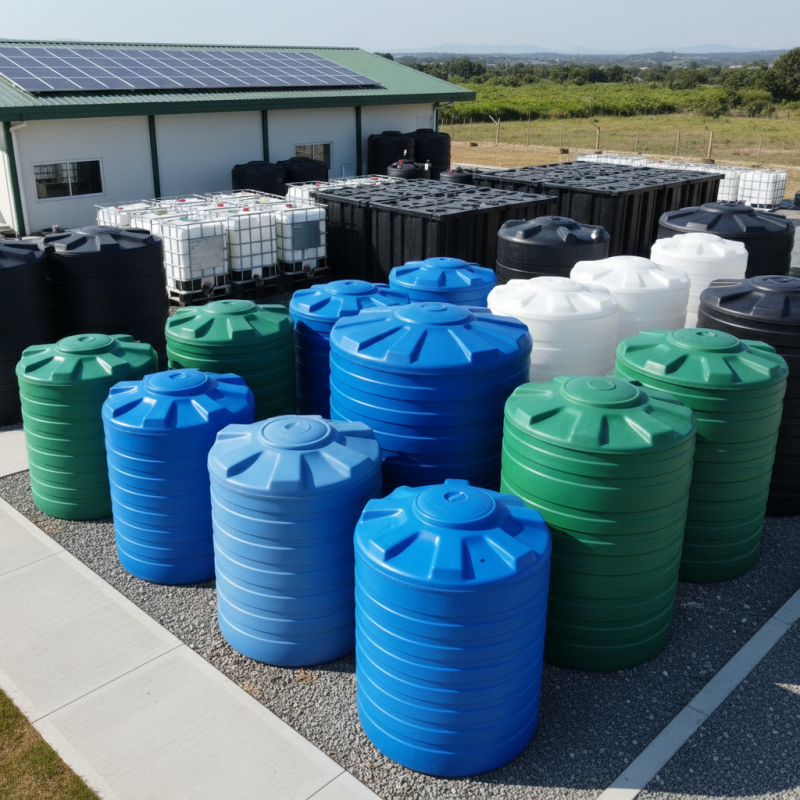
When choosing plastic water tanks, understanding the different types available is essential. There are several categories, including vertical, horizontal, and underground tanks. Each type serves a unique purpose and should be selected based on your specific needs.
Vertical tanks are ideal for limited spaces and can hold a substantial amount of water. Horizontal tanks are often used for transport and can fit better in tight areas. Underground tanks save space and protect the water from freezing.
Tips: Assess your space limitations before selecting. Consider how much water you need, and plan for future usage.
Material quality is also a key factor. High-density polyethylene (HDPE) is common, as it is sturdy and resistant to UV rays. Some tanks may not have adequate barriers against rust or wear, so research the options. This diligence can help you avoid costly mistakes later.
Tips: Look for reviews about the tank's longevity. Ask experts about the best materials for your environment.
Always check if the tank meets regulatory standards for safety and durability. This can prevent health risks and ensure a reliable water supply. Not every tank is suitable for drinkable water. Understanding these essentials can lead you to a better decision.
Assessing Your Water Storage Needs and Requirements
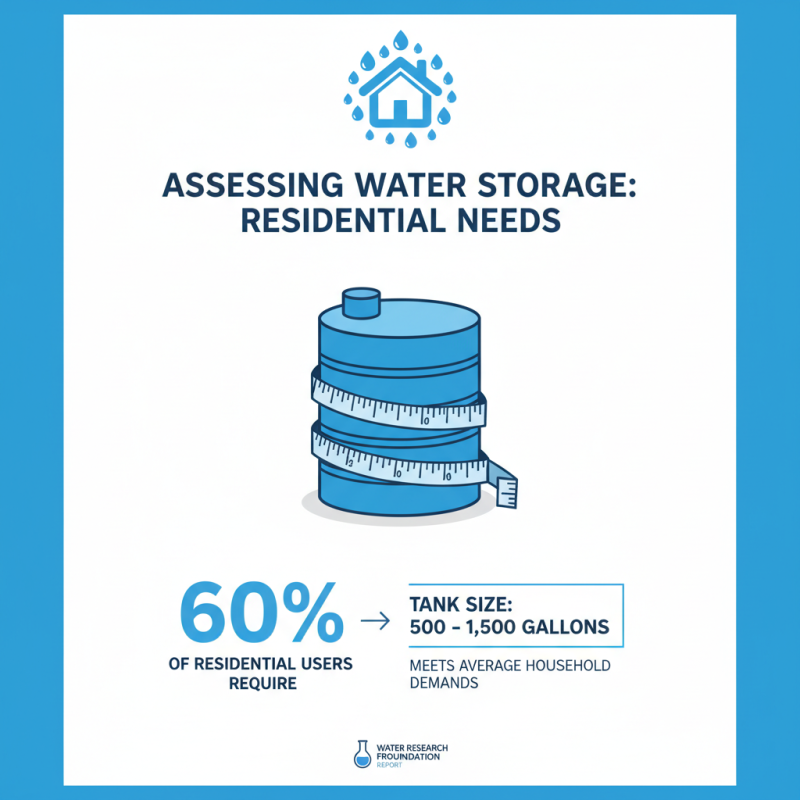
When assessing your water storage needs, understanding your requirements plays a crucial role. The size of the tank is essential. A report from the Water Research Foundation indicates that 60% of residential users require tanks that hold between 500 to 1,500 gallons. This range can effectively meet average household demands.
Location and climate also matter. For example, in colder regions, larger tanks are essential for maintaining temperature. The tank material affects durability too. High-density polyethylene (HDPE) tanks are resistant to UV rays and corrosion, making them ideal for outdoor use. However, they can be vulnerable to impact. It's important to assess where and how a tank will be used.
Consider your intended use: potable or non-potable water. A study by the American Water Works Association shows that about 30% of consumers are unaware of their local water quality standards, which can influence their choice. Be cautious about the tank’s capacity and design. Not all tanks are designed for all purposes, and selecting one improperly may result in water stagnation or contamination. Balancing your specific needs with these considerations is key to making an informed decision.
Evaluating Tank Size, Shape, and Capacity for Your Space
Choosing the right plastic water tank involves careful evaluation of size, shape, and capacity. Consider your available space. Measure the area where you plan to place the tank. This ensures it fits comfortably and does not overwhelm your surroundings. A tank that is too large might restrict movement. A smaller tank may not meet your needs. Visualizing the tank in your space can be helpful.
Shape matters as well. Tanks come in rectangular, cylindrical, and other shapes. Rectangular tanks might fit better in narrow spaces. Cylindrical tanks often offer stability and can be more aesthetically pleasing in a garden setting. Think about how the shape complements the environment.
Capacity is crucial. Determine your water usage needs. A tank that holds too little water requires frequent refills. Conversely, a very large tank may cause water stagnation. This raises maintenance concerns. You might find yourself cleaning more often. Evaluate how the tank capacity aligns with your lifestyle. Balancing these factors will help you select the right tank for your specific needs.
Considerations for Selecting Quality and Durability in Plastic Tanks
When selecting plastic water tanks, quality and durability are paramount. Choose tanks made from high-density polyethylene (HDPE) as they resist UV rays and chemicals. The thickness of the tank walls also impacts strength. Thicker walls last longer and are less likely to crack or deform. An important feature is the tank’s design. Ensure it has a proper venting system to prevent pressure buildup.
Tips for selection: Check for certifications. Look for tests that ensure the tank meets safety standards. A reliable warranty often indicates the manufacturer's confidence in quality. Consider the tank's intended use. Drinking, irrigation, or industrial processes all have different requirements.
Avoid tanks that seem too cheap. Low prices can signal inferior materials. It's wise to research the manufacturer’s reputation. User reviews provide insight into long-term performance. Remember, reputation matters in ensuring you get a durable and reliable tank. Think critically about your choice. Sometimes, the most popular option might not be the best fit for your needs.
Factors Influencing Cost and Budget for Water Tank Purchase
When choosing a plastic water tank, several factors influence the cost. Size is one of the main components impacting the budget. Larger tanks hold more water but cost significantly more. For example, a smaller tank may suffice for a household, while agricultural needs could demand much larger capacities.
Materials and construction quality also affect pricing. More durable tanks, which resist UV damage and cracking, may have a higher initial cost. Think about the long-term benefits. Investing in a quality tank could save money on repairs later.
Installation costs can vary widely, too. Some tanks are easier to install, requiring minimal site preparation. Others may need extensive groundwork and technical knowledge. Evaluating these factors helps in determining a realistic budget. Consider your long-term water usage requirements to make an informed decision.
How to Choose the Right Plastic Water Tanks for Your Needs?
| Tank Capacity (Gallons) |
Material Type |
Average Cost (USD) |
Lifespan (Years) |
Common Applications |
| 50 |
Polyethylene |
$150 |
10 |
Residential |
| 100 |
Polyethylene |
$250 |
10 |
Agricultural |
| 250 |
Polyethylene |
$500 |
10 |
Commercial |
| 500 |
Polypropylene |
$800 |
15 |
Industrial |
| 1000 |
Polyethylene |
$1200 |
10 |
Irrigation |