Best Water Storage Tanks for Efficient Water Management?
Water scarcity is a growing concern worldwide. Effective water management is crucial for sustainability. One key solution is using water storage tanks. These tanks provide a reliable way to store and utilize water for various needs, from agricultural to residential.
Choosing the right water storage tanks can seem overwhelming. There are many options available in different sizes and materials. Factors like climate, usage, and space must be considered. Making the right choice can greatly impact efficiency and resource conservation.
Understanding the features that distinguish high-quality tanks from others is essential. Durability and ease of maintenance are critical factors. Researching and comparing your options can lead to better water management practices. Investing time in this process pays off, enhancing not only efficiency but also reliability in water supply.
Types of Water Storage Tanks and Their Applications
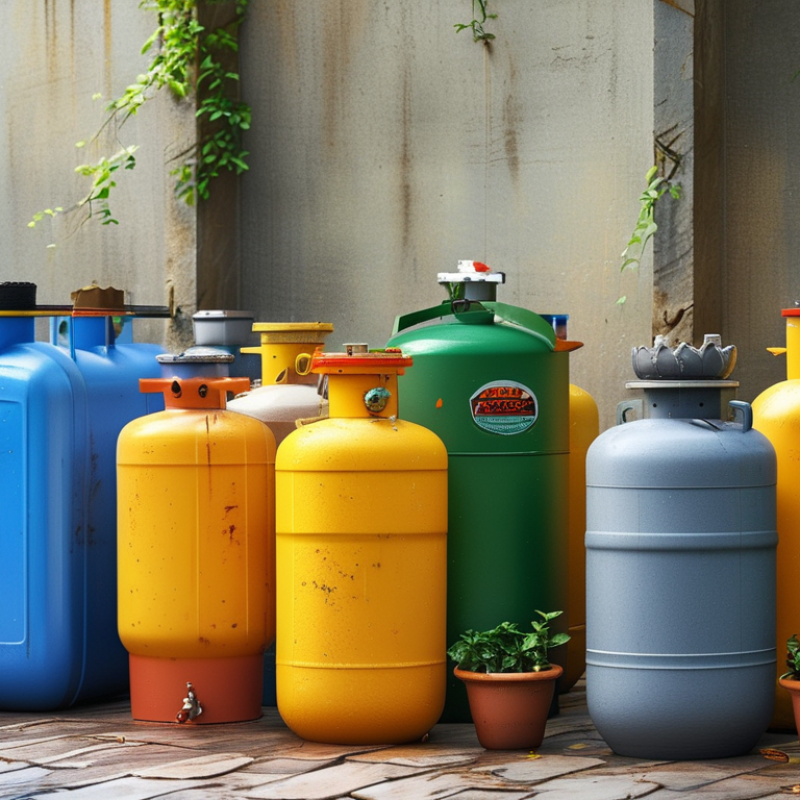
Water storage tanks come in various types, each serving distinct purposes in water management. For instance, polyethylene tanks are widely used for residential storage. They are lightweight and resistant to corrosion. Their durability makes them a popular choice for homeowners. However, they may not be suitable for drinking water due to potential leaching issues.
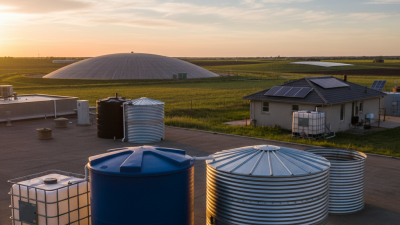
Concrete tanks are another option. They offer high capacity and strength, ideal for agricultural use. These tanks can hold large volumes, making them efficient for irrigation. However, their installation can be labor-intensive and costly. Steel tanks are also prevalent, especially in industrial settings. They are robust but may require regular maintenance to prevent rust. Each type presents advantages and challenges. Choosing the right one is crucial.
Understanding the specific application of each tank type is essential for effective water management. Water quality, capacity needs, and location should drive the decision. The implications of using one tank over another can affect overall efficiency in water use. Careful consideration and professional input help determine the best solution for varied needs.
Factors to Consider When Choosing a Water Storage Tank
Choosing the right water storage tank involves several critical factors. One important aspect is the material of the tank. Tanks are often made from polyethylene, fiberglass, or steel. Each material has its own pros and cons. For instance, polyethylene tanks are lightweight and resistant to corrosion but may not withstand extreme temperatures. Fiberglass tanks offer durability and can handle various weather conditions. According to industry reports, around 30% of municipal water systems face challenges due to inadequate tank material.
Another significant consideration is the size of the tank. It should align with your water usage needs and space availability. A study by the American Water Works Association indicates that proper sizing can improve water conservation by up to 25%. Oversized tanks can lead to stagnation and decreased water quality. Conversely, tanks that are too small may not meet demand, leading to potential shortages during peak usage times.
Lastly, think about the tank's location. Proper placement can greatly affect accessibility for maintenance. Vulnerability to environmental factors, such as flooding or extreme weather, should also be analyzed. Regular inspections and maintenance schedules are vital for ensuring longevity. A report from the Environmental Protection Agency noted that neglecting maintenance can result in a 35% reduction in tank efficiency. Making informed decisions about these factors enhances effective water management strategies.
Best Water Storage Tanks for Efficient Water Management
| Tank Type |
Material |
Capacity (Liters) |
Height (m) |
Diameter (m) |
Cost ($) |
Applications |
| Vertical Tank |
Polyethylene |
1000 |
2.0 |
1.2 |
250 |
Residential Water Storage |
| Horizontal Tank |
Fiberglass |
2000 |
1.5 |
1.5 |
700 |
Farm & Agricultural Use |
| Above-Ground Tank |
Steel |
5000 |
3.0 |
2.5 |
1500 |
Industrial & Commercial |
| Underground Tank |
Polyethylene |
15000 |
5.0 |
3.0 |
3200 |
Municipal Water Supply |
Advantages of Using Water Storage Tanks for Water Management
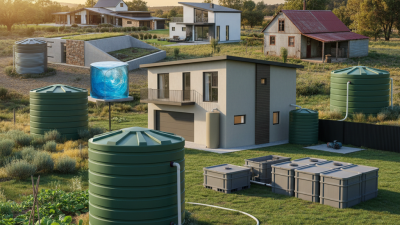
Water storage tanks offer significant advantages for efficient water management. They provide a reliable way to store water, ensuring availability during dry spells or emergencies. These tanks can efficiently harness rainwater, reducing dependency on mains water supply. This is especially crucial in areas facing water scarcity or fluctuating supply.
Utilizing storage tanks also promotes better resource management. Collecting and storing water can lead to lower utility bills. Homeowners can use this water for irrigation, toilet flushing, or other non-potable needs. By reusing water, communities foster sustainability. However, proper maintenance is crucial. Tanks can become breeding grounds for pests if not regularly cleaned. This raises questions about water quality and safety.
Investing in these tanks contributes to long-term savings and environmental health. However, initial costs and space requirements must be considered. Finding the right size and type can be challenging. Each situation has unique needs that must be addressed thoughtfully. A well-planned approach can greatly enhance a household's or community’s water management strategies.
Maintenance Tips for Ensuring Longevity of Water Storage Tanks
Maintaining water storage tanks is crucial for their longevity and efficiency. Regular inspections are essential. Check for leaks, corrosion, or sediment build-up. These issues can compromise the tank’s function and lead to costly repairs. A simple visual inspection can reveal early signs of trouble. Make it a habit to assess the condition of your tank every few months.
Cleaning your tank is another important step. Look to flush out sediments that settle at the bottom. This action should be done at least once a year. Consider using a non-toxic cleaner to ensure water safety. Sometimes, tanks can accumulate a layer of algae or bacteria, which can affect water quality. It’s better to act before these become significant problems.
Additionally, ensure your tank is properly insulated. Extreme temperatures can damage the structure and affect the water inside. Check the insulation material regularly. If it shows signs of wear, replace it promptly. Some minor repairs can be done yourself, but don’t hesitate to call a professional when needed. Being proactive can save time and money in the long run.
Innovations in Water Storage Technology for Improved Efficiency
Innovations in water storage technology are crucial for enhancing efficiency in water management systems. Recent reports indicate that smart water tanks, equipped with IoT sensors, can reduce water waste by up to 30%. These sensors track water levels, detect leaks, and measure water quality in real time. As a result, users can respond quickly to potential issues, minimizing the risk of contamination and loss.
Another development is the use of advanced materials in tank construction. For instance, fiberglass and polyethylene tanks are becoming more prevalent due to their durability and resistance to corrosion. Studies show these materials can extend the lifespan of water storage solutions by 50% compared to traditional steel tanks. However, the high initial cost of these materials poses a challenge for widespread adoption.
Rainwater harvesting systems are also emerging as a vital technology. They can provide an alternative source, reducing dependence on municipal water supplies. In urban areas, implementing such systems can lead to a decrease in demand by around 20%. Yet, some systems struggle with maintenance and efficiency, underscoring the need for ongoing innovation and user education. Balancing cost and efficiency remains a critical area for development in this evolving landscape.