Why Choose Plastic Septic Tanks for Your Property?
Choosing a septic tank is a long-term property decision, not just a materials choice. Plastic septic tanks are often considered because they are lightweight and resist rust. On a sloped driveway or a tight installation site, easier handling can matter. But a lighter tank still needs careful installation.
The U.S. Environmental Protection Agency (EPA) estimates that more than one in five U.S. households uses septic systems. That figure, reported in the EPA’s Septic Systems Overview, shows how many properties depend on onsite wastewater treatment. For owners, the tank is a buried part of an essential system. Its condition can affect maintenance needs, household routines, and the surrounding property.
Plastic tanks may suit some sites, but they are not automatically the right choice. Soil conditions, groundwater levels, vehicle loads, and local installation requirements all matter. High groundwater, for example, can create buoyancy concerns if a tank is not installed as directed. Check the site first. Compare the manufacturer’s structural ratings, installation guidance, and warranty—not just the purchase price. A licensed onsite wastewater professional can help assess those details for a specific property.
There is a practical trade-off here. A lighter tank can be easier to move, yet that does not remove the need for sound bedding and correct backfilling. I would not choose a tank from material claims alone. The best fit depends on the site, the system design, and who will install it.
What Plastic Septic Tanks Are and How They Function
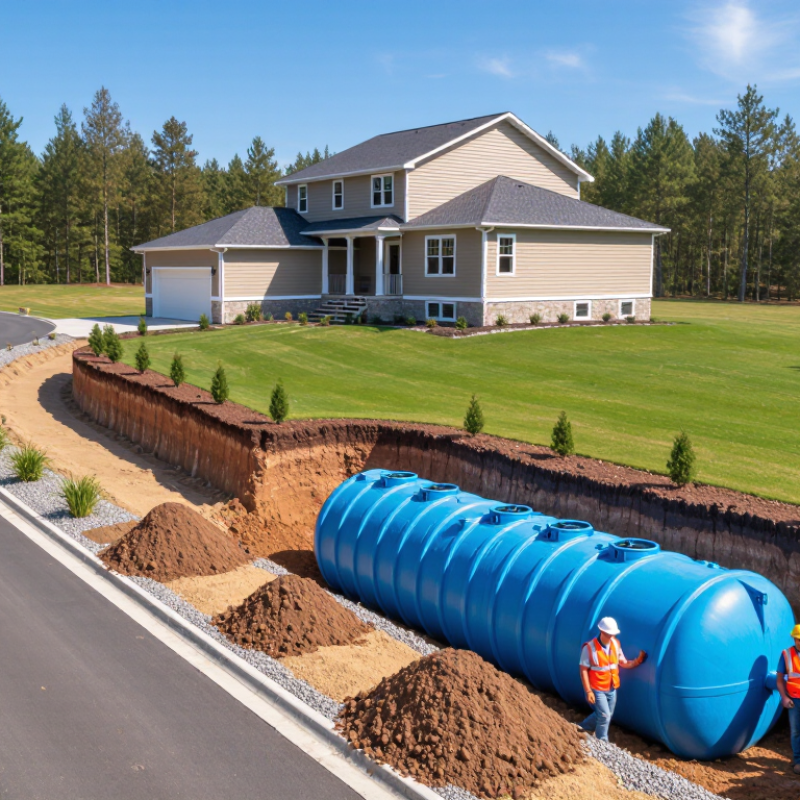
A plastic septic tank is a sealed, buried vessel that holds household wastewater before it moves to a soil treatment area. Its molded walls are usually lighter than concrete, which can make transport and placement easier. The tank still needs a stable, properly prepared base. Installation details matter.
Wastewater enters through an inlet pipe and slows inside the tank. Heavier solids settle into a sludge layer, while fats and lighter materials collect as scum near the surface. Baffles or tees help keep these layers from flowing directly toward the outlet. In the quieter middle layer, naturally occurring bacteria break down some organic matter. They do not make the water safe to discharge on its own.
Partly clarified liquid leaves through the outlet and flows to a drain field or another approved treatment system. That next stage is essential: soil helps filter and further treat the effluent. Plastic tanks can resist corrosion, but they are not indestructible. Ground movement, poor bedding, or high groundwater can create problems, including flotation if the tank is not secured as specified. A level check, sound pipe connections, and access for inspection are practical details worth verifying. The tank may look simple underground. Its performance depends on the whole system, not just the shell.
Why Choose Plastic Septic Tanks for Your Property?
What Plastic Septic Tanks Are and How They Function
Wastewater flows into the septic tank, where heavier solids settle and lighter materials rise to the surface. The partially clarified liquid then exits toward the drainfield for further treatment. This chart uses a common planning estimate of 150 gallons per bedroom per day to illustrate the wastewater flow a household system may need to handle. Actual use and design requirements vary by household and local regulations; the chart does not specify tank capacity.
Key Advantages of Plastic Septic Tank Construction
Plastic septic tanks are valued for their low weight and resistance to corrosion. Compared with concrete tanks, they are easier to transport and position, which can help when a property has a narrow driveway or limited equipment access. Less lifting is needed. Their nonporous surfaces do not rust, and they avoid the cracking and surface wear that can affect concrete over time.
The material still needs careful installation. A lightweight tank can shift or deform if the soil is poorly compacted, groundwater is high, or backfill is added unevenly. Site conditions matter. A qualified installer should check soil, water levels, access, and the tank’s burial specifications before work begins. Plastic construction can also make inspection points easier to handle, but lids and risers must remain accessible and properly sealed. One detail is easy to overlook: a suitable tank design cannot compensate for rushed preparation. The right tank size and installation method should match household use and local requirements.
Why Choose Plastic Septic Tanks for Your Property? - Key Advantages of Plastic Septic Tank Construction
| Key Factor |
Potential Advantage of Plastic Construction |
Practical Consideration |
| Weight and handling |
Plastic tanks are generally lighter than concrete tanks of comparable capacity, which can make transportation and positioning easier. |
Site access, lifting equipment, excavation conditions, and the tank’s dimensions still affect installation requirements. |
| Corrosion resistance |
Plastic does not rust, and it is not subject to the same type of reinforcement corrosion that can affect concrete exposed to wastewater gases. |
Use a tank made from materials approved for septic service, and follow the manufacturer’s guidance for handling and installation. |
| Watertight construction |
A molded plastic tank can be manufactured as a single body, reducing the number of body joints that may need sealing. |
Inlet and outlet connections, access covers, and other fittings must still be installed and maintained correctly. |
| Interior surface |
A smooth, nonporous interior surface does not absorb moisture in the way some porous construction materials can. |
All septic tanks require routine inspection and pumping based on household use and local recommendations. |
| Installation flexibility |
The lighter construction may be helpful on sites where moving heavy materials is difficult or where access is limited. |
Tank depth, soil conditions, groundwater, traffic loads, and local regulations determine whether a particular model is suitable. |
| Buoyancy and anchoring |
Light weight can simplify handling, but it also means an empty tank may be more vulnerable to movement in high groundwater. |
Where groundwater or flooding is a concern, proper bedding, backfill, and any required anchoring must follow the approved installation plan. |
| Structural loading |
Plastic tanks can be a practical option when installed in conditions specifically allowed by their design and rating. |
Do not assume a standard tank can support vehicle loads or deep burial. Select a rated model and observe cover-depth limits. |
| Code compliance |
Plastic septic tanks are available in a range of designs and capacities for different property needs. |
Confirm that the tank is approved for the intended use and capacity by the relevant local authority before purchase or installation. |
Suitability depends on the specific tank design, site conditions, installation method, and local requirements. Consult a qualified septic professional or local authority for project-specific guidance.
Factors That Affect Suitability for a Property
A plastic septic tank may suit a property where access is tight and a lighter tank is easier to move into place. But the site matters more than the material alone. Check the soil, groundwater level, slope, and distance from buildings before choosing a tank. Clay can drain slowly, while sandy soil may need careful attention to excavation and backfill. Small details matter. A tank that fits the household’s daily water use may still be unsuitable if the ground stays wet after rain.
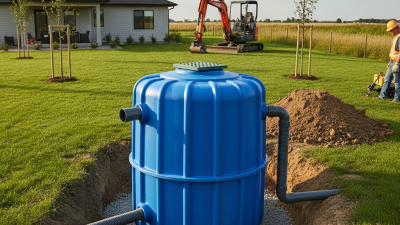
High groundwater can push an empty or partly empty plastic tank upward unless installation includes suitable anchoring and backfill. Ask an experienced installer how the tank will be secured, and whether the excavation can support it without uneven pressure. A narrow driveway may favor a lightweight tank, but the delivery route and room for machinery still need checking. It is easy to focus on purchase price; I would not. Poor site preparation can lead to movement, damaged pipe connections, or costly repairs.
Capacity should reflect household size and likely changes, such as adding a bedroom or having frequent guests. Also confirm that the tank’s access covers remain reachable for inspection and pumping, rather than buried under a patio or garden bed. Local installation requirements and soil evaluations vary, so verify them with the relevant authority or a qualified septic professional. A site assessment may change the original plan. That can be frustrating, but it is useful information.
Comparing Plastic Tanks With Concrete and Fiberglass Options
Why Choose Plastic Septic Tanks for Your Property?
Comparing Plastic Tanks With Concrete and Fiberglass Options
Choosing a septic tank means weighing more than its purchase price. Plastic tanks are light, so delivery and placement can be simpler on a tight or hard-to-reach property. That convenience has a trade-off. An empty plastic tank may shift in saturated soil if installation and anchoring are not handled correctly. Soil conditions matter.
Concrete tanks are much heavier and can feel reassuringly solid once installed. Their weight can help resist buoyancy, but transport and excavation may require larger equipment. Concrete can also crack over time, especially if ground movement or poor installation adds stress. Repairs are not always simple. Fiberglass tanks are lightweight and resist corrosion, much like plastic, but they still need careful bedding and protection from surface loads. A tank is not a driveway.
Plastic may suit a site where access is limited, provided the tank’s specifications match the soil, groundwater, and expected traffic above it. Ask an experienced installer about burial depth, anchoring, and inspection access before choosing. Those details are easy to overlook when comparing prices. I would not treat any material as automatically best; even a well-made tank can fail when the site preparation is wrong. Check local requirements and manufacturer installation guidance, then compare the full installed cost rather than the tank alone.
Choosing, Installing, and Maintaining a Plastic Septic Tank
Why Choose Plastic Septic Tanks for Your Property?
Choosing, Installing, and Maintaining a Plastic Septic Tank
Choosing a tank starts with the site, not the price tag. Plastic tanks are lighter to transport and position than concrete models, which can simplify access to a tight yard. That light weight also creates a risk: groundwater can lift an empty tank if installation and anchoring are inadequate. Check soil conditions, seasonal water levels, household capacity, and local requirements with a qualified installer. A tank that fits the opening may still be wrong for the site.
Installation details matter. The excavation should provide stable, even support, and the tank must sit level with its inlet and outlet correctly aligned. Follow the tank’s installation instructions and have a professional check connections before backfilling. Take photos before the trench disappears. They may help later. The U.S. Environmental Protection Agency estimates that about one in five U.S. households relies on septic systems, underscoring the importance of sound installation (EPA, “About Septic Systems”).
Maintenance is simple, but easy to postpone. The EPA recommends inspecting septic systems every one to three years and typically pumping tanks every three to five years, depending on household size, water use, and tank capacity (EPA, “Septic System Maintenance”). Keep vehicles off the drainfield, repair leaks, and avoid flushing wipes or grease. I would not treat those intervals as guarantees; heavy use or warning signs call for earlier inspection. Watch for slow drains, sewage odors, or unusually wet ground near the field, and contact a qualified professional if they appear.