10 Essential Tips for Maintaining Your Poly Septic Tank Efficiency
Maintaining the efficiency of your poly septic tank is crucial for both environmental health and cost-effectiveness. According to the U.S. Environmental Protection Agency, septic systems serve approximately 21% of the U.S. population. With such a significant number relying on these systems, ensuring their upkeep cannot be overlooked.
Poly septic tanks, known for their durability and lightweight properties, require specific maintenance practices to function optimally. Regular pumping, proper waste disposal, and appropriate water usage are vital. Studies show that neglecting these practices can lead to costly repairs and environmental contamination. For instance, a poorly maintained septic tank can leak untreated waste into groundwater, posing health risks.
Homeowners often overlook signs of inefficiency, like slow drains or bad odors. Addressing these issues early can prevent larger, more expensive problems. A proactive approach not only maintains tank efficiency but also extends its lifespan. Engaging with professionals can provide tailored advice for specific situations, ensuring your poly septic tank operates effectively.

Understanding the Basics of Poly Septic Tank Systems
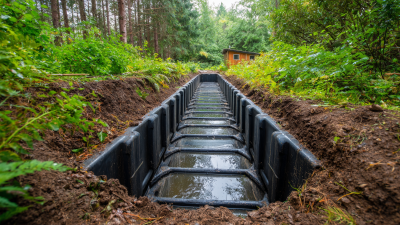
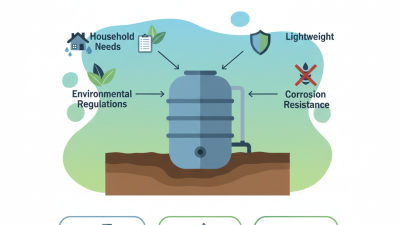
Poly septic tank systems are increasingly popular due to their durability and efficiency. Understanding their components is crucial. Unlike traditional concrete tanks, poly septic tanks are made from polyethylene. This material is lightweight yet resistant to corrosion and cracking. Industry reports show that properly maintained poly tanks can last over 30 years, significantly reducing replacement costs.
Regular maintenance is essential for optimal performance. One key tip is to schedule tank pumping every three to five years. This helps prevent solids from overflowing and clogging your drainage field. Another important aspect is to minimize water usage. High water flow can lead to system overload, reducing efficiency. Try spacing out laundry and shower times. Additionally, avoid flushing harmful chemicals or non-biodegradable items.
Monitoring the health of your septic system can save you money. Regular inspections can identify early signs of problems. If you notice unusual setbacks, like slow drainage, it may indicate issues. Investing in professional consultations can enhance system longevity. By following these practices, homeowners can ensure their poly septic tanks function effectively and sustainably, ultimately benefiting both their environment and wallets.
Signs of Septic Tank Efficiency Degradation
When it comes to maintaining your poly septic tank, recognizing the signs of efficiency degradation is crucial. One common indicator is slow drainage. If your sinks or toilets are taking longer to empty, it might be a red flag. Another sign is foul odors emanating from your yard or tank area. These smells often indicate that something is wrong beneath the surface.
Water pooling around your septic tank can also be problematic. This accumulation can signal overflows or leaks. Furthermore, lush patches of grass around the tank suggest excessive nutrient leaching. These issues may not be easy to spot until they worsen, so regular inspections are vital. Ignoring these signs could lead to costly repairs and environmental harm.
Pay attention to unusual fluctuations in water usage. If your household consumption varies significantly without explanation, it may affect septic function. Consider how many solids are accumulating in your tank. Too much buildup can reduce efficiency. Reflecting on these factors can help you maintain your system's health and extend its lifespan.
Septic Tank Efficiency Monitoring
This bar chart illustrates the efficiency levels of a poly septic tank over the first seven months of the year. As seen in the data, there is a noticeable decline in efficiency from June onwards, indicating potential issues that require attention to maintain optimal function.
Routine Maintenance Practices for Optimal Performance
Maintaining your poly septic tank is crucial for its efficiency and longevity. Regular maintenance practices directly affect how well the system functions. According to the U.S. Environmental Protection Agency, a well-maintained septic system can last over 30 years. Neglect can lead to failures that are costly and disruptive.
One essential tip is to schedule regular inspections. These should occur every 1 to 3 years. An inspection helps identify small issues before they escalate. It’s common for property owners to overlook early signs of failure, such as slow drains or foul odors. Awareness is key to preventing bigger problems.
Another vital practice involves mindful water usage. Excessive water can overload the system, leading to breakdowns. The EPA recommends limiting water to 70 gallons per person daily. This practice can significantly enhance the tank's performance. Monitoring what goes down the drain is also critical. Avoid flushing harmful substances like grease or chemicals, which can damage the system. Small changes in habits can lead to lasting benefits in septic tank efficiency.
Common Mistakes to Avoid in Septic Tank Care
Maintaining a poly septic tank requires more than just routine checks; many homeowners make common mistakes that can lead to efficiency issues. One prevalent error is overloading the system with excessive waste. According to the Environmental Protection Agency (EPA), a well-maintained septic system can handle 400-600 gallons per day for an average household. Exceeding this limit can slow down the treatment process and lead to clogs.
Ignoring maintenance schedules is another frequent oversight. Regular pumping, typically recommended every three to five years, is essential to prevent solids from overflowing into the drain field. A study by the National Small Flows Clearinghouse indicates that neglecting scheduled pump-outs can significantly decrease the tank's lifespan, often leading to costly repairs.
Lastly, improper disposal of household chemicals can harm the tank’s ecosystem. Many homeowners mistake their septic system for a trash can, flushing items like wipes or chemicals. This practice disrupts the beneficial bacteria needed for waste breakdown. Research shows that introducing harmful substances can reduce system efficiency by up to 50%. By recognizing these errors, homeowners can better preserve their poly septic tanks and ensure long-term functionality.
When to Seek Professional Help for Septic System Issues
Understanding when to seek professional help for your poly septic tank is crucial. Regular maintenance is essential, but you may encounter issues beyond your expertise. Slow drains or backed-up toilets are signs that something is wrong. If your tank overflows, immediate action is necessary. A professional can diagnose the problem accurately.
Unpleasant odors around your yard can indicate a potential failure. If you notice sewage pooling, it’s time to call in experts. They can assess damage and provide solutions. Ignoring these signs can lead to costly repairs or health hazards.
Do not hesitate to reach out for assistance. Waiting too long might worsen the situation. Trust experiences from others who faced similar issues. Your septic tank is vital for home hygiene. Proper care requires vigilance and professional support when needed. Regular inspections by certified technicians help maintain efficiency and prevent future problems.