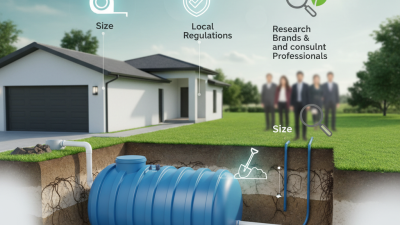
Top 10 Tips for Choosing the Best Plastic Septic Tanks?
Choosing the right plastic septic tanks is crucial for your property. These tanks play a vital role in managing wastewater efficiently. With the right choice, you ensure proper waste treatment and environmental safety.
There are many options available. This makes the selection process overwhelming. You may encounter various sizes, designs, and materials. Understanding these factors is essential. Not all plastic septic tanks are created equal, and quality varies significantly. Checking for certifications and durability can save future headaches.
When selecting a tank, consider your needs carefully. Evaluate your household size and the soil conditions in your area. A mismatch here could lead to failures, costly repairs, and environmental hazards. Take your time and keep these tips in mind. A well-informed choice will lead to a long-lasting solution for your septic needs.
Understanding the Purpose and Function of Plastic Septic Tanks
Plastic septic tanks serve a crucial role in wastewater management, particularly for homes and small businesses. They are designed to hold waste and promote the separation of solids and liquids. This process allows for relatively safe disposal or further treatment of wastewater, minimizing environmental impact.
According to the United States Environmental Protection Agency (EPA), proper septic tank maintenance is vital for preventing groundwater contamination. Reports indicate that approximately 20% of U.S. households rely on septic systems. This underscores the importance of selecting durable and efficient tanks. Plastic tanks are popular due to their resistance to corrosion and ease of installation. They can withstand varying soil conditions and are often lighter than traditional concrete options.
However, not all plastic tanks are created equal. Some may face structural integrity issues over time. Factors like UV exposure can weaken these materials. Homeowners should consider tanks that meet rigorous industry standards to ensure longevity. Moreover, consulting with professionals can provide insights into the right tank size and design for specific needs. Decisions based solely on price may lead to future complications, highlighting the need for thorough research.
Evaluating Material Quality and Durability of Septic Tanks
When selecting a plastic septic tank, evaluating material quality and durability is crucial. According to industry reports,
high-density polyethylene (HDPE) is one of the most favored materials due to its resistance to corrosion and impact.
HDPE typically has a longer lifespan, with some tanks lasting over 30 years. Poor-quality materials, however, can lead
to cracks and leaks, which are costly to repair or replace.
Durability is not solely about material choice. The manufacturing process also plays a significant role. Tanks produced
via rotational molding generally exhibit better strength and uniformity. Independent studies indicate that these tanks
can outperform those made through injection molding. Buyers should request certifications or performance data to
ensure the tank meets industry standards.
It's essential to recognize that even the best materials may have flaws. Improper installation can compromise durability.
The surrounding soil conditions can also affect the tank's lifespan. Regular inspections are necessary to ensure the
septic system remains functional. Investing in a high-quality septic tank is just one part of maintaining a reliable sewage system.
Comparing Sizes and Capacities for Specific Household Needs
Choosing the right size and capacity for a plastic septic tank can greatly impact your household's wastewater management. Most septic tanks typically range from 1,000 to 2,500 gallons. The ideal size depends on the number of bedrooms in your home. Research suggests that a household with three bedrooms may require a 1,500-gallon tank, while larger homes may need up to 2,000 gallons. This size ensures efficient treatment and reduces the risk of system failure.
Capacity is essential, as it determines how long the tank can function without needing emptying. According to the Environmental Protection Agency (EPA), the performance of a septic system can decline if it receives more wastewater than it can handle. Regular maintenance is crucial. Also, consider the tank's drain field size. The drain field must be appropriately sized for the tank to function correctly.
You should also factor in household water usage. A family of four typically generates around 400 gallons of wastewater daily. With this in mind, smaller tanks may require more frequent pumping. Remember the installation process. It’s crucial to consult with professionals to ensure proper placement and compliance with local regulations. Not considering these specifics may lead to costly mistakes in the long run.
Top 10 Tips for Choosing the Best Plastic Septic Tanks
Assessing Installation Requirements and Maintenance Considerations
When selecting a plastic septic tank, assessing installation requirements and maintenance considerations is crucial. Proper installation ensures the longevity and efficiency of the system. Researchers indicate that nearly 30% of septic systems fail due to improper installation. It’s vital to consider local regulations and soil conditions. Engaging with local authorities can help clarify these factors.
Consider the size of the tank based on the household's needs. A larger tank may be required for larger families or properties. Many experts suggest a minimum capacity of 1,000 gallons for a single-family home. Moreover, it's important to ensure that the installation area is accessible for maintenance equipment. This prevents future costs related to difficult access.
Regular maintenance is another critical aspect. The Environmental Protection Agency advises septic tank pumping every 3 to 5 years. This keeps the system running smoothly. Homeowners should also watch for signs of failure, such as foul odors or slow drainage. These indicators may require immediate attention to avoid costly repairs. Ensuring the proper installation and maintenance can lead to an efficient septic system that supports a healthy environment.
Exploring Local Regulations and Compliance for Septic Systems
When selecting a plastic septic tank, understanding local regulations is crucial. Many regions impose strict guidelines on septic systems to protect groundwater. According to the Environmental Protection Agency (EPA), about 25% of American households rely on these systems. This statistic underscores the importance of compliance with regulations.
Local regulations can dictate tank size, installation methods, and monitoring requirements. For example, some areas require permits prior to installation. These permits often encompass environmental assessments to ensure that tanks do not adversely affect local ecosystems. Neglecting to adhere to these regulations can lead to costly fines and, worse, environmental damage.
Homeowners must also consider the long-term maintenance of their septic systems. Regular inspections can prevent serious failures. The National Onsite Wastewater Recycling Association recommends an inspection every three years. This proactive approach aids in compliance and prolongs the lifespan of the septic system, ensuring reliability and safety. As the world faces increasing demands for clean water, adhering to local regulations becomes a shared responsibility that benefits both homeowners and the community.