Top Water Tank Manufacturers in China for Global Buyers
China has become a major sourcing destination for water tanks used in homes, farms, factories, and municipal projects. Its manufacturers offer HDPE, GRP, stainless steel, and sectional steel tanks for different water storage demands. However, lower pricing should never replace technical judgment.
Peter Gleick, a respected water policy expert, once said, “The world’s water crisis is not about too little water, but about how we manage it.” His observation also applies to tank selection. A suitable tank must protect water quality, withstand local weather, and fit the project’s installation conditions. Rooftop tanks may need stronger UV resistance. Industrial tanks may require chemical compatibility, reinforced seams, and customized fittings. Potable water projects also deserve careful attention to approved materials and hygienic production.
This guide reviews leading Chinese manufacturers from a global buyer’s perspective. It considers product range, factory capability, quality controls, export experience, customization, and communication. Factory audits, sample testing, welding checks, and certification reviews can reveal details that brochures often miss. Shipping distance, packaging strength, spare parts, and after-sales support also influence the real purchase cost.
No shortlist is perfect. A supplier with excellent technical equipment may communicate poorly. Another may offer attractive prices but limited documentation. That is why buyers should compare evidence, not promises. The manufacturers discussed here represent useful starting points, not automatic recommendations. Real project conditions still matter. A tank that performs well in one climate may fail elsewhere without proper design, installation, or maintenance.
Water Tank Manufacturing in China: An Industry Overview
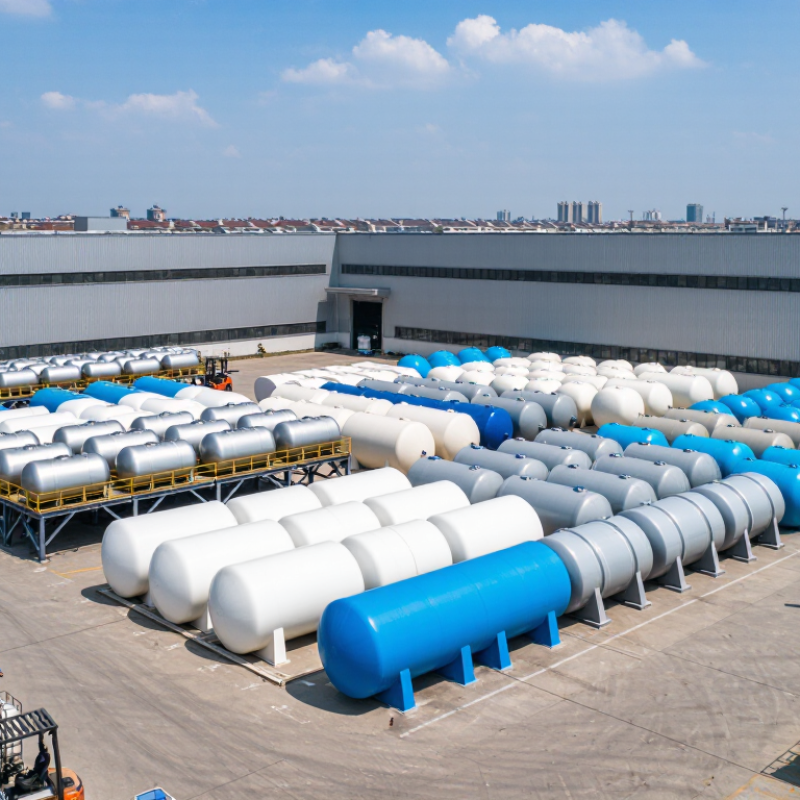
China’s water tank manufacturing industry serves municipal, agricultural, commercial, and residential projects worldwide. Production ranges from compact rooftop tanks to large sectional systems for industrial facilities. Common materials include polyethylene, stainless steel, galvanized steel, and fiberglass-reinforced plastic. Each material suits different conditions, including drinking water storage, chemical resistance, temperature changes, and outdoor exposure.
Manufacturers usually combine automated forming with skilled inspection. Rotational molding can create seamless plastic tanks with consistent wall thickness. Steel tank production often involves cutting, welding, surface treatment, and leak testing. Reliable factories document material grades, welding procedures, pressure results, and dimensional tolerances. Buyers should request recent test records and confirm whether testing follows recognized international standards. Small details matter. A poorly sealed fitting can cause costly site damage.
Experienced suppliers also review local water quality, installation space, climate, and transport limits before recommending a design. Export teams may provide drawings, packing plans, installation instructions, and replacement components. However, quality can vary between production lines, even within one facility. That gap deserves attention. Factory audits, sample approval, and independent inspections reduce uncertainty. Buyers should also examine warranty terms, spare-part access, communication practices, and after-sales response times. A low purchase price may hide thicker logistics costs or difficult maintenance later. Careful technical questions often reveal more than polished catalog images.
Key Criteria for Evaluating Chinese Water Tank Manufacturers
Top Water Tank Manufacturers in China for Global Buyers
Global buyers should evaluate evidence, not attractive factory photos. The WHO/UNICEF Joint Monitoring Programme estimated that 2.2 billion people lacked safely managed drinking water in 2022. This pressure makes tank reliability a procurement issue, not merely a price decision. Check material certificates, welding procedures, liner specifications, and batch traceability. Ask for records.
A capable Chinese manufacturer should explain design calculations for pressure, wind, earthquakes, temperature, and installation loads. Request hydrostatic or leak-testing reports, dimensional inspection records, and independent quality-inspection options. For potable water projects, verify compliance with the destination market’s applicable contact-material standards. ISO 9001 certification helps, but it does not replace product testing. Certification scope matters. Read the fine print.
Production capacity also deserves practical verification. Compare stated output with machinery, trained inspectors, storage conditions, and documented corrective actions. The UN World Water Development Report 2024 highlights agriculture’s approximately 70% share of global freshwater withdrawals, reinforcing demand for durable storage systems. Ask how the tank performs after repeated filling, drainage, sunlight, and cleaning. Request references from similar climates and capacities. A video call is useful, but weak evidence. Independent inspection before shipment can expose surface defects, missing fittings, or packaging problems. Low bids can hide expensive installation risks. The cheapest offer is not always economical.
Leading Manufacturer Categories for Global Buyers
Top Water Tank Manufacturers in China for Global Buyers
China’s water tank industry serves several practical categories for overseas projects.
Rotationally molded polyethylene tanks suit farms, workshops, and small commercial sites.
They are lightweight, corrosion-resistant, and easier to transport.
Sectional steel tanks support larger storage needs, especially in factories, apartment complexes, and municipal facilities.
Their modular panels can pass through narrow entrances before assembly.
Stainless steel tanks are selected when hygiene, appearance, and long service life matter.
They often serve food processing, hospitals, and commercial buildings.
Fiberglass tanks offer low maintenance and strong resistance to many outdoor conditions.
However, buyers should check temperature limits and structural calculations carefully.
A low purchase price can hide expensive installation work.
I have seen projects delayed by unclear foundation drawings and missing accessory lists.
Experienced manufacturers should provide material certificates, weld or molding inspection records, leak-testing procedures, and installation guidance.
Reliable suppliers also explain export packing, container loading, spare parts, and local compliance documents.
Ask for drawings with dimensions, inlet positions, overflow outlets, ladders, and maintenance access.
Small details matter.
Factory audits, sample inspections, and video quality checks can reduce uncertainty before payment.
No category fits every site perfectly, and even a well-designed tank may require changes after local engineers review wind, seismic, or water conditions.
Quality Standards, Customization, and Production Capabilities
Top Water Tank Manufacturers in China for Global Buyers
Quality starts with materials, not glossy factory photos. Reliable manufacturers should provide steel, plastic, or composite specifications before production begins. Ask for material certificates, welding procedures, and batch traceability. For potable water projects, request evidence supporting relevant food-contact or drinking-water requirements. ISO 9001 certification can indicate controlled processes, but it does not replace product inspection.
Customization should be practical and documented. Tank volume, diameter, height, inlet position, outlet size, ladders, coatings, and insulation may require different engineering choices. A capable manufacturer can prepare drawings, loading calculations, and installation guidance. Check whether engineers review local climate, transport limits, and foundation conditions. Small details matter. A poorly placed flange can delay installation and increase site costs.
Production capability is more than factory size. Buyers should examine welding quality, molding consistency, surface treatment, pressure testing, and final inspection records. A useful audit may include a workshop visit, sample approval, and third-party testing. Ask how defects are recorded and corrected. Some suppliers still rely too heavily on manual checks, which creates uneven results. That weakness deserves honest discussion, not polished promises. Clear tolerances, realistic lead times, spare-part support, and responsive communication make cooperation more dependable for global projects.
Export Processes, Costs, and Supplier Selection Steps
China’s water tank export process starts with product classification. Plastic tanks commonly use HS code 3925.10, while large steel reservoirs may fall under HS 7309. Buyers should verify the code with customs brokers. The International Trade Centre’s Trade Map helps compare export values, quantities, and destination markets. A proforma invoice should list capacity, material grade, wall thickness, fittings, packaging, and Incoterms.
Costing needs more than the factory quotation. Add tooling, inspection, inland transport, export documentation, ocean freight, insurance, duties, and destination delivery. The World Bank Logistics Performance Index 2023 evaluates customs, infrastructure, shipment arrangements, logistics competence, tracking, and timeliness. These factors can change landed costs significantly. One missed pallet dimension can increase freight charges. It happens.
Supplier selection should combine documents with physical evidence. Request recent test reports, material certificates, welding procedures, leak-test records, and production photographs. For potable-water applications, confirm compliance with the destination’s approved contact-material standards. An independent pre-shipment inspection can check dimensions, fittings, surface defects, and packing quality. UNCTAD’s Review of Maritime Transport continues to highlight freight volatility and supply-chain disruption, so delivery promises need written tolerance dates.
A useful comparison sheet should score quality systems, export experience, response speed, spare-part support, and payment risk. ISO 9001 certification is helpful, but it does not guarantee every tank is acceptable. Sample approval matters more than polished sales language. Some buyers focus too heavily on unit price; that choice often needs reconsideration. A cheaper tank may require stronger packaging, extra testing, or earlier replacement.
Top Water Tank Manufacturers in China for Global Buyers
Indicative FOB price ranges by tank type and capacity
The chart shows typical China FOB price ranges for commonly exported water tanks. Prices exclude ocean freight, import duties, taxes, installation, and customized accessories. Final quotations depend on material grade, wall thickness, fittings, certification requirements, order volume, and packaging.