7 PVC Pipe Buying Tips for Global Buyers
A PVC pipe purchase is not decided by price alone. A low quotation can hide inconsistent wall thickness, unclear material grades, or packaging that fails during a long journey. For global buyers, small details matter: the printed pipe markings, socket dimensions, pallet wrapping, and the factory’s test records. These clues help turn a supplier’s claims into verifiable questions.
W. Edwards Deming, a respected quality-management expert, said, “Quality comes not from inspection, but from improvement of the production process.” His principle applies to pvc pipe sourcing: ask how production is controlled, not only whether finished samples pass inspection. Request the relevant product specifications, pressure-class details, test methods, and traceable batch documents. Then compare them with the intended use, installation conditions, and delivery plan. A clear sample helps. So does a precise purchase specification.
The following seven tips give buyers a practical way to assess suppliers, compare quotations, and reduce avoidable surprises. Look closely at dimensions, material consistency, certification evidence, production capacity, packing, and communication. A supplier may answer quickly but still leave important details vague. That deserves another question. No checklist catches everything, and a buyer can still misjudge a shipment from a polished sample. Use the tips as a starting point, verify key claims, and keep written records of agreed requirements. A little skepticism is healthy.
Identify the Application and Operating Conditions
Before requesting PVC pipe quotations, define the fluid, operating pressure, temperature range, and installation setting. A pipe carrying cool water underground faces different demands from one exposed to sunlight or repeated pressure surges. Soil cover, traffic loads, chemical exposure, and connection type also affect the choice. Small details matter.
Temperature can reduce a pipe’s allowable pressure, so check the product’s published ratings at the actual operating temperature. Include startup and shutdown conditions, not just normal operation. The US EPA’s 2023 7th Drinking Water Infrastructure Needs Survey and Assessment estimates $625 billion in drinking-water infrastructure needs over 20 years. That figure is not a PVC market forecast, but it underscores the value of specifying durable, fit-for-purpose systems. Confirm applicable standards and pressure ratings with project documents and qualified engineers; assumptions can vary by region.
Tip: Share a simple duty schedule with suppliers: fluid, temperature range, working and surge pressure, burial depth, and exposure conditions. Ask them to identify limits and required fittings in writing. If some conditions are unknown, say so. Guessing can feel efficient, but it may lead to the wrong pipe class.
Compare PVC Pipe Types, Sizes, and Pressure Ratings
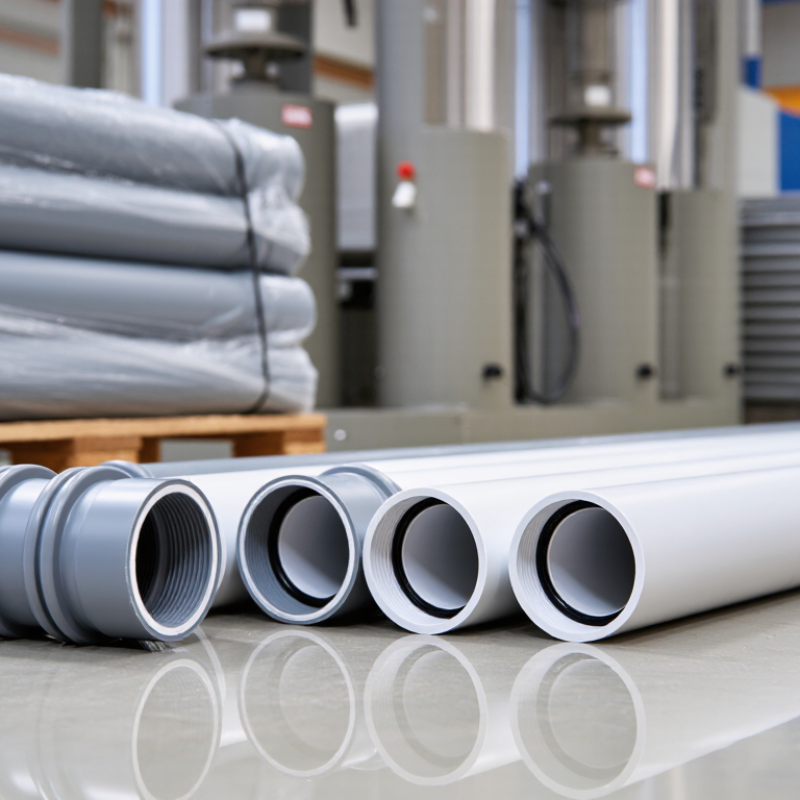
When comparing PVC pipe types, start with the job, not the price. Pressure-rated PVC-U is commonly used for cold-water lines, while drain, waste, and vent pipe is designed for gravity flow. They may look similar on a shelf, but their wall thickness and intended use differ. Check the product markings and applicable standard before ordering. A drainage pipe is not a substitute for a pressure line.
Size labels can be misleading. Nominal size does not always match the pipe’s measured outside diameter, and sizing systems vary by market. Measure a sample and confirm that fittings use the same dimensional standard. Small mismatch, big leak. Also check whether the supplier lists inside diameter or outside diameter; that detail affects flow and connection fit.
Pressure ratings need context. Compare the stated rating at its reference temperature, often around 23°C, and ask how higher operating temperatures affect capacity. Allow for pumps, surges, and water hammer, not just steady pressure. For example, a line that appears adequate on paper may need a higher rating if a pump starts and stops frequently. I would verify the full system specification before purchase; pressure tables alone can leave important assumptions unstated. Request test documentation and confirm that pipe, fittings, and joining method are compatible.
Check Compliance with Destination-Market Standards
PVC pipe compliance is not one global checkbox.
Requirements vary by destination, intended use, and local code. Before requesting quotes, identify the pipe’s application: drainage, irrigation, or potable-water service. Confirm the required standard, nominal size, pressure class, wall thickness, and permitted tolerances with the buyer or relevant local authority. These details matter. A pipe that looks correct on a warehouse pallet may fail inspection if its markings or test evidence do not match market requirements. For drinking-water use, check whether both the pipe compound and fittings are approved for contact with water. Do not assume a general material certificate covers the finished product.
Ask the supplier for test reports and conformity documents that apply to the exact product, size, and intended use. Check the issuing laboratory, report date, test methods, and whether the destination market accepts that evidence. Small details matter. Compare the report’s product description with the quotation and pipe markings; similar names can conceal different pressure ratings. Confirm required labels, language, batch codes, and traceability before production, not after the shipment is packed. It is easy to miss one line in a specification. Buyers can also overlook changes to local requirements, so verify them with an importer, qualified testing body, or relevant authority before placing a large order.
Assess Supplier Quality and Product Traceability
PVC pipe quality is easier to judge when a supplier can explain how each batch is made and checked. Ask for current product specifications, inspection records, and test results that match the pipe type and intended use. Confirm how the supplier controls wall thickness, outside diameter, and visible defects. A polished catalog is useful, but it is not proof of consistent production. Small details matter.
Tip: Request a sample batch record before placing a large order. Check that it links the production date, batch number, material details, and inspection results. Ask how nonconforming pipes are identified and kept separate. If answers remain vague, request a written explanation. Keep the evidence.
Traceability should continue from the supplier’s production records to the labels on delivered bundles. Compare bundle markings with invoices and inspection documents, and clarify how records can be retrieved if a shipment has a quality issue. Check whether changes in raw materials or manufacturing settings are documented. A certificate may look complete yet leave practical gaps, so verify what it covers and which products it applies to. No system is perfect; clear records simply make problems easier to investigate.
Review Pricing, Packaging, and International Shipping Terms
Tip 1: Compare like with like. Request the PVC grade, outside diameter, wall thickness, pressure rating, and test documents on every quotation. A low unit price can hide different specifications. Ask whether the price includes export packing, inland transport, port charges, and cargo insurance. Confirm the currency, quotation validity, minimum order, and payment schedule in writing. A quote is not the landed cost.
Tip 2: Check how the pipes will be packed. Ask for bundle dimensions, gross weight, pipe count, end protection, and loading photos before production. Long pipes need stable supports and secure strapping; damaged ends can make installation difficult. Confirm whether bundles can be stacked and how they will be secured inside the container. Small details matter. I’d still recheck the loading plan, even when the supplier says it is standard.
Tip 3: Clarify the shipping term and named destination. State who books freight, pays terminal charges, arranges insurance, and handles import clearance. UNCTAD’s Review of Maritime Transport 2024 reported that Suez Canal transits fell 42% from their peak over the two months preceding its January update. Route disruptions can change transit times and freight costs. Ask for the proposed route, shipment schedule, and written notice of surcharges before approving the order.
How to use this: This hypothetical 100% landed-cost example shows why buyers should compare more than the pipe price. Actual shares vary by product, route, order size, packaging, and destination duties. Request itemized quotes and confirm packaging, Incoterms, and shipping charges before ordering.