How to Choose the Best PVC Pipe Fittings for Your Project?
Choosing the best PVC pipe fittings for your project can feel overwhelming. Industry expert John Smith, a leading specialist in plumbing systems, once said, “The right fittings can make or break your project.” Understanding these components is crucial for success.
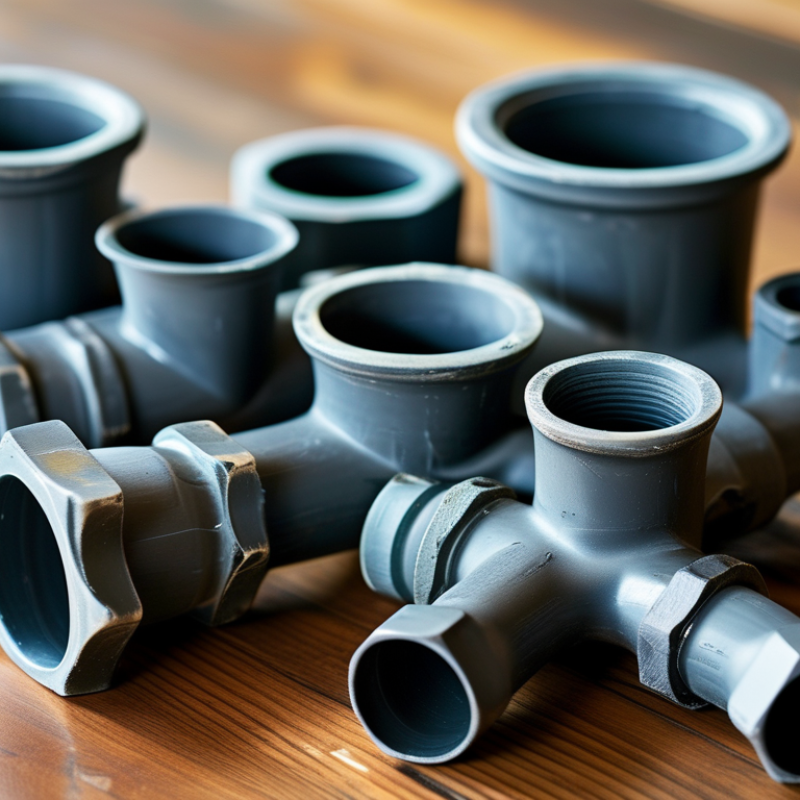
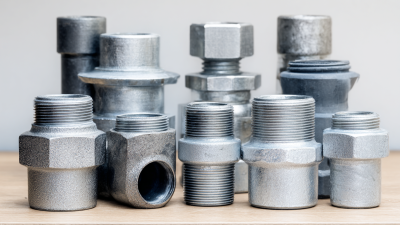
PVC pipe fittings come in various sizes and shapes. Each fitting serves a different purpose. For example, tees connect three pipes, while elbows allow for directional changes. Selecting the correct type impacts flow and pressure in your system. Quality matters too; cheaper options may lead to leaks.
Reflecting on your choices is essential. Have you considered the long-term durability of your fittings? While aesthetics matter, functionality should dominate your decision. Remember, investing in high-quality PVC pipe fittings ensures reliable performance in the long run. The right decision today can save headaches tomorrow.
Understanding PVC Pipe Fittings and Their Applications
PVC pipe fittings are essential components in plumbing and construction projects. They connect, redirect, and control the flow of liquids and gases. Understanding the various types and their specific applications is key to choosing the right fittings for your needs. Common fittings include elbows, tees, and couplings. Each serves a unique function and is suited for different purposes.
Elbows help change the direction of the pipe, often at 45 or 90-degree angles. Tees allow for branching off into different directions, making them versatile for complex layouts. Couplings join two pieces of pipe together securely. Additionally, specialty fittings like reducers and caps serve specific roles, such as managing size transitions or sealing ends.
When selecting PVC fittings, consider the materials’ compatibility with your project. Factors like pressure ratings and temperature tolerance play crucial roles. Every project may come with unexpected challenges, such as leaks at joints or improper sizing. Reflecting on previous experiences can guide you in making better choices for future tasks. Striking the right balance between functionality and quality will enhance your project's overall success.
Identifying the Right Size and Type for Your Project Needs
Choosing the right size and type of PVC pipe fittings is crucial for your project. Start by measuring the pipe diameter accurately. This ensures a proper fit. Standard sizes commonly include ½ inch, ¾ inch, and 1 inch. A wrong size can lead to leaks or weak connections. Always consider the pressure requirements of your system. Some projects may require thicker-walled fittings for durability.
When selecting fittings, think about your application. If it's for drainage or irrigation, schedule 40 PVC is often sufficient. However, for high-pressure applications, you might need schedule 80 fittings. Keep in mind that using mismatched fittings can create issues down the line. It’s not just about fitting; it’s about ensuring longevity.
Here are some things to consider: the environment where the fittings will be used and the temperature they will endure. Some fittings are better for outdoor use, resisting UV damage. Moreover, examining the fitting's connection type is essential. Glue, threaded, or push-fit connections offer distinct benefits and drawbacks.
Take your time with your choices. Rushing can lead to costly mistakes. Reflect on the requirements of your project. Each fitting type serves a purpose, and understanding these details can improve your overall project outcome.
Choosing the Right Size and Type of PVC Pipe Fittings
Evaluating Material Quality and Standards in PVC Fittings
When selecting PVC pipe fittings, assessing material quality is crucial. High-quality PVC fittings should meet industry standards. Look for specifications such as ASTM D1784, which ensures durability and chemical resistance. These standards indicate that the fittings are designed to withstand high pressure and temperature fluctuations. Quality materials often feature smooth interiors, which minimize flow resistance.
Examine the certifications and attributes of the fittings. Reliable manufacturers will provide clear information on their products’ compliance with safety regulations. Consider factors like impact resistance and UV stability. Some materials may look good initially but can degrade over time, leading to costly repairs.
Be cautious of low-priced options. While they may seem appealing, they often compromise on quality. Check for visible defects or inconsistencies in the fittings. Take a moment to reflect after making your selection; it often pays to choose well over settling for convenience. This careful consideration ensures the longevity and functionality of your plumbing projects.
How to Choose the Best PVC Pipe Fittings for Your Project?
| Fitting Type |
Diameter (inches) |
Material Standard |
Maximum Pressure (PSI) |
Temperature Rating (°F) |
| PVC Elbow |
2 |
ASTM D1784 |
280 |
140 |
| PVC Tee |
3 |
ASTM D2466 |
200 |
140 |
| PVC Coupling |
1.5 |
ASTM D2464 |
300 |
140 |
| PVC Cap |
4 |
ASTM D2564 |
220 |
140 |
| PVC Shoulder Elbow |
2.5 |
ASTM D1784 |
200 |
140 |
Comparing Different Brands and Pricing Options
When selecting PVC pipe fittings, comparing different brands and pricing options is crucial. Many manufacturers offer a range of products, but not all are created equal. Understanding the quality, durability, and compatibility of these fittings can help you make an informed choice for your project.
Different brands may provide varying levels of quality. Some might focus on affordability, while others emphasize performance. It’s essential to review the material specifications and customer feedback. Avoid relying solely on price as a determinant. Often, a slightly higher investment can yield fittings that last longer and perform better.
Consider the following when making your decision: check for certifications that indicate compliance with industry standards. Look for guarantees or warranties to assess the manufacturer's confidence in their products. Remember, cheaper fittings may lead to future costs associated with replacements or repairs.
When comparing prices, analysis is key. Cultivate a list of essential features you require and filter brands accordingly. Reflect on whether you may need extra fittings down the line, which could justify a bulk purchase discount. Always keep your project’s requirements in focus while making your choice.
Tips for Installation and Maintenance of PVC Pipe Fittings
Installing PVC pipe fittings can seem straightforward, but attention to detail is crucial for a successful project. Begin with clean, dry surfaces. If the pipes are dusty or wet, they won't adhere properly. This can lead to leaks later on. Use a proper primer before applying the solvent cement. It's a small step that makes a big difference in the bond strength.
During installation, ensure the fittings are aligned correctly. Misalignment can cause stress on joints. Take a moment to double-check your measurements and connections. If a fitting doesn’t fit well, consider whether it needs cutting or if you've miscalculated. Once cemented, give the joint adequate time to cure. Rushing this step can lead to failures down the line.
Regular maintenance is essential for long-term reliability. Inspect for signs of wear or leaks in your PVC system. Look for joints that might show signs of separation. If you notice any issues, it’s better to address them early. Ignoring these signs can escalate into larger problems. Documenting your installation and maintenance procedures can also help track performance over time, leading to more informed repairs.