2026 How to Choose the Best Plastic Fittings for Your Needs?
Choosing the right plastic fittings can be a challenge. With the variety of options available, each type serves a unique purpose. It's essential to understand your specific needs before making a decision.
Plastic fittings are crucial in plumbing, irrigation, and various industrial applications. They offer durability and resistance to corrosion. However, not all plastic fittings are created equal. Some may not withstand high pressure or extreme temperatures. Knowledge of the material's properties is vital.
Before selecting plastic fittings, consider the environment where they will be used. Assess factors like temperature, pressure, and chemical exposure. Make informed choices. In the end, the right fittings can significantly impact the success of your project. Don't overlook this important aspect.
Understanding Different Types of Plastic Fittings Available in the Market
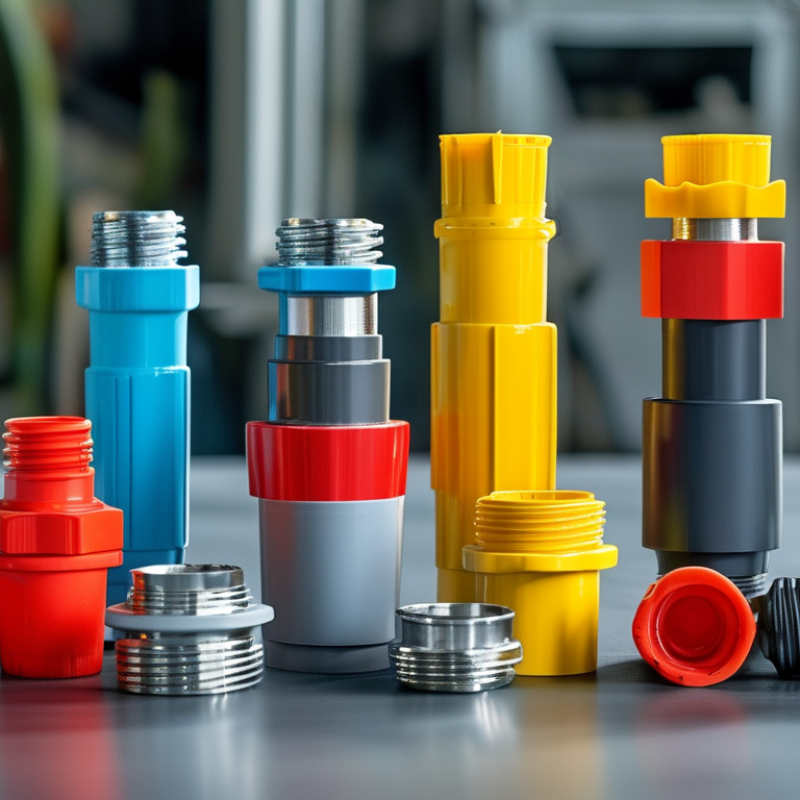
When selecting plastic fittings, it's essential to understand the types available. Common options include PVC, CPVC, and polyethylene materials. Each type has unique properties making them suitable for various applications.
PVC fittings are durable and resistant to corrosion. CPVC can withstand higher temperatures and pressures. Polyethylene is flexible, making it ideal for specific plumbing tasks.
It’s vital to consider the intended use when choosing fittings. For instance, residential plumbing may require different fittings compared to industrial use. The size of the pipes also plays a significant role. A small mistake in fitting size can lead to leaks or improper connections.
Many individuals overlook the importance of compatibility with existing systems. Improper fitting can create significant issues down the line. Additionally, the installation process may vary, impacting time and cost. Understanding these factors enhances decision-making and ultimately helps in choosing the right fittings for your needs. There's always room for learning, and each choice carries its advantages and disadvantages.
Key Factors to Consider When Selecting Plastic Fittings for Your Project
When selecting plastic fittings for your project, several key factors come into play. The type of plastic is crucial. PVC, CPVC, and polypropylene are common choices, each with specific applications. A 2022 report from the Plastic Pipe and Fittings Association indicates PVC pipes dominate 65% of the market due to their durability and cost-effectiveness. However, using the wrong plastic for your environment can lead to premature failures.
Consider the intended application. High-pressure systems may require fittings designed for strength and resilience. According to the American Society for Testing and Materials (ASTM), pressure ratings need careful assessment based on environmental conditions. Improper ratings can lead to leaks or system failures, which might cause costly repairs and project delays.
Choosing the right fitting also involves considering certifications. Look for fittings that comply with relevant standards, such as NSF and ANSI certifications. These ensure that the materials meet safety and performance criteria. Do not overlook the importance of compatibility. Different chemicals interact differently with various plastics. Incompatibility can result in material degradation or system inefficiencies.
Keep in mind the installation process. Some fittings require special tools or techniques. Evaluating ease of use can save time and reduce labor costs. Taking these factors into account leads to more reliable outcomes. When in doubt, consulting with industry experts can guide you toward effective choices.
Factors to Consider When Choosing Plastic Fittings
This bar chart illustrates the key factors to consider when selecting plastic fittings for your project, with their respective importance levels rated on a scale from 1 to 10. Durability and chemical resistance are highlighted as the most critical aspects.
Evaluating Material Compatibility and Application Requirements
When selecting plastic fittings, evaluating material compatibility is crucial. Different applications require specific materials to ensure performance and longevity. For instance, PVC is widely used in plumbing systems due to its corrosion resistance and durability. However, it may not be suitable for high-temperature environments, which require materials like CPVC. A study by the Plastics Industry Association showed that improper material selection can lead to costly failures in systems, emphasizing the importance of understanding application requirements.
Choosing the right fitting involves understanding the chemicals and temperatures it will encounter. Polypropylene is a reliable choice for chemical processing, known for its sturdy nature. It can withstand a variety of harsh substances. However, technicians often overlook its limitations, particularly with solvents. Often, the compatibility issue becomes evident only after installation, so thorough pre-selection testing is vital.
Tip: Always check the material's specifications against the intended application. This small step can save time and resources. Use a checklist to ensure all conditions and requirements are met.
Moreover, environmental factors should not be neglected. Exposure to UV light can degrade certain plastics, leading to unexpected brittleness. This frequently happens in outdoor applications. Regular maintenance and assessment can mitigate these risks. Staying informed about advancements in material science is crucial for informed decisions.
Assessing Durability and Resistance Features of Plastic Fittings
Choosing the right plastic fittings involves careful consideration of durability and resistance features. Various factors come into play when assessing these qualities. First, the materials used in the fittings significantly influence their overall strength and resistance to various environmental factors. For instance, some plastics are more prone to UV degradation, while others can withstand harsh chemicals.
When evaluating durability, it is crucial to consider the specific application of the fittings. Will they be exposed to extreme temperatures or corrosive substances? Each fitting has its strengths and weaknesses. A fitting that works well in one setting may fail in another. This reflection on usage scenarios is essential for making informed choices.
Testing the fittings under real-world conditions can reveal their true capabilities. Many products may look good on paper but don’t perform as expected in practice. It’s advisable to seek expert opinions and reviews. Engaging with community feedback can also provide helpful insights. Prioritizing reliability will ultimately lead to better decision-making in your fitting choices.
Cost Considerations and Budgeting for Plastic Fittings Selection
When selecting plastic fittings, budgeting is crucial. Costs can vary significantly based on materials and applications. For residential projects, lower-cost options may seem appealing. However, these cheaper fittings may not last as long, leading to higher long-term costs. You might save upfront but face replacement costs soon after.
In commercial settings, durability becomes a priority. Higher-quality plastic fittings can resist corrosion and withstand pressure. They might require a larger initial investment, but their performance justifies the expense. Analyze your project’s requirements carefully. A fitting that meets your immediate needs may not be suitable for the future.
Consider hidden expenses too. Installation costs can add up rapidly. If the fittings are difficult to install, you might end up spending more on labor. It’s wise to ask for professional advice tailored to your needs. With proper planning, you can choose fittings that offer the best value while staying within your budget.