What Is the Best Poly Septic Tank from China?
Choosing the best poly septic tank from China requires more than comparing prices and wall thickness. A tank may look strong in a factory yard, yet perform poorly underground. Soil pressure, groundwater, traffic loads, temperature changes, and installation quality all matter.
Sara Heger, Ph.D., a respected septic-system educator, has said, “The soil is the treatment system.” That reminder changes how we judge a poly septic tank. The tank stores wastewater, but the surrounding system supports safe treatment. A reliable product should match local soil conditions, household flow, burial depth, and drainage design.
Chinese manufacturers offer many polyethylene tanks made through rotational molding. This process can produce seamless structures with fewer leak-prone joints. Still, manufacturing claims need evidence. Ask for material specifications, tank dimensions, load testing, quality-control records, and installation instructions. Certification should be checked against the destination market, not assumed from a supplier’s website.
Look closely at practical details. Are access covers secure? Are inlet and outlet fittings correctly positioned? Does the tank resist deformation during backfilling? Can the supplier provide drawings for inspectors and installers? These questions often reveal more than polished photographs.
The cheapest option may not be the best value. A heavier tank is not automatically better either. Some designs need concrete anchoring, especially where groundwater rises. Others may require special bedding or traffic protection. Mistakes happen. Even experienced buyers can overlook soil movement or local approval requirements.
This guide examines how to compare Chinese suppliers, tank construction, certifications, customization, shipping, warranties, and installation support. The goal is a practical decision, not a perfect-sounding promise.
Poly Septic Tank Basics and Key Design Features
What Is the Best Poly Septic Tank from China?
Poly septic tanks are usually rotational-molded from polyethylene. The material resists rust, soil moisture, and many household chemicals. It is also lighter than concrete, which reduces transport and installation effort. The U.S. Environmental Protection Agency estimates that about one in five U.S. households uses a septic system. That figure shows why dependable tank design matters beyond simple storage.
A strong tank needs more than thick plastic. Look for smooth internal surfaces, reinforced ribs, secure access covers, and clearly formed inlet and outlet connections. Anti-flotation design is essential where groundwater is high. The tank may need anchoring or a concrete base. EN 12566-1 and ASTM-related testing practices can help buyers review watertightness and structural performance. Ask for test records, resin specifications, wall-thickness measurements, and inspection photos. Paperwork alone is not proof.
The UN-Water 2024 SDG 6 report states that billions still lack safely managed sanitation. Small failures can become serious environmental problems. A tank should match local soil, burial depth, wastewater flow, and maintenance access. Capacity must account for household size, not only current occupancy. A 2023 household survey may change next year. That is easy to overlook. Some lightweight tanks also deform when backfill is poorly compacted or groundwater pressure is ignored. The best poly septic tank from China is therefore not simply the cheapest or thickest model. It is the one supported by traceable testing, practical installation guidance, and consistent quality control.
How to Compare Poly Septic Tanks Made in China
What Is the Best Poly Septic Tank from China?
How to Compare Poly Septic Tanks Made in China
The best poly septic tank is not simply the cheapest model. Compare its usable capacity, polyethylene grade, wall thickness, and structural ribs. Rotational molding should create a seamless body without visible weak joints. Inspect the inlet and outlet fittings closely. Poor alignment can complicate installation and cause stress around connected pipes. A practical comparison also includes manhole size, access height, and resistance to groundwater pressure.
Ask the manufacturer for dimensional drawings, material specifications, production photos, and quality inspection records. Independent test reports are more useful than general promises. Check whether the tank suits your soil, burial depth, traffic load, and local installation requirements. Export experience matters, but it does not replace technical evidence. A clear warranty should explain coverage, exclusions, and response procedures. Vague wording deserves caution.
Tips: Compare at least three written quotations using the same specifications. Confirm the actual tank weight, not only the advertised capacity. Request photos from different production stages. Check whether the shell shows warping, thin corners, or uneven ribs. Also calculate freight and unloading costs; a low factory price may become expensive after delivery. One overlooked detail is installation guidance. Even a strong tank can fail when bedding, backfill, or water filling is handled poorly. I used to focus too heavily on price, but that comparison missed long-term site risks. Some data may still require local verification.
What Is the Best Poly Septic Tank from China?
How to Compare Poly Septic Tanks Made in China
The chart compares common polyethylene septic-tank capacities with an estimated service population.
The user estimates are calculated using a planning allowance of 150 litres per person per day and a
two-day hydraulic retention period: estimated users = tank capacity ÷ 300 litres.
When comparing China-made poly septic tanks, also verify polyethylene grade, rotational-molding quality,
wall uniformity, access-opening size, inlet and outlet configuration, groundwater resistance, installation
depth, load rating, certification, and after-sales support. Final sizing should follow local regulations
and a qualified site assessment.
Installation Requirements and Long-Term Maintenance
A poly septic tank from China can perform reliably, but installation determines much of its service life.
The U.S. EPA reports that more than 21 million American households use septic systems. Its Septic Systems Overview recommends professional inspection at least every three years and pumping every three to five years.
Follow the approved local design before excavation.
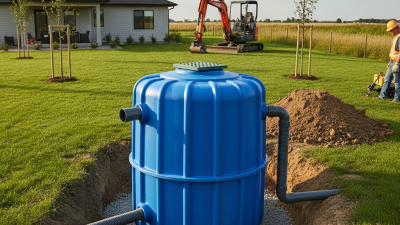
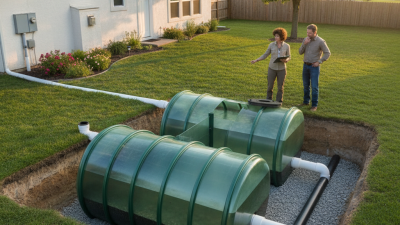
Confirm tank capacity, inlet and outlet elevations, access clearance, and required separation from wells, buildings, and groundwater. Place the tank on a level, compacted sand or concrete base. Polyethylene is lighter than concrete, so high groundwater can lift an empty tank. An engineer may require anchoring straps or a concrete anti-floatation slab. Backfill evenly with suitable material, then fill the tank with water during backfilling. Small mistakes here can distort the shell.
Maintenance needs practical discipline.
Keep vehicles away from the tank and drainfield. Check risers, covers, seals, and effluent levels during each service visit. The EPA’s 2024 homeowner guidance warns that excessive solids, grease, and harsh chemicals can reduce system performance. Household water records help identify unusual flow. I would not trust a fixed pumping schedule alone; soil, occupancy, and sludge depth vary. In one installation, a low access cover looked harmless, but surface water entered after heavy rain. That detail was easy to miss, and the repair cost more than the original inspection. Review the tank’s structural documentation, installation drawings, and local approval records before purchase.
Choosing the Best Chinese Poly Septic Tank for Your Site
Choosing the Best Chinese Poly Septic Tank for Your Site
The best poly septic tank from China should fit your site, not just your budget. Begin with the daily wastewater volume and the number of users. A tank that is too small may require frequent pumping. A larger tank may provide better settling, but it can increase transport and installation costs. Leave room for real-life variation. Guests, laundry days, and seasonal use can change the loading.
Soil and groundwater conditions matter just as much. On a sloped site, confirm the inlet and outlet elevations before ordering. High groundwater may require anchoring or a reinforced installation base. Loose soil may need additional support around the tank. Ask the manufacturer for tank dimensions, wall thickness, access opening size, and loading data. Do not rely only on product photographs. They rarely show enough detail.
Material quality deserves careful checking. UV-stabilized polyethylene can improve outdoor durability, while rotational molding helps create a continuous shell. Request production records, dimensional tolerances, leak-test procedures, and independent test reports where available. Also verify that the design matches local wastewater requirements and installation practices. A useful warning: delivery damage is easy to overlook. Inspect the shell, fittings, and covers before burial. The tank may look strong. A rushed installation can still cause settlement, pipe stress, or poor access for maintenance. Sealed drawings and clear installation instructions make the supplier more dependable, even when communication is imperfect.