
Choosing an Aluminum Composite Panel Manufacturer is a practical decision, not merely a search for the lowest quoted price. Panels may look similar in a showroom, yet their cores, coatings, bonding methods, and dimensional tolerances can differ greatly. A reliable manufacturer explains these differences clearly and connects them to your building’s location, climate, height, and design requirements.
Look for evidence, not polished promises. Experienced manufacturers can provide coating specifications, technical datasheets, batch information, and representative samples. They should explain how aluminum thickness, surface treatment, and core composition affect durability and fabrication. Ask how panels are tested for adhesion, weather resistance, color stability, and fire performance. Documentation matters.
So does communication.
During real projects, small details often become expensive problems. A slightly incorrect color can affect an entire façade. Poor packaging may leave corner damage before installation begins. A capable Aluminum Composite Panel Manufacturer checks drawings, confirms dimensions, protects finished surfaces, and responds when site conditions change. Their technical team should support installers with cutting, routing, joint, and maintenance guidance.
No supplier is perfect. That deserves honest attention. Even a strong manufacturer may face delays, material shortages, or inconsistent information between departments. The difference lies in how openly these risks are identified and corrected. Request references, inspect production capabilities where possible, and compare warranty terms carefully. A thoughtful choice balances price, verified performance, service, and long-term accountability. That balance can protect both the appearance of a façade and the confidence of everyone responsible for it.
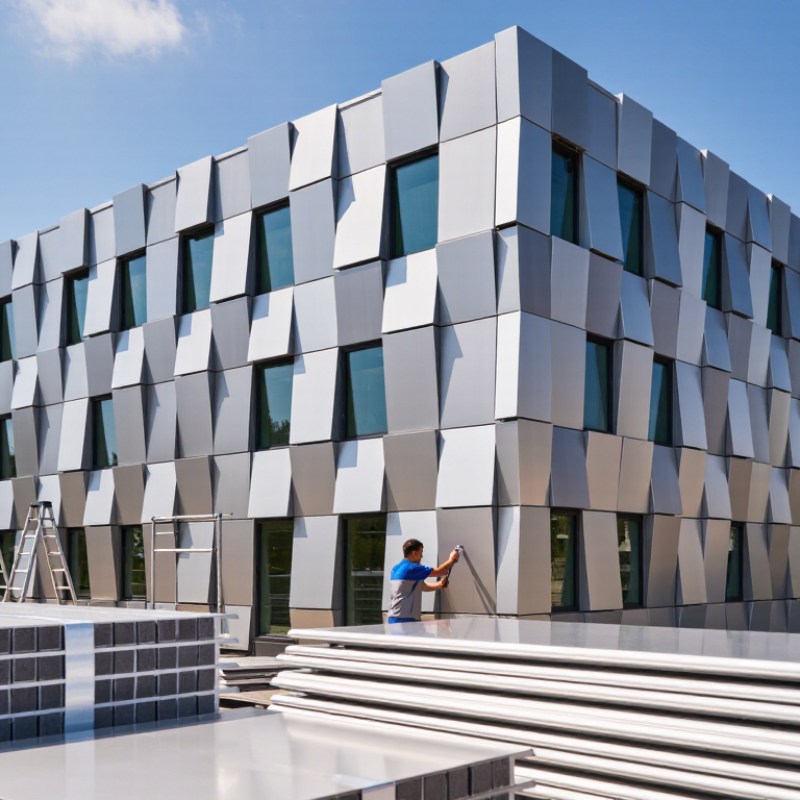
An aluminum composite panel manufacturer is more than a panel seller. It is a facility that bonds aluminum sheets to a central core, then applies coatings, trims edges, and checks finished dimensions. The process may look simple. It is not.
A qualified manufacturer controls the full production chain. Technicians inspect aluminum thickness, coating adhesion, core composition, and panel flatness. They also monitor temperature, pressure, and bonding speed during production. These details affect weather resistance, surface appearance, and service life. Reliable manufacturers keep batch records and provide test reports linked to specific production dates. That traceability matters when panels arrive on a busy construction site.
Choosing a manufacturer can also improve project communication. Custom colors, cutting tolerances, protective films, and packing methods can be discussed directly with technical staff. I have found that small details, such as corner protection, often prevent expensive damage during transport. Still, no factory is flawless. A polished website does not prove consistent quality. Buyers should request samples, review relevant testing, and ask how defects are handled. Price deserves attention, but it should not replace evidence. A cheaper panel may create uneven joints, coating problems, or avoidable replacement work. The better question is not only who can supply panels, but who can explain how each panel was made.
Designing aluminum composite panels starts with the building’s location, use, and exposure conditions. Engineers review wind loads, temperature changes, moisture, and installation methods. Panel thickness and core selection must match these demands. A decorative finish alone is not enough.
Production begins with carefully prepared aluminum sheets. The sheets are cleaned, coated, and bonded to the core under controlled pressure. Precise temperature control helps create consistent adhesion. After bonding, technicians check panel thickness, flatness, color, and surface quality. Samples may undergo peel, impact, bending, and weathering tests. Batch records make defects easier to trace.
Small details matter. Protective film should sit evenly without trapped dust or air pockets. Cut edges need careful inspection before installation. An experienced manufacturer can also provide practical guidance on routing, folding, fasteners, and joint movement. Yet no production line is flawless. Occasional coating variation or minor handling marks can appear. Honest quality control identifies these issues instead of hiding them. Buyers should request test evidence, material data, and clear inspection procedures. That transparency reflects technical confidence and supports safer, more reliable panel selection.
Why Choose an Aluminum Composite Panel Manufacturer?
A professional aluminum composite panel manufacturer provides more than finished sheets. The team studies project drawings, building heights, panel sizes, climate conditions, and installation methods before production. This practical review helps identify unsuitable core materials, weak fixing details, or unnecessary waste.
Technical support should continue throughout the project. Experienced engineers can recommend panel thickness, surface finishes, edge treatments, and suitable cutting tolerances. They may also prepare shop drawings, color samples, installation guides, and material data sheets. Clear documentation matters.
Quality control should be visible, not just promised. A reliable manufacturer checks aluminum thickness, coating adhesion, color consistency, panel flatness, and bonding strength. Factory testing records should be traceable to production batches. Packaging also deserves attention. Protected corners and moisture-resistant wrapping can prevent damage during transport.
Small details affect real installations. A manufacturer may offer CNC cutting, routing, bending, labeling, and pre-assembly services. These options can reduce on-site labor and improve alignment. However, no production process is perfect. A responsible supplier should explain tolerances honestly and correct problems through documented procedures. Some projects still require site adjustments. That is normal, but unclear communication can make them expensive. Suppliers with experienced project coordinators respond faster when measurements change or panels arrive with unexpected defects.
Practical experience is important here. A technically impressive specification can still fail when workers lack clear instructions. Professional manufacturers therefore support communication between designers, contractors, and installers from production to delivery.
| Service Area | What the Manufacturer Provides | Typical Technical Details | Customer Benefit | Key Verification |
|---|---|---|---|---|
| Material Selection | Guidance on panel type, alloy, core construction, surface finish, and thickness according to the project application. | Common panel thicknesses include 3 mm, 4 mm, and 6 mm. Core options may include polyethylene, fire-retardant mineral-filled, or other project-approved cores. | Helps match panel performance, appearance, weight, and budget with the building requirement. | Product data sheet and approved sample |
| Design and Engineering Support | Preparation or review of panel layouts, folding details, joints, corner treatments, fixing methods, and installation drawings. | Design considerations include wind load, panel span, support spacing, thermal movement, drainage, and facade tolerances. | Reduces coordination errors and supports a practical installation sequence. | Shop drawings and technical submittal |
| Color and Surface Customization | Color matching, gloss selection, texture selection, protective-film options, and finish sample approval. | Common finishes include solid colors, metallic effects, wood textures, stone patterns, and custom printed surfaces. Coatings may use systems such as PVDF or FEVE, subject to specification. | Provides consistent visual results across the facade and supports architectural design intent. | Physical color sample and coating specification |
| Fire-Performance Consultation | Recommendation of a suitable core and assistance with fire-test documentation for the intended building application. | Fire performance depends on the complete panel system, core, thickness, joints, substrate, and installation method. Required classifications vary by local building code. | Helps the project team select a compliant product instead of relying on appearance alone. | Current third-party fire-test report |
| Precision Fabrication | Cutting, routing, grooving, folding, perforating, drilling, and preparation of panels for cassette or tray systems. | Computer-controlled processing can maintain repeatable dimensions and consistent folding locations when based on approved drawings. | Improves fit-up accuracy and can reduce field cutting, waste, and installation time. | Fabrication drawings and dimensional inspection |
| Quality Control | Inspection of incoming materials, coating appearance, dimensions, flatness, protective film, color consistency, and finished packaging. | Quality records may include batch identification, thickness checks, visual inspection, and test results required by the project specification. | Improves traceability and helps identify nonconforming materials before shipment. | Inspection report and batch records |
| Standards and Documentation | Supply of technical data sheets, declarations, installation guidance, maintenance instructions, and compliance documents. | Applicable requirements may reference project specifications, local building codes, ASTM, EN, ISO, or other recognized standards. | Supports consultant review, permitting, procurement, and installation planning. | Document list matched to the project requirements |
| Prototyping and Mock-Ups | Production of samples, corner pieces, color panels, and representative facade mock-ups before mass production. | Mock-ups can evaluate color, joint width, edge treatment, shadow lines, fixing details, and interface conditions with adjacent materials. | Allows design and construction issues to be corrected before large-scale fabrication. | Written sample or mock-up approval |
| Packaging and Logistics | Protective-film application, labeling, palletizing, loading plans, and shipment coordination. | Packaging should protect coated faces and finished edges from abrasion, moisture, impact, and incorrect handling during transport. | Reduces transit damage and makes materials easier to identify and distribute on site. | Packing list and shipment inspection |
| Installation and After-Sales Support | Installation guidance, troubleshooting, maintenance advice, replacement coordination, and warranty administration according to agreed terms. | Maintenance typically includes routine cleaning with compatible methods and prompt removal of contaminants that may affect the coating. | Supports long-term appearance, correct installation, and faster resolution of project issues. | Installation manual and written warranty terms |
Why Choose an Aluminum Composite Panel Manufacturer?
Choosing an aluminum composite panel manufacturer requires more than comparing prices. I learned this after seeing a low-cost panel fail during installation. Its surface looked acceptable, but the core thickness varied across the batch.
A capable manufacturer should provide traceable material records, coating specifications, and independent fire-test results. Ask for the aluminum alloy, panel tolerance, coating thickness, and core classification. Test reports should match the actual product, not a similar sample. EN 13501-1 and ASTM E84 classifications can help evaluate fire performance, but certificates need careful checking.
Production scale also matters. The International Aluminium Institute reported global primary aluminum production of about 70.6 million tonnes in 2023. This large industry still faces energy and emissions pressures, so responsible suppliers should explain recycled content and sourcing practices. An environmental product declaration can make those claims easier to verify.
Quality control should include flatness checks, peel-strength testing, color consistency, and batch identification. Request a production sample before approving a large order. It may reveal waviness near the corners. That small detail matters on a reflective façade.
Communication is another practical test. Can the manufacturer answer technical questions clearly? Can it provide installation guidance and respond when drawings change? I would not choose a supplier that only sends polished brochures. Documentation, repeatable testing, and honest limitations usually matter more than impressive promises.
Why Choose an Aluminum Composite Panel Manufacturer?
Manufacturer selection directly affects facade safety, appearance, and installation speed. A reliable producer controls core composition, aluminum thickness, coating adhesion, and panel flatness. These details matter when panels meet at a four-millimeter joint.
The numbers are significant. The 2023 Global Status Report for Buildings and Construction states that buildings generated 37% of global energy-related and process emissions. Therefore, panel performance should support the whole envelope, not only its visual design. Ask for verified thermal data, fire-test evidence, coating warranties, and batch traceability. Testing should match project requirements, including ASTM E84 or NFPA 285 where applicable. A qualified manufacturer also checks tolerances before shipment. Small dimensional errors can become visible waves across a large elevation.
Site experience exposes another issue. Installation teams often lose time when drawings, fasteners, and panel labels do not align. Clear fabrication schedules and responsive technical support reduce that risk. Still, no manufacturer is perfect. I have seen attractive samples fail to represent later production batches. That weakness deserves honest checking. Request current certificates, recent production samples, and independent inspection records. Consider a mock-up under real lighting. It may reveal color variation, edge damage, or difficult details before the facade reaches the building.
How Manufacturer Selection Affects Project Performance
This neutral project-performance scorecard compares the main selection criteria used when evaluating aluminum composite panel manufacturers. Higher scores indicate stronger documentation, quality control, durability support, and delivery reliability. The index is a non-brand benchmark based on common construction procurement requirements, not company-specific performance data.