What is a Water Trough and How is it Used in Farming and Gardening
In the realm of farming and gardening, the significance of efficient water management cannot be overstated. One essential tool that serves this purpose is the water trough. A water trough is a container or vessel designed to hold water, providing a reliable source for livestock and facilitating irrigation for plants. Its versatility and practical application make it a cornerstone in agricultural practices, aiding in the hydration of crops and animals alike.
Farmers and gardeners utilize water troughs for various reasons, primarily to ensure that their livestock have constant access to fresh water, promoting better health and productivity. Moreover, water troughs can be strategically placed in gardens to assist in distributing water evenly, thereby optimizing plant growth and resilience. This article will delve into the definition, types, and uses of water troughs, highlighting their indispensable role in enhancing the sustainability and efficiency of both farming and gardening efforts. By understanding the importance of water troughs, we can appreciate how this seemingly simple tool contributes significantly to successful agricultural practices.
Definition of Water Trough and Its Purpose in Agriculture
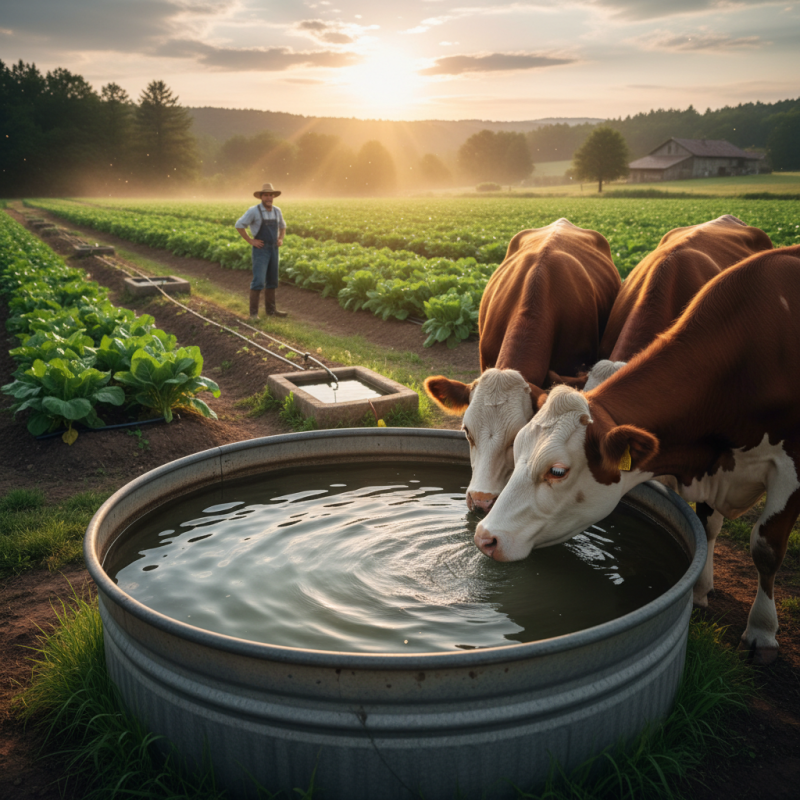
A water trough is a vital component in agricultural and gardening practices, primarily serving as a container for holding water. In farming, it provides a reliable water source for livestock, ensuring they stay hydrated, which is essential for their health and productivity. Troughs can be made from various materials, including metal, plastic, or concrete, allowing farmers to choose the most suitable option based on their needs and budget.
In addition to livestock hydration, water troughs play a significant role in irrigation systems for gardens and crops. They can be strategically placed to collect rainwater or connected to a water supply, facilitating efficient watering practices. This is particularly important in dry seasons or arid locations where water conservation is critical. By providing a focused water source, troughs help to optimize water usage, reduce waste, and promote healthier plant growth, ultimately leading to improved yields in agricultural settings.
Different Types of Water Troughs Used in Farming and Gardening
Water troughs are essential tools in farming and gardening, designed to provide a consistent water supply for livestock and plants. Several types of water troughs are utilized, each serving specific needs and environments.
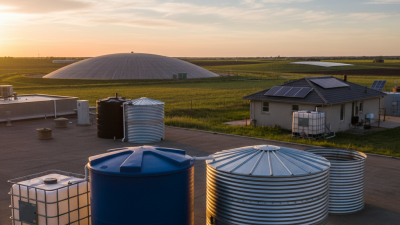
One common type is the metal water trough, typically made from galvanized steel. These troughs are durable and resist rusting, making them suitable for outdoor use. They can hold a significant volume of water, making them ideal for animals such as cattle or horses. In addition, metal troughs can be more easily cleaned and maintained, reducing the risk of waterborne diseases among livestock.
Another popular option is the plastic water trough, which tends to be lighter and can be easier to transport and install. These troughs are often UV-resistant, which prolongs their lifespan in sunny environments. Plastic troughs come in various sizes, easily fitting into both small gardens and larger farming operations. Additionally, they can be designed with features like float valves to automate water refilling, making them convenient for busy gardeners and farmers. Each type of water trough has its advantages, and choosing the right one depends on the specific requirements of the farm or garden.
How to Properly Install and Maintain a Water Trough
Proper installation and maintenance of a water trough are essential for optimizing its functionality in farming and gardening. The first step in installation involves selecting an appropriate location that provides easy access for animals and allows for consistent water flow. Ensure that the ground is level and firm, as this will help prevent the trough from tipping or settling unevenly over time. Additionally, connecting the trough to a reliable water source is crucial; using durable hoses or pipes can prevent leaks and ensure a steady supply.
Regular maintenance is key to keeping a water trough in good working condition. This includes routine cleaning to prevent algae growth and sediment buildup, which can contaminate the water. Regularly inspect the trough for any signs of damage, such as cracks or leaks, and address these issues promptly to avoid larger problems. Additionally, it’s important to check the water level frequently, especially during hot weather, to ensure that animals have adequate access to hydration. Implementing these practices will ensure that the water trough remains a valuable resource for both livestock and plants in your farming or gardening efforts.
What is a Water Trough and How is it Used in Farming and Gardening - How to Properly Install and Maintain a Water Trough
| Dimension |
Description |
Use Case |
Maintenance Tip |
| Material |
Commonly made from metal, plastic, or concrete |
Used to provide water for livestock |
Inspect regularly for leaks |
| Size |
Available in various sizes, typically ranging from 50 to 500 gallons |
Used in landscaping for gardens |
Clean and remove algae buildup |
| Installation |
Requires a flat surface and drainage setup |
Set up in areas with easy access for animals or plants |
Ensure proper drainage to avoid flooding |
| Water Source |
Can be connected to various water sources like hose or pump |
Facilitates irrigation in gardens |
Check connections to prevent leaks |
| Winter Preparation |
May require insulation or draining to prevent freezing |
Essential for regions with cold winters |
Drain and clean before the freeze |
Benefits of Using Water Troughs for Crop Irrigation and Livestock
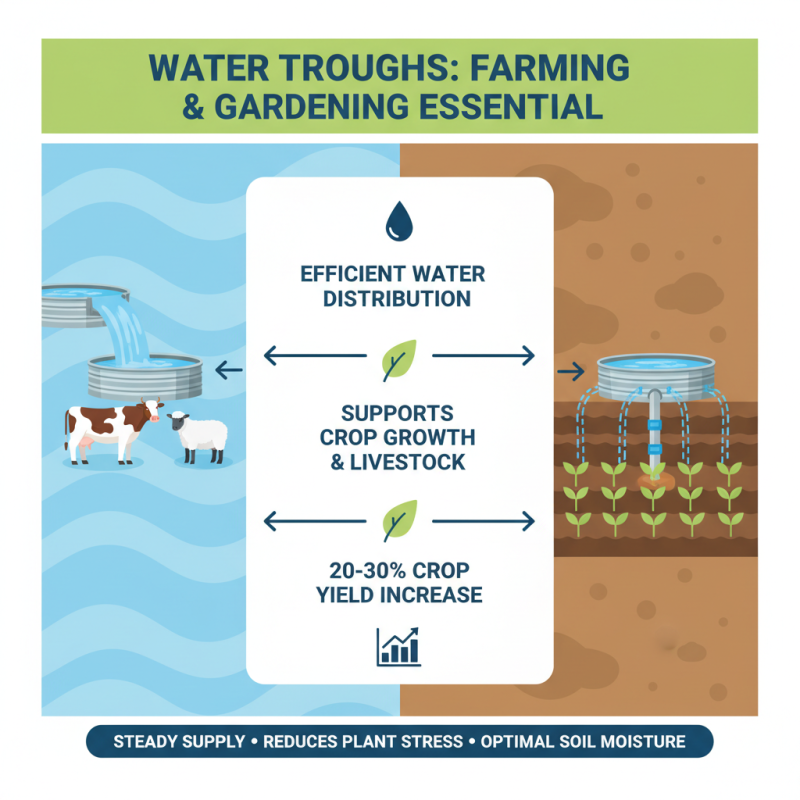
Water troughs play a crucial role in farming and gardening, particularly when it comes to irrigation and providing water for livestock. The use of water troughs facilitates efficient water distribution, which is essential for crop growth. Research indicates that implementing effective irrigation systems, including water troughs, can lead to an increase in crop yield by up to 20-30%. These structures allow for a steady supply of water, reducing the stress on plants during dry spells and helping to maintain optimal soil moisture levels.
In terms of livestock management, water troughs ensure that animals have consistent access to clean water, which is vital for their health and productivity. Studies have shown that adequate water supply can enhance livestock weight gain and overall well-being, contributing to better milk production in dairy cattle. Moreover, maintaining a clean water source reduces the risk of waterborne diseases among livestock, which can save farmers significant costs associated with veterinary care. The use of water troughs not only streamlines water management practices on farms but also supports sustainable agricultural practices, making them an invaluable tool for modern farmers and gardeners.
Common Challenges in Managing Water Troughs and Their Solutions
Water troughs play a crucial role in farming and gardening, providing a reliable water source for livestock and crops. However, managing these troughs can present several challenges. One common issue is contamination from debris and algae, which can harm both animals and plants. To combat this, regular cleaning is essential. Using mesh covers can also mitigate debris accumulation, while introducing beneficial bacteria can help maintain water quality.
Another challenge is maintaining the proper water level, especially during dry spells or heavy rainfall. Overflows and shortages can disrupt the water supply, stressing both plants and animals. Implementing automatic float valves can help regulate water levels, ensuring a consistent supply. Additionally, creating a system for rainwater collection can enhance the trough’s sustainability. By addressing these common challenges, farmers and gardeners can ensure their water troughs remain efficient and effective.