2026 Top Water Storage Tanks for Home and Garden Use?
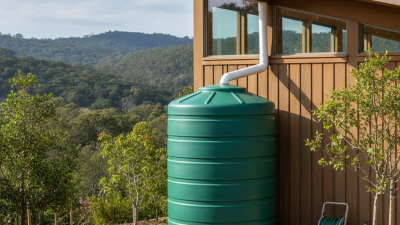
In 2026, the demand for water storage tanks continues to rise. Homeowners and gardeners seek efficient solutions for water conservation. These tanks come in various shapes and sizes, catering to diverse needs.
Selecting the right water storage tanks is essential. They not only help save water but also reduce utility bills. From small barrels to large cisterns, options abound. Some may hesitate, unsure which tank suits their property. Concerns about installation and maintenance can linger. Investing in a tank requires careful thought, yet it offers great rewards.
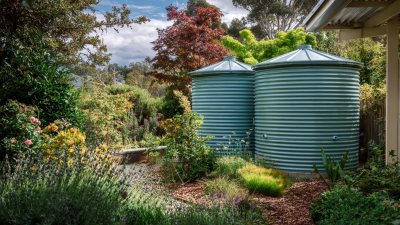
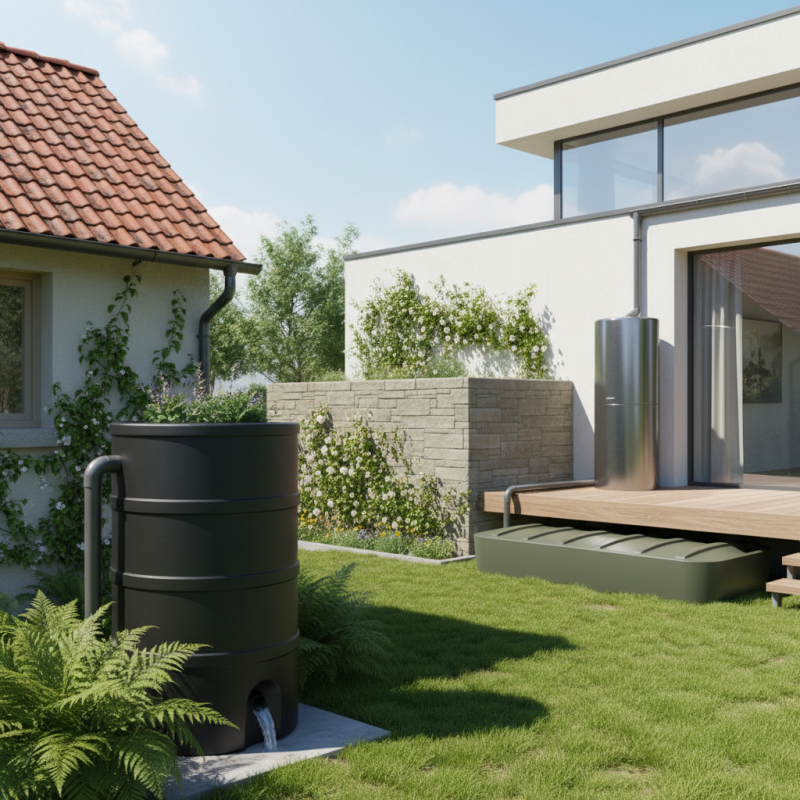
Proper placement ensures functionality. Consideration of climate and landscape is vital. Water storage tanks can blend seamlessly into gardens or stand discreetly next to homes. Each choice impacts aesthetics and utility. Understanding these factors can lead to a well-informed decision. It's not just about storage; it's about enhancing your living space. Reflecting on one's needs helps in selecting the perfect tank.
Overview of Water Storage Tanks for Home and Garden Use
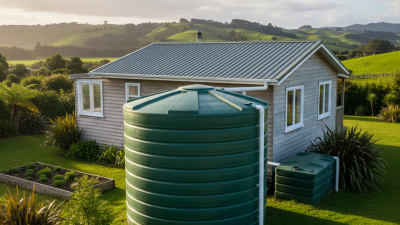
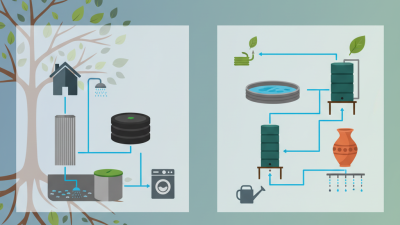
Water storage tanks play a vital role in home and garden management. They help to collect and store rainwater for various uses. These uses can include watering gardens, washing cars, and even filling pools. With many designs available, it is essential to choose one that meets your needs.
When selecting a tank, consider its size and material. Larger tanks hold more water but require more space. Materials like plastic and metal offer different advantages. Plastic tanks are lightweight, while metal tanks tend to be more durable. Each type has its own drawbacks and advantages. Finding the balance can be challenging.
Maintenance cannot be overlooked. Regular cleaning is necessary to avoid algae growth. Some tanks may require more upkeep than others. Additionally, potential leaks or cracks can occur over time. Addressing these problems early can prevent larger issues. Remember, not all tanks perform equally well in various climates. Consider the weather patterns in your area carefully.
2026 Top Water Storage Tanks for Home and Garden Use
| Tank Type |
Capacity (Gallons) |
Material |
Dimensions (L x W x H) |
Price ($) |
Best Use |
| Above Ground Tank |
300 |
Polyethylene |
5' x 5' x 4' |
250 |
Garden irrigation |
| Underground Tank |
1000 |
Fiberglass |
6' x 6' x 7' |
1500 |
Rainwater collection |
| Collapsible Tank |
50 |
PVC |
3' x 3' x 2' |
100 |
Emergency water supply |
| Stainless Steel Tank |
600 |
Stainless Steel |
6' x 4' x 5' |
1200 |
Long-term storage |
| Rain Barrel |
55 |
Plastic |
2' x 2' x 3' |
80 |
Garden watering |
Benefits of Using Water Storage Tanks in Residential Settings
Water storage tanks offer numerous benefits for residential settings. They provide a reliable source of water, especially during dry seasons. Homeowners can store rainwater, ensuring a sustainable water supply. This practice promotes conservation and reduces reliance on municipal sources.
Tips for choosing the right tank include considering location and size. A smaller garden may not need a large tank. Analyze your water usage to find the perfect fit. Ensure that your tank is made from safe materials. Not all tanks are created equal; check for durability.
Using water storage tanks can also save you money. By collecting rainwater, you lower your utility bill. However, think about maintenance. Tanks need cleaning to prevent algae growth. Neglecting this can lead to health risks. Be aware of the effort required for proper upkeep.
Types of Water Storage Tanks Suitable for Homes and Gardens
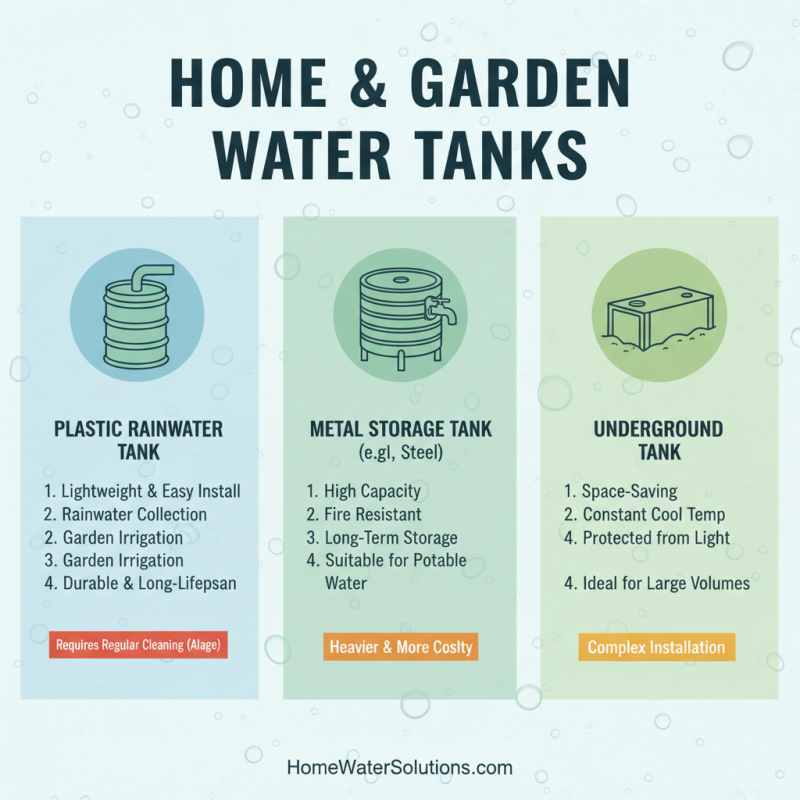
When it comes to water storage tanks for home and garden use, several types are particularly suitable. One popular option is the plastic rainwater tank. These are lightweight and easy to install. They collect rainwater, making them perfect for garden irrigation. Their durability ensures a long lifespan. However, they require regular cleaning to prevent algae growth.
Another option is the galvanized steel tank. These sturdy tanks resist rust and corrosion. They can hold large volumes of water, making them ideal for bigger gardens. The downside is their weight, which makes installation challenging. Additionally, they can be expensive compared to other types, and their heat retention can pose risks in extremely hot weather.
Concrete water storage tanks are also a viable choice. They are exceptionally durable and can blend well into landscaping. Despite being very sturdy, these tanks can crack over time. This requires careful monitoring and maintenance. Their heavy structure means installation is labor-intensive. Each type of tank has its nuances, and choosing the right one depends on your specific needs.
Key Factors to Consider When Choosing a Water Storage Tank
Choosing the right water storage tank is essential for home and garden use. Key factors include capacity, material, and placement. A tank's capacity must match your needs. For gardens, ensure it can hold sufficient water for irrigation. Industry data suggests that small households often need a tank of at least 500 gallons for optimal support.
Material matters too. Plastic tanks are lightweight and affordable, yet they may not last as long as metal ones. Metal tanks offer durability but can be more expensive. Consider how each material affects water quality. A report by the Journal of Environmental Engineering indicates that improper storage can lead to contamination.
Tips: Think about your local climate. A well-insulated tank can prevent freezing in winter. Monitor your water levels regularly. Neglecting maintenance leads to unexpected leaks. Assess your tank’s location carefully. Placing it in direct sunlight could warm the water, affecting its quality. Balancing these factors ensures you make a more informed choice in your investment.
Maintenance Tips for Prolonging the Life of Water Storage Tanks
Maintaining water storage tanks is crucial for their longevity. Regular inspections can catch small leaks early. Look for cracks or wear on the tank's surface. If you find something, address it immediately. Ignoring these issues can lead to bigger problems down the line.
Cleaning your tank should be a routine task. Sediment buildup is common, especially in outdoor tanks. Use a simple water and vinegar mixture to scrub the insides. This can eliminate grime and reduce algae growth. But remember, it’s easy to overlook these tasks. Many people forget and regret it later.
UV rays can damage tanks made from certain materials. Provide shade if your tank is directly exposed to sunlight. You might consider a protective cover. Remember to check the lid regularly as well. A damaged lid can let pests contaminate the water. If you neglect these aspects, you risk compromising the quality of your stored water.