Top Types of Water Tanks for Your Home and Garden Needs?
Water tanks play a crucial role in modern homes and gardens. Understanding the various types available can significantly enhance efficiency. John Smith, a noted expert in water conservation, once said, "The right water tank can save you time and resources."
These systems are not just for collecting rainwater; they have different uses. For instance, some are ideal for irrigation needs, while others cater to household demands. Choosing the right type can be overwhelming, especially with so many options. It’s easy to overlook important details like size and material.
Selecting water tanks requires careful consideration. One must reflect on specific needs and environmental impact. Despite the choices available, finding a perfect fit can be challenging. A mismatch may lead to wasted resources. Therefore, it's essential to analyze both options and personal requirements before making a decision.
Types of Water Tanks: An Overview for Homeowners
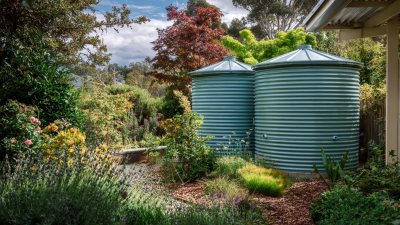
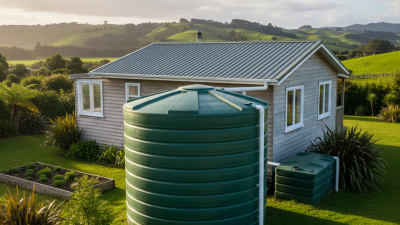
When selecting a water tank for your home and garden, understanding the types available is crucial. Water tanks come in various materials and sizes, each with distinct benefits. Plastic tanks are lightweight and easy to install. Steel tanks are robust but can be costly. Concrete tanks might last longer, but they can be heavy and require more space.
According to industry reports, plastic tanks have gained popularity due to their affordability, making up around 40% of the market. Steel tanks, while only 20%, are favored for larger properties. Homeowners should think about their needs and space when choosing a tank. Space constraints may limit options.
Tips: Consider the size of your garden. A small garden may only need a 500-liter tank. Larger gardens might require 1000 liters or more. Regular maintenance is also essential. Check for leaks and ensure proper cleaning. It's worth reflecting on whether your current water usage matches the capacity of your tank. Make adjustments as needed to prevent wastage and promote efficiency.
Top Types of Water Tanks for Your Home and Garden Needs
| Type of Water Tank |
Material |
Capacity (liters) |
Ideal Use |
Advantages |
| Rainwater Harvesting Tank |
Plastic/Polyethylene |
1000 - 5000 |
Garden irrigation, flushing toilets |
Environmental friendly, reduces water bill |
| Above Ground Water Tank |
Steel/Polyethylene |
500 - 3000 |
Domestic water supply, pools |
Easy installation, portable |
| Underground Water Tank |
Concrete/Plastic |
1000 - 20000 |
Residential water storage |
Space-saving, protects water quality |
| Transportable Water Tank |
Plastic/Collapsible |
100 - 1000 |
Camping, emergency water |
Lightweight, easy to move |
| Pressure Tank |
Steel/Fiberglass |
100 - 1000 |
Pressurizing water systems |
Maintains consistent water pressure |
Materials Used in Water Tank Construction: Pros and Cons
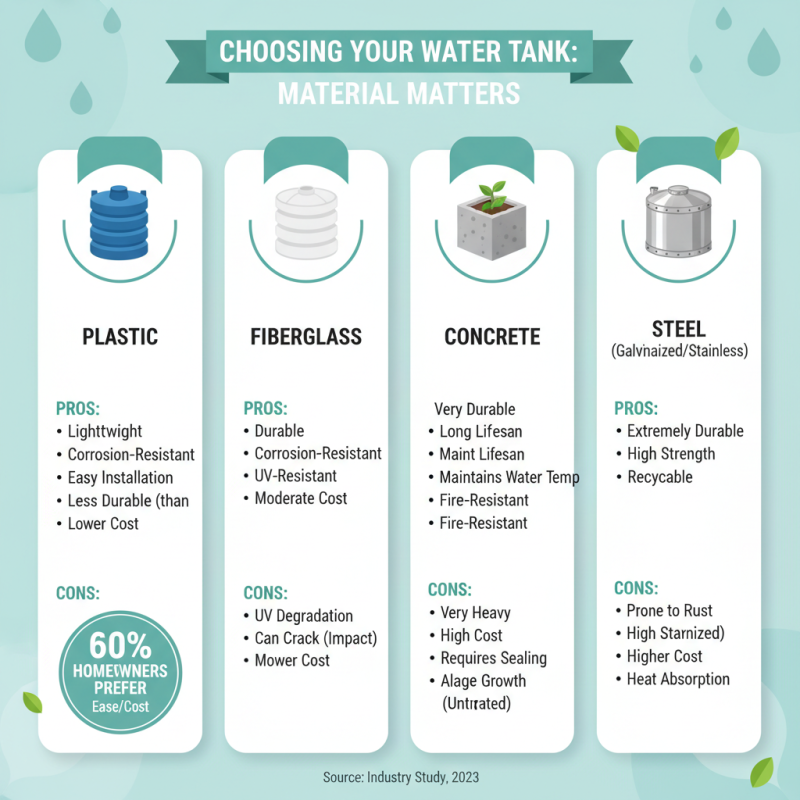
When considering water tanks for home and garden use, the materials play a crucial role. Common materials include plastic, fiberglass, concrete, and steel. Each has its pros and cons. For instance, plastic tanks are lightweight and resistant to corrosion. However, they may degrade under UV exposure and can be less durable than metal options. A study shows that nearly 60% of homeowners prefer plastic due to ease of installation and lower cost.
Concrete tanks are sturdy and long-lasting. They can hold large volumes of water. Yet, they are heavy and require significant labor for installation. Their porous nature may also lead to algae growth if not sealed properly. Reports indicate that around 30% of consumers in the market choose concrete for its robust nature.
Steel tanks offer exceptional durability and can withstand extreme weather. However, they are prone to rust if not treated properly. Regular maintenance can mitigate this risk, but this adds to the overall cost. Approximately 10% of homeowners still opt for steel due to its structural integrity and longevity. Each material presents its unique challenges and benefits, making it essential to choose wisely based on needs and environment.
Choosing the Right Size Water Tank for Your Garden Needs
Choosing the right size water tank for your garden is essential. A tank too small won't store enough water. This can lead to dry plants and wasted time. Conversely, an oversized tank can take up too much space and might not be cost-effective.
When selecting a tank, consider your garden's size. Measure the area where you'll place the tank. Estimate how much water your plants need. Keep in mind that larger gardens typically require larger tanks. However, if your garden is small, a compact tank may suffice.
**Tips:** Think about your watering habits. Do you prefer hand-watering or using a sprinkler system? This impacts your tank size. Also, check the local rainfall patterns. Know how much rain your area receives annually. This can help you gauge your water storage needs better.
Reflect on your future garden plans. If you plan to expand, opt for a larger tank now. It saves you the hassle of upgrading later. Balancing size with practicality will help ensure your garden remains healthy and vibrant throughout the seasons.
Installation and Maintenance Tips for Water Tanks
Installing a water tank requires careful planning. Choose a suitable location that is easy to access. Ensure the site is level to prevent any potential leaks or damage. Gather the necessary tools before starting the installation. A shovel, a level, and a wrench will likely be needed. It might take longer than expected if you realize you lack any essential items.
Once the tank is installed, regular maintenance is crucial. Inspect the tank for cracks or signs of wear. Cleaning should be done periodically. Algae and debris can build up over time. It is essential to flush the tank occasionally. This helps ensure the water remains clean and safe for use.
Don't forget about the surrounding area. Keep plants trimmed and debris away. This simple action can prevent infestations. Check your tank's connections regularly, too. Loose connections can cause leaks. These small but frequent checks can save you from bigger problems later.
Alternative Water Storage Solutions for Eco-Friendly Homes
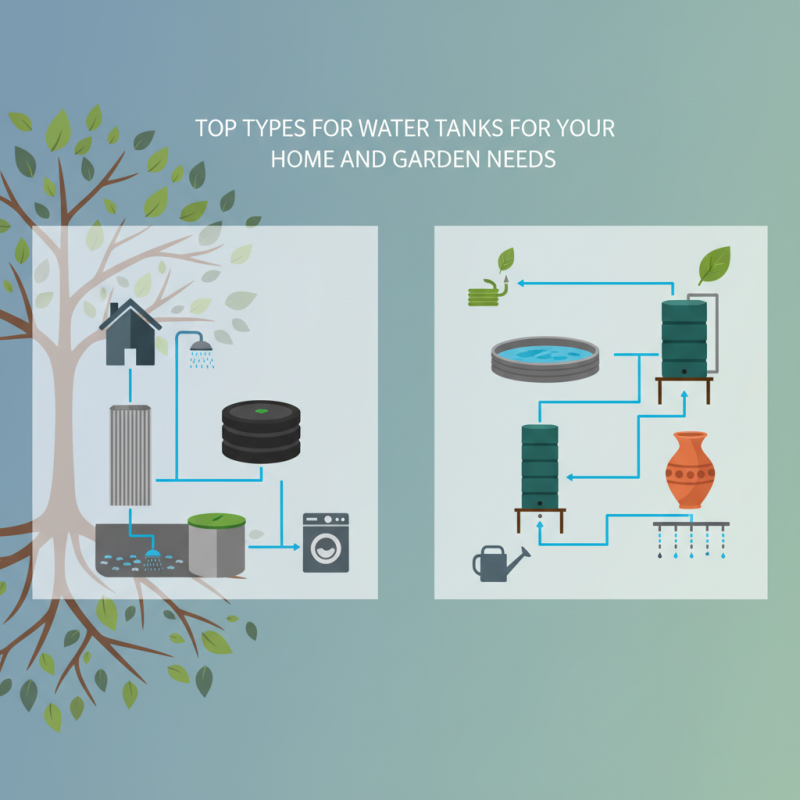
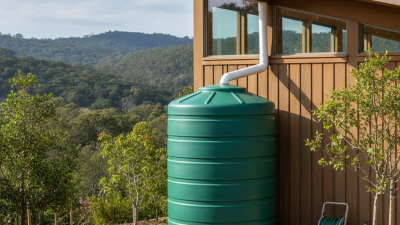
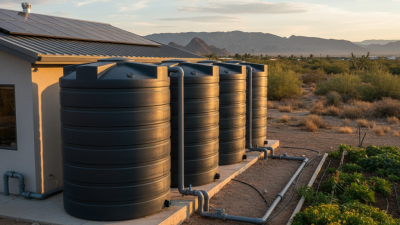
Alternative water storage solutions are becoming essential for eco-friendly homes. Rainwater harvesting systems collect rainwater from roofs. This method reduces water bills and helps conserve local water sources. Proper filtration is crucial to ensure the water is safe for use in gardens or even household cleaning.
Another innovative option is a greywater recycling system. This collects water from sinks and laundry for reuse in irrigation. It can be an efficient way to manage water resources. Yet, many homeowners hesitate due to the complexity of installation and maintenance. Regularly checking for leaks is a must, as these systems can sometimes be prone to issues.
Lastly, using portable water tanks offers flexibility for garden needs. These tanks can store excess water during the rainy season. However, they can take up space and may require frequent refilling in dry months. It's essential to keep them in good condition, as standing water can attract pests. Exploring these water storage options can lead to more sustainable living.
Top Types of Water Tanks for Your Home and Garden Needs