2025 Top 5 Advantages of Using Plastic Pipe in Modern Construction
As the construction industry evolves in 2025, the integration of innovative materials such as plastic pipe is revolutionizing the way we approach building projects. According to industry expert Dr. Emily Tanner, a renowned materials scientist, "The flexibility and durability of plastic pipe make it an indispensable choice for modern construction, setting new standards for efficiency and sustainability." With advancements in technology and design, plastic pipes are not only replacing traditional materials but also enhancing the overall performance and longevity of construction works.
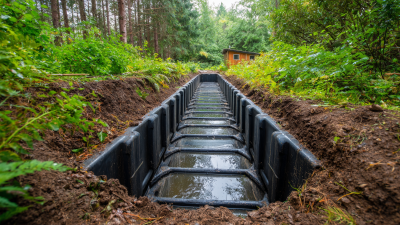
The advantages of using plastic pipe are manifold, positioning them at the forefront of contemporary building strategies. Their lightweight nature simplifies transportation and installation, while the resistance to corrosion and chemical damage ensures that structures remain secure over time. As construction practices shift towards environmentally friendly solutions, plastic pipes present an eco-conscious alternative, reducing the carbon footprint associated with traditional materials.
In this article, we will explore the top five benefits of utilizing plastic pipe in modern construction, illustrating how they contribute to safer, more efficient, and sustainable building practices. From improved water management systems to reduced maintenance costs, the adoption of plastic pipes signifies a progressive step toward a smarter construction future.
Benefits of Plastic Pipes for Sustainable Construction Practices in 2025
In 2025, the use of plastic pipes in modern construction continues to gain momentum, particularly for sustainable building practices. One of the primary advantages of plastic pipes is their resistance to corrosion and chemical reactions, which enhances the longevity of plumbing systems. This durability not only reduces the need for frequent replacements but also minimizes waste, aligning perfectly with sustainable construction goals.
When considering the implementation of plastic pipes, it’s essential to focus on quality and certification. Ensure that you select pipes that meet industry standards for safety and environmental impact. This not only guarantees performance but also contributes to the overall sustainability of the construction project.
Additionally, consider the installation techniques when using plastic pipes. Employing skilled professionals who are knowledgeable in modern methods can further enhance energy efficiency and reduce resource consumption. The adaptability of plastic pipes allows for innovative designs, which can lead to more efficient use of space and materials, ultimately benefiting sustainable construction efforts in urban environments.
Cost-Effective Solutions: Why Plastic Pipes Save Money in Modern Building Projects
In modern construction, the use of plastic pipes provides significant cost-effective solutions that streamline building projects. According to a report by the Plastics Pipe Institute, plastic piping systems can reduce installation costs by up to 30% when compared to traditional materials like copper or steel. This reduction can be attributed to the lightweight nature of plastic pipes, which simplifies handling and installation, minimizing labor costs on-site. The lower material cost combined with easier installation techniques makes plastic pipes an attractive budget-friendly option for contractors and developers.
Furthermore, plastic pipes exhibit a longer lifespan, contributing to savings in maintenance and replacement costs over time. Research indicates that polyethylene (PE) and polyvinyl chloride (PVC) pipes can last up to 50 years or more, significantly outpacing the durability of metal counterparts. According to a study by the American Society of Civil Engineers, the longevity of plastic pipes not only enhances overall project efficiency but also lessens the environmental impact by reducing the frequency of pipe replacement in infrastructure. This enduring performance, combined with their lower initial costs, positions plastic pipes as a forward-thinking solution in the realm of modern construction.
2025 Top 5 Advantages of Using Plastic Pipe in Modern Construction
| Advantage |
Description |
Cost Saving |
Durability |
| Lightweight |
Easier to transport and install compared to traditional materials. |
Reduces labor and transportation costs. |
Resistant to corrosion and chemical degradation. |
| Low Maintenance |
Requires less frequent repairs and replacements. |
Lowers long-term operational costs. |
Long lifespan leads to fewer replacements. |
| Flexibility |
Can be easily bent and manipulated to fit various designs. |
Minimizes waste and additional fittings costs. |
Withstands high pressures without breaking. |
| Thermal Insulation |
Offers better insulation properties, reducing energy costs. |
Decreases heating and cooling expenses. |
Stable performance in extreme temperatures. |
| Environmental Impact |
Made from recyclable materials; reduces waste. |
Can lower disposal and environmental compliance costs. |
Contributes to sustainable building practices. |
Durability and Longevity: How Plastic Pipes Outperform Traditional Materials
Plastic pipes have rapidly gained popularity in modern construction due to their outstanding durability and longevity compared to traditional materials. According to a report by the Plastic Pipe and Fittings Association (PPFA), plastic pipes can have a lifespan of over 100 years, significantly exceeding the average life expectancy of metal counterparts, which range from 30 to 50 years. This remarkable endurance translates into lower replacement costs and less frequent maintenance interventions, allowing construction projects to benefit from long-term financial savings.
Additionally, plastic pipes demonstrate superior resistance to corrosion and chemical damage, a critical factor in many construction environments. A study published in the Journal of Plastic Materials highlights that plastic pipes, particularly those made from polyvinyl chloride (PVC) and high-density polyethylene (HDPE), are non-reactive and can withstand harsh chemicals that would typically degrade metal. This leads to increased reliability and safety in applications such as sewage and drainage systems, where chemical exposure is commonplace. Industry predictions show that the adoption of plastic pipes in various infrastructures is set to grow by over 20% annually, reflecting the clear advantages they offer in terms of durability and overall performance.
Lightweight and Easy to Install: Streamlining Construction with Plastic Pipe
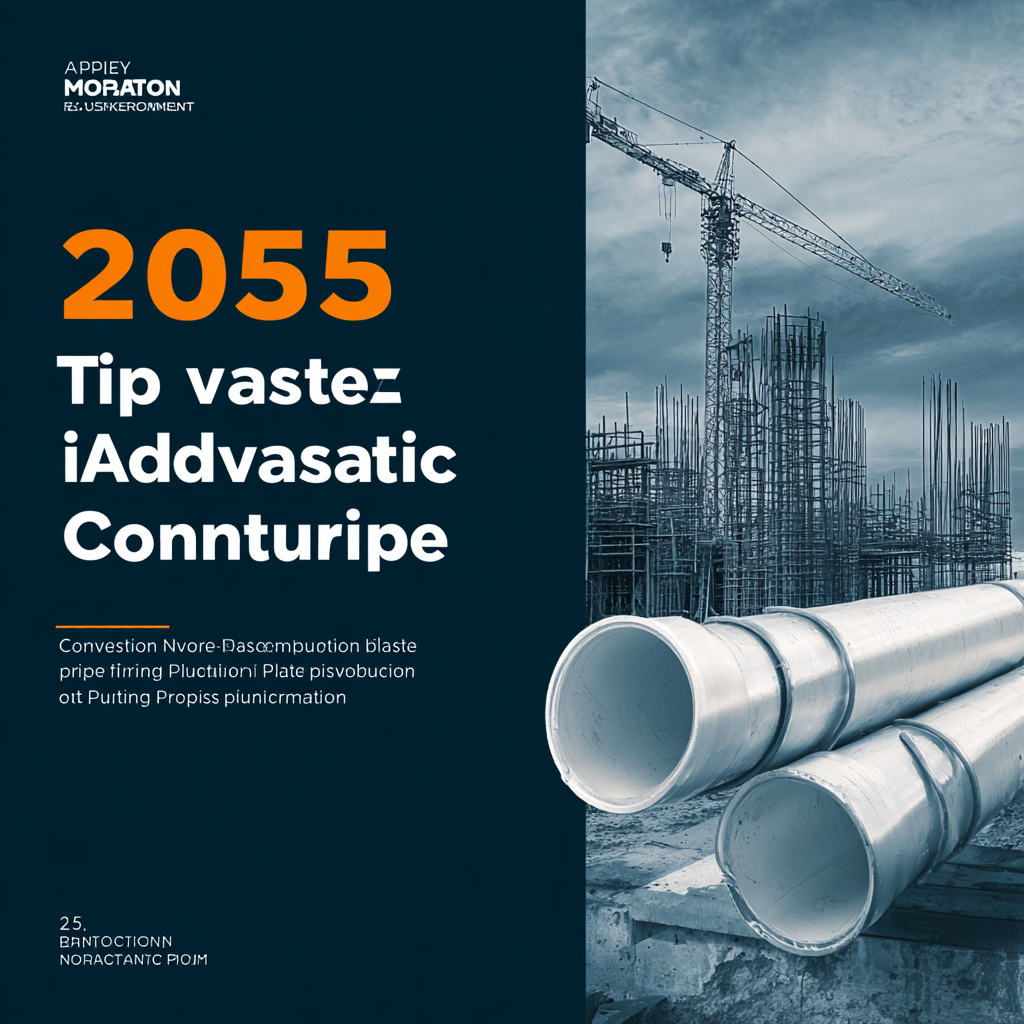 Plastic pipes have become increasingly popular in modern construction due to their lightweight nature and ease of installation. These attributes not only simplify the handling and transportation of materials but also expedite the overall construction process. Contractors appreciate that plastic pipes can be cut and fitted on-site with minimal tools, reducing labor costs and time delays significantly.
Tips: When working with plastic pipes, always ensure you are using the right type for your specific application. Different projects may require pipes designed for water supply, drainage, or venting. Additionally, consider investing in quality connectors and fittings to guarantee a secure and leak-free installation, which is crucial for long-term performance.
Another advantage of using plastic pipes is their resistance to corrosion and chemical damage, which is particularly beneficial in diverse environments. This durability helps maintain the integrity of plumbing systems and reduces the frequency of repairs.
Tips: Properly insulating plastic pipes can further enhance their longevity, especially in areas prone to extreme temperatures. Always follow manufacturer guidelines for installation and maintenance to maximize the lifespan of your plastic piping systems.
Versatility and Adaptability: The Role of Plastic Pipes in Diverse Construction Applications
The versatility and adaptability of plastic pipes play a crucial role in modern construction, making them an increasingly popular choice in various applications. Their lightweight nature simplifies transportation and installation processes, allowing for quicker project completions. Unlike traditional materials, plastic pipes can easily bend and connect in tight spaces, accommodating diverse architectural designs and site constraints. This flexibility makes them ideal for both residential and commercial projects, enhancing overall efficiency and reducing labor costs.
Moreover, plastic pipes are resistant to corrosion and degradation, ensuring longevity and durability in various environmental conditions. Their resistance to chemical reactions makes them suitable for transporting a wide range of fluids, from potable water to industrial chemicals. As the global engineering plastics market grows, projected to reach $20.15 billion by 2032, the demand for these versatile solutions will continue to rise, solidifying their role in innovative construction practices. The adaptability of plastic pipes not only fosters creativity in design but also supports sustainability efforts by reducing waste and extending the life cycle of construction materials.