Top 10 IBC Tank Fittings for Global Buyers?

Global supply chains move more than 80% of merchandise trade by volume through maritime transport, according to UNCTAD’s Review of Maritime Transport. That statistic makes one detail increasingly important: the fitting attached to an intermediate bulk container can influence leakage control, loading speed, and product protection. This guide examines the top 10 ibc tank fittings for global buyers, including valves, adapters, caps, gaskets, couplers, and protective components.

The selection process follows practical criteria. Compatibility matters. So does chemical resistance. Buyers should verify thread standards, outlet dimensions, pressure ratings, food-contact requirements, and temperature limits. ISO 16103 also emphasizes suitable performance for reusable transport packaging used with dangerous goods. A fitting that looks identical may fail after repeated cleaning or exposure to aggressive liquids.

Packaging specialist Walter Soroka’s widely cited principle remains relevant: “Packaging is a system.” The fitting is not an isolated spare part. It connects the container, product, filling line, warehouse, and transport route. Grand View Research and Mordor Intelligence reports both point to continuing growth in intermediate bulk container demand, especially across chemicals, food ingredients, pharmaceuticals, and industrial liquids. Exact market forecasts vary. That variation deserves attention.

Real purchasing decisions are less tidy than product tables suggest. A low-cost valve may create higher downtime. A premium gasket may still be unsuitable for a specific solvent. This overview compares leading options with those uncomfortable details in view, helping international buyers choose more carefully, not merely more quickly.
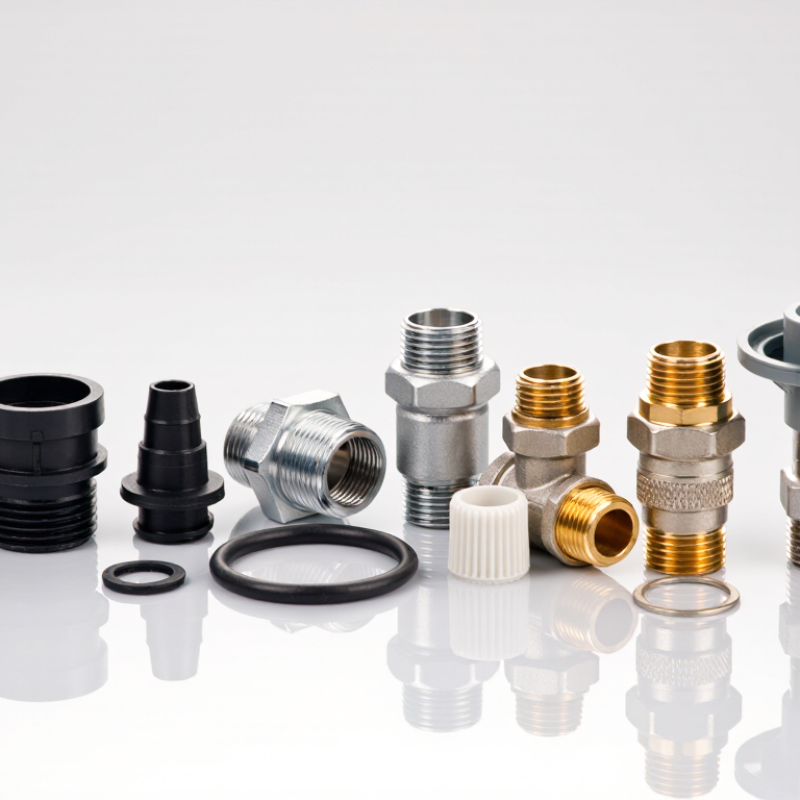
Top 10 IBC Tank Fittings for Global Buyers?

IBC Tank Fitting Basics and Global Selection Criteria

Top 10 IBC Tank Fittings for Global Buyers

IBC Tank Fitting Basics and Global Selection Criteria

Intermediate bulk containers commonly use ten fitting groups: outlet valves, adapters, caps, gaskets, vents, couplings, reducers, camlock connectors, dip tubes, and grounding accessories. Each part affects discharge speed, sealing reliability, or cleaning access. Grand View Research’s 2024 IBC market assessment projects approximately 5.7% annual growth through 2030. That growth increases fitting choices, but it also increases selection mistakes.

Start with the container outlet size, thread profile, and valve material. Polypropylene suits many general liquid applications, while stainless steel supports higher chemical and temperature demands. Always verify chemical compatibility using supplier data, not appearance alone. ISO 16103 provides guidance for recycled plastics used in dangerous-goods packaging, while UN packaging requirements may apply during international transport. Check the container’s certification and intended service.

Details matter.

A gasket that softens at 60°C can cause leakage during warm filling. A mismatched thread may look secure but fail under vibration. Global buyers should confirm DN dimensions, pressure limits, temperature range, food-contact requirements, and regional connection standards. Field inspections often find that adapters were selected before measuring the original valve. That shortcut is expensive. Honestly, even experienced teams can overlook vent capacity or cleaning clearance. A written compatibility check, supported by technical datasheets and test records, is safer than relying on catalog photographs.

The Top 10 IBC Tank Fittings by Function and Application

The Top 10 IBC Tank Fittings by Function and Application

Global buyers usually select fittings by product, discharge speed, and cleaning method. A 2024 Grand View Research assessment estimates the industrial bulk container market at about USD 1.5 billion, with growth above 6% annually. That expansion increases demand for reliable, interchangeable connections.

For controlled discharge, choose 1) bottom outlet valves and 2) outlet adapters. Camlock couplings rank third for fast hose changes. Threaded caps provide a secure fourth option during storage. Replaceable gaskets are fifth, especially when chemicals or food products demand material compatibility. Dust caps make sixth, limiting dirt around unused outlets. Pressure-relief vents are seventh for containers exposed to temperature changes. Sight gauges are eighth, helping operators check liquid levels without opening the tank. Dip tubes are ninth for residual-volume reduction. Grounding points are tenth in operations handling flammable liquids.

Small details matter. A poorly seated gasket can leak before the valve shows damage. European Chemical Industry Council guidance repeatedly emphasizes compatibility, inspection, and controlled handling for bulk containers. ISO 16103 and UN 31HA1 requirements also influence fitting selection, especially for transport packaging.

In practice, polypropylene suits many general liquids, while fluoropolymer seals may resist aggressive chemicals better. That choice is not universal. I have seen buyers specify a valve correctly but overlook the gasket. The result was premature swelling and downtime. Check thread size, outlet diameter, temperature range, seal material, and cleaning access before ordering. A cheaper fitting can become the expensive one.

Top 10 IBC Tank Fittings for Global Buyers? - The Top 10 IBC Tank Fittings by Function and Application

No. IBC Tank Fitting Primary Function Typical Application Common Materials Typical Size or Connection Key Buying Considerations
1 Ball Valve On/off flow control Water, chemicals, detergents, oils and liquid additives Polypropylene, polyethylene, PVC or stainless steel; elastomer seals Usually connected to the IBC outlet through a compatible valve adapter; outlet sizes commonly include 2 in or DN50 Confirm media compatibility, pressure rating, seal material and outlet thread or flange type
2 Butterfly Valve High-volume flow isolation Water treatment, bulk liquid transfer and repeated dispensing Polypropylene, PVC, ductile iron or stainless steel; EPDM, FKM or similar seals Commonly used on larger process lines; connection dimensions vary by tank outlet and piping system Check face-to-face dimensions, operating torque, seal type and compatibility with the connected hose
3 Camlock Coupling Fast hose connection and disconnection Temporary transfer lines, filling stations and mobile liquid handling Polypropylene, stainless steel, aluminum or brass; sealing gasket required Commonly available in 1 in, 1.5 in, 2 in and 3 in nominal sizes Match coupling type, nominal size, pressure rating and gasket material; avoid mixing incompatible profiles
4 Threaded Outlet Adapter Converts the IBC outlet to a standard pipe or hose thread Connecting valves, pumps, hose tails and pipe fittings Polypropylene, nylon, PVC or stainless steel Outlet threads may be coarse buttress-style or other proprietary IBC profiles; downstream threads may be BSP or NPT Measure the existing outlet profile and thread standard instead of relying only on nominal diameter
5 Hose Tail or Hose Barb Creates a secure hose connection Gravity discharge, pump transfer and low-to-moderate pressure hose assemblies Polypropylene, nylon, brass or stainless steel Selected according to hose inside diameter; often paired with a hose clamp or crimped connection Match barb diameter to the hose ID and verify clamp style, working pressure and chemical resistance
6 Reducing Adapter Connects different outlet and hose or pipe sizes Adapting a large IBC discharge outlet to a smaller dosing or transfer line Polypropylene, PVC, nylon or stainless steel Typical transitions include an IBC outlet to 1 in or 1.5 in hose or threaded connection Check flow capacity, thread compatibility, sealing method and whether the reduction creates excessive pressure loss
7 Gasket and Seal Set Prevents leakage at threaded and coupled joints Replacement maintenance, spill prevention and chemical service EPDM, FKM, PTFE, nitrile rubber or silicone, depending on the service Must match the valve, cap, adapter or coupling groove and dimensions Select by chemical compatibility, temperature range, compression behavior and food-contact requirements where applicable
8 Filling Cap and Vent Cap Closes the top opening and manages tank venting Storage, transport and controlled filling of non-pressurized liquids High-density polyethylene, polypropylene and elastomer gasket materials Common top openings are approximately 6 in or 9 in, but dimensions vary by IBC design Use only for systems designed for atmospheric or specified low-pressure venting; verify cap diameter and vent design
9 Quick-Disconnect Coupling Rapid connection with reduced spillage during line changes Closed transfer, dosing skids, pumping systems and frequent container replacement Polypropylene, acetal, brass or stainless steel; seals selected for the liquid Available with hose barb, threaded or other connection ends in multiple nominal sizes Check coupling profile, shut-off function, pressure rating, temperature range and cleanability
10 Drain Plug or Outlet Cap Provides secondary closure and protects the outlet Transport, storage, maintenance and leak protection after valve closure Polypropylene, polyethylene or stainless steel; gasket or O-ring may be included Must match the outlet valve or adapter profile and thread dimensions Confirm fit, sealing surface, tamper resistance and compatibility with transport regulations for the liquid

Note: Actual dimensions, connection profiles, pressure limits and material compatibility vary by IBC design and liquid service. Always verify the tank outlet, thread standard, gasket material and applicable transport or safety requirements before purchasing.

Material, Thread, Size, and Compatibility Considerations

Top 10 IBC Tank Fittings for Global Buyers?

IBC tank fittings often look interchangeable, but small differences can cause leaks, delays, or failed connections. Common choices include outlet adapters, ball valves, camlock couplings, quick-connect fittings, threaded caps, reducers, elbows, gaskets, dust caps, and drain extensions.

Material selection matters. Polypropylene suits many general liquids, while stainless steel offers stronger chemical and temperature resistance. HDPE fittings are lightweight and practical for compatible containers.

Thread and size must match precisely. S60x6 is widely used, but it is not universal. Some tanks use different buttress threads or outlet dimensions. Measure the external diameter, thread pitch, and valve opening before ordering. Two-inch and three-inch outlets are common, yet a reducer may be necessary for smaller hoses.

Check gasket material carefully. EPDM, FKM, and silicone perform differently with oils, solvents, acids, and temperature changes.

A fitting can be chemically resistant while its seal fails.

Tips: Request a drawing, thread profile, and material certificate from the supplier. Confirm working temperature, pressure, and fluid compatibility in writing. Inspect the gasket after installation. Do not rely only on product photos. In real purchasing work, this is where mistakes happen. A visually correct fitting may still leak because the thread standard is wrong. Global buyers should also check container age, outlet condition, and transport vibration. Compatibility deserves more attention than appearance.

Installation, Maintenance, and Safety Requirements

For global buyers, the safest IBC fitting choice starts with the liquid, outlet thread, and working temperature. Common essentials include an outlet valve, threaded adapter, dust cap, blind cap, gasket, elbow, tee, reducer, camlock coupler, and sample port. Each fitting must match the container outlet precisely. A loose thread can leak during transport. I have found that written measurements prevent costly assumptions. Ask for thread form, diameter, gasket material, and pressure rating before ordering. Small details matter.

Installation should happen on a clean, level surface. Inspect the valve body, threads, and sealing face for cracks or embedded dirt. Do not force a mismatched adapter. Hand-tighten first, then use the recommended tool and torque. Over-tightening can deform a gasket. Under-tightening can release liquid. Keep the cap fitted whenever the outlet is unused. During transfer, secure hoses against sharp bends and support their weight. A drip tray helps reveal problems early.

Maintenance records should identify the fitting, date, liquid handled, inspection result, and replacement action. Rinse compatible components according to the liquid’s safety instructions. Never mix cleaning chemicals casually. Replace hardened, swollen, cut, or flattened gaskets immediately. Check valves before every filling and after every movement. Wear suitable gloves, eye protection, and protective clothing. Ventilation is essential where vapors may collect. Stop work if pressure, odor, or leakage changes unexpectedly. I still see teams skip the final leak check when schedules tighten. That shortcut needs reconsideration. Follow the container maker’s instructions and applicable local requirements.

International Standards, Sourcing, and Cost Evaluation

Top 10 IBC Tank Fittings for Global Buyers
International Standards, Sourcing, and Cost Evaluation

Global buyers should evaluate ten core IBC fittings: outlet valves, threaded adapters, camlock couplings, quick-connect couplings, dust caps, protective caps, replacement gaskets, vented caps, dip tubes, and hose-tail connectors. Each part must match the container neck, outlet thread, pressure rating, and fluid compatibility. A common S60x6 thread is not universal. Confirm the technical drawing before ordering.

The UNCTAD Review of Maritime Transport 2023 states that more than 80% of global merchandise trade by volume moves by sea. Therefore, fittings need secure sealing, corrosion resistance, and packaging that tolerates long transit. For regulated transport, check the IBC’s UN 31HA1 marking and applicable ADR or IMDG requirements. ISO 16103 provides guidance for transport packaging used with dangerous goods. Food-contact applications may also require regional compliance, such as EU Regulation 1935/2004 or relevant United States requirements.

Sourcing decisions should compare landed cost, not only unit price. Include tooling, minimum order quantities, spare parts, freight, inspection, and failure-related losses. PlasticsEurope reported global plastics production of 400.3 million tonnes in 2022, showing the scale of material supply, but volume does not guarantee quality. Ask for resin data, gasket composition, batch records, and leak-test results. Test samples with the actual liquid. It is easy to overlook temperature changes. A cheaper valve may require more replacements, while an expensive fitting may still fail when its gasket is incorrectly selected. Supplier audits help, but they are not perfect. Specification discipline remains essential.