Top 10 Tips for Choosing the Right Poly Septic Tank?
Choosing the right poly septic tank is crucial for effective waste management. A poly septic tank offers advantages like durability and resistance to corrosive materials. However, not every poly septic tank is suitable for every property. Understanding your specific needs can lead to better results.
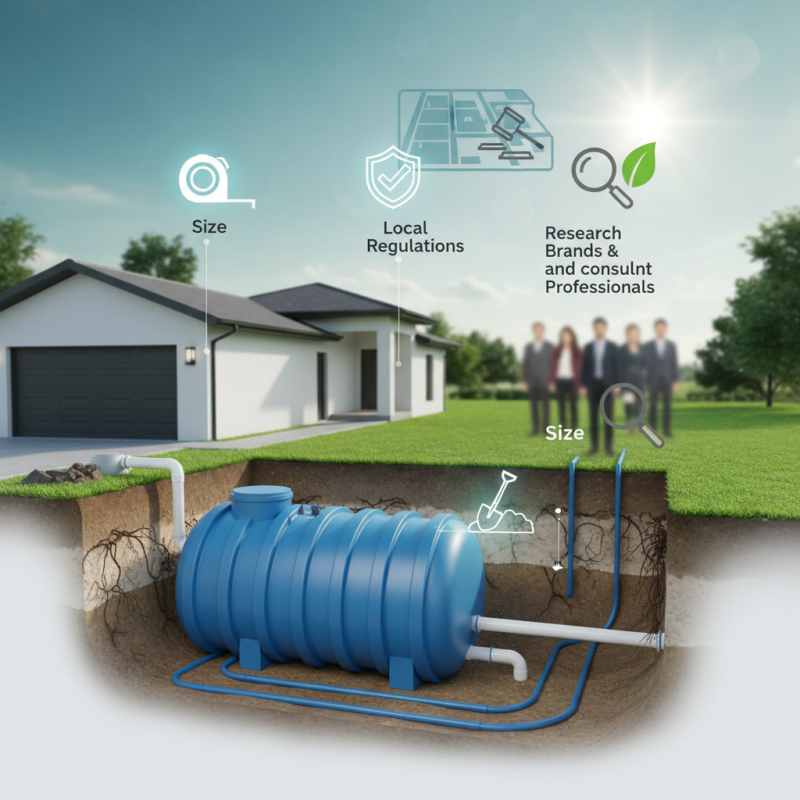
Consider factors such as tank size, installation type, and local regulations. Many homeowners overlook these aspects, resulting in costly mistakes. Your poly septic tank must meet your household needs while adhering to local guidelines. This can be a complex task, requiring attention to detail.
It is important to research reputable brands and consult professionals. Relying on user reviews and expert advice is invaluable. A small oversight during selection can cause significant issues in the future. Be aware that the right choice can enhance your property's functionality and environmental safety.
Understanding Poly Septic Tanks: Features and Benefits
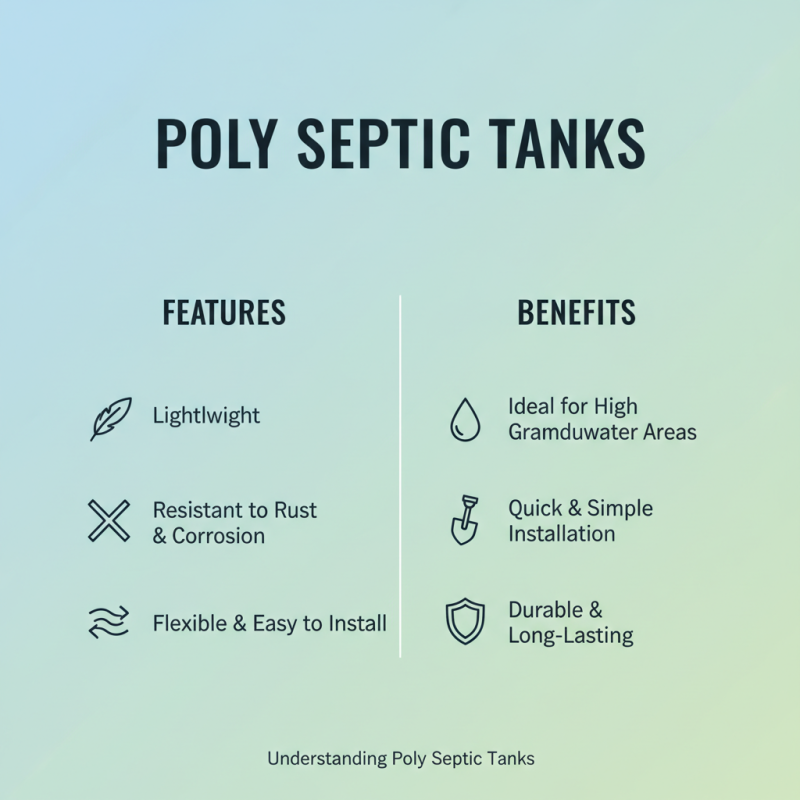
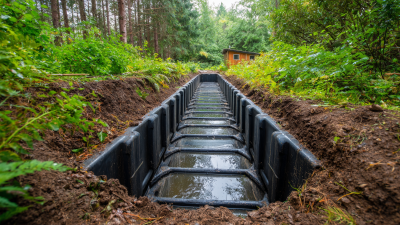
Poly septic tanks are increasingly popular due to their unique features and advantages. These tanks are lightweight and resistant to rust and corrosion. This makes them an excellent choice for various environments, especially in areas with high groundwater. Their flexible nature allows for easy installation, even in tight spaces.
One significant benefit is their durability. Unlike concrete, poly tanks do not crack under pressure. This reliability can lead to fewer repairs over time. Many homeowners appreciate the reduced maintenance requirements. However, it's essential to be aware of the potential for UV degradation. Properly covering the tank can help prolong its lifespan.
While poly septic tanks offer numerous benefits, they may not suit every situation. Ensure you consider your local soil conditions and regulations. It's also crucial to evaluate the tank's size based on your household's needs. Balancing all these factors will help you make an informed decision. A well-informed choice can lead to long-term satisfaction and efficiency.
Assessing Your Property Needs for a Suitable Septic Tank
Choosing the right poly septic tank starts with understanding your property’s specific needs. According to the National Environmental Services Center, approximately 25% of U.S. homes rely on septic systems for wastewater treatment. This statistic underscores the importance of selecting a tank that fits your landscape and usage requirements.
Consider your household size and water usage patterns. Larger families may create more wastewater, necessitating a bigger tank.
Soil type also plays a crucial role in your decision. Sandy soils drain quickly, while clay soils retain water. A study by the U.S. Environmental Protection Agency highlights that improper tank selection can lead to system failure, resulting in costly repairs. Performing a soil percolation test can guide you in choosing a septic tank with the appropriate size and design for optimal performance in your specific environment.
Local regulations should not be overlooked either. Some areas have strict guidelines on tank installation and maintenance. Ignorance of these laws can lead to fines or even mandated removal of non-compliant systems. Working with local health departments can ensure that you meet all requirements effectively. These steps help build a reliable septic system that maintains proper wastewater management in your home.
Key Factors to Consider: Size, Capacity, and Local Regulations
When selecting the right poly septic tank, size and capacity are crucial.
Assess the number of people in your household.
A small family may require less capacity, while larger families need more.
Standard sizes range from 500 to 2000 gallons.
An undersized tank can lead to frequent backups and costly repairs.
Local regulations significantly influence your choice.
Each area has guidelines for septic systems.
Understanding these rules ensures your tank is compliant.
Check for permits or inspections required by local authorities.
Failure to adhere could lead to fines or mandatory removal of the system.
Consider the installation site carefully.
Soil conditions affect tank performance.
Rocky or sandy soils may require different tank types.
Assess the ground slope and drainage as well.
An improper installation can cause issues down the line, such as leaks or premature system failure.
Always conduct thorough research before making a decision.
Evaluating Material Quality and Durability of Poly Septic Tanks
When selecting a poly septic tank, evaluating material quality and durability is crucial. A significant factor to consider is the type of polyethylene used. High-density polyethylene (HDPE) is preferred for its resistance to environmental stressors. According to a report by the Environmental Protection Agency, tanks made with HDPE can last over 30 years if properly maintained. However, not all suppliers adhere to this standard.
Another aspect is the thickness of the tank walls. Industry research indicates that tanks with a wall thickness of at least 1.5 inches are more resilient against cracking and structural failure. Many tanks fall short of this requirement, leading to premature failures. It's essential to inquire about the manufacturing processes and quality assurance protocols.
Installation practices play a role too. Improper installation can compromise even the best tanks. The Soil and Water Conservation Society recommends involving certified professionals for this task. Misalignment during installation can result in leaks, regardless of the tank's quality. Inquire about warranties, as they often reflect manufacturer confidence in material durability.
Comparing Costs: Budgeting for Purchase and Installation
When budgeting for a poly septic tank, it's crucial to understand the costs involved. Start with the tank price, which can vary widely based on size and quality. Installation fees are another significant factor. These costs can depend on your site's location and the complexity of the installation. It may be wise to get multiple quotes from local contractors.
Consider maintenance costs as well. A septic tank requires periodic inspections and pumping. These costs can add up over time. It's essential to account for them in your overall budget. Research local regulations for septic systems too. Sometimes, permitting fees can unexpectedly inflate your expenses.
For making the right choice, remember these tips. Choose a tank suited for your household size. A tank that is too small can lead to frequent backups. Look into the materials; ensure they can withstand local weather conditions. Finally, always seek advice from professionals when unsure. They can help clarify the best options for your needs.
Comparing Costs of Poly Septic Tanks: Budgeting for Purchase and Installation