How to Source Cast Steel for Your Manufacturing Needs?
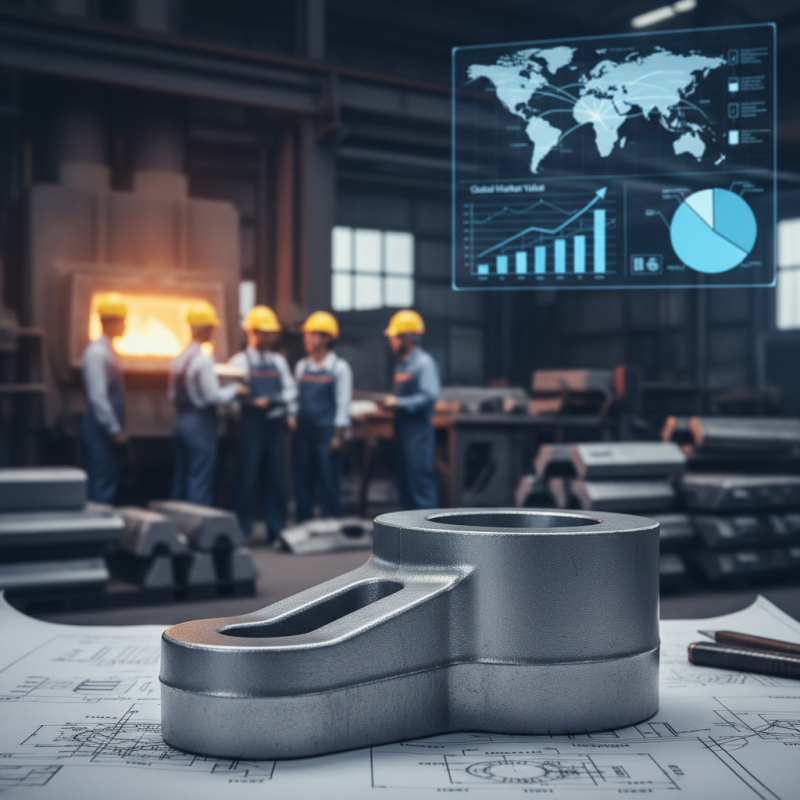
Sourcing Cast Steel for manufacturing is a complex task that requires careful consideration. The global cast steel market was valued at approximately $200 billion in 2022, as reported by Market Research Future. This figure highlights the significance of understanding market trends and supplier capabilities. An expert in the field, Dr. Emily Carter, emphasizes, “The quality of cast steel significantly impacts the durability of the final product.”
When searching for cast steel, knowledge of specifications is crucial. Different grades of cast steel serve varied industrial applications. Understanding these differences helps manufacturers make informed choices. Research shows that over 70% of production issues arise from material selection errors. This statistic underlines the importance of sourcing high-quality cast steel.
Moreover, the sourcing process is not without challenges. Manufacturers must navigate supplier reliability, pricing fluctuations, and delivery times. Transparency in these areas can make or break a project's success. Reflecting on your sourcing strategy now may reveal areas for improvement in your supply chain. Adopting a proactive approach will enhance your manufacturing outcomes.
Understanding Cast Steel: Properties and Applications
Understanding cast steel is crucial for manufacturing. This versatile material is known for its strength and durability. Cast steel contains iron, carbon, and other elements, making it suitable for various applications. It's often used in machinery, automotive, and construction due to its high tensile strength and resistance to wear.
When sourcing cast steel, consider its properties. Different grades and alloys exist, each offering unique characteristics. For instance, high-carbon cast steel is harder but less malleable. Low-carbon variants are easier to work with but may not perform under high stress.
Tips: Always consult with experts before making a selection. They can guide you through the grades and their applications. Additionally, test small samples to ensure they meet your standards. You might find that the first choice isn’t always the best fit. Reflecting on your requirements can save time and resources.
How to Source Cast Steel for Your Manufacturing Needs?
| Property | Description | Applications |
| Strength | High tensile strength and durability | Heavy machinery, automotive parts |
| Ductility | Ability to deform without breaking | Construction, piping systems |
| Corrosion Resistance | Resistance to environmental degradation | Marine applications, outdoor structures |
| Heat Resistance | Ability to maintain properties at high temperatures | Engine components, furnace parts |
| Machinability | Ease of shaping and finishing | Manufacturing tools, custom parts |
Identifying Your Manufacturing Requirements for Cast Steel
Identifying your manufacturing requirements for cast steel is crucial. Understanding your project's specifications helps in sourcing the right material. Consider the structural requirements, load capacities, and environmental factors. Reflect on the end application of the cast steel. Will it face high temperatures or corrosive elements? These details shape the types of steel needed.
Another aspect to consider is the manufacturing process. Will you use machining, welding, or casting techniques? Each method has different steel requirements. Engaging with engineers and metallurgists can provide insights into suitable grades and formulations. Ask questions about durability and workability. It can be beneficial to explore potential challenges during production.
It's essential to evaluate your supply chain options. Look for suppliers who can deliver consistent quality. However, pricing and lead times may vary. Remember, finding the right cast steel is often a balancing act. It requires reflection on both immediate needs and long-term goals.
Cast Steel Sourcing Data Analysis
Exploring Sources of Cast Steel: Suppliers and Manufacturers
Sourcing cast steel requires careful consideration of suppliers and manufacturers. Finding reliable sources is essential for meeting production demands. Many manufacturers specialize in cast steel, but quality can vary. It’s important to evaluate their capabilities and reputation.
When searching for suppliers, be proactive in requesting samples. This allows you to assess the quality and ensure it meets specifications. Consider the supplier’s production capacity as well. A capable supplier should handle varying order sizes. Look for those with experience in your specific industry.
Tips: Engage in discussions with potential suppliers. Ask about their production processes and quality assurance measures. Networking within your industry can yield valuable recommendations. Always read reviews or case studies. These insights can reveal the supplier’s reliability and performance history.
Evaluating Quality Standards for Cast Steel Products
When sourcing cast steel for manufacturing, evaluating quality standards is critical. Cast steel products require specific properties to ensure performance and safety. Key metrics include tensile strength, ductility, and hardness. According to the American Society for Testing and Materials (ASTM), the standard for cast steel varies based on industrial requirements.
One must consider testing methods to evaluate the quality. Tensile testing reveals the material’s ability to withstand forces. According to a report by ASTM, materials that pass tensile tests generally meet reliability expectations for industrial applications. However, variability exists. Not all manufacturers maintain strict adherence to standards. Buyers should demand certification and testing documentation.
Additionally, surface finish and dimensional accuracy are essential. Poor finishing can diminish the steel’s overall performance in applications. A study by the International Journal of Advanced Manufacturing Technology highlighted the impact of surface roughness on fatigue strength. Quality scrutiny often uncovers flaws that may not be visible at first glance. Reflecting on these factors ensures informed sourcing. Always prioritize credible inspection protocols and insist on compliance evidence.
Cost Considerations and Budgeting for Cast Steel Sourcing
When sourcing cast steel for manufacturing, understanding cost considerations is critical. Prices can fluctuate based on raw material costs, labor, and transportation. It’s crucial to establish a clear budget before engaging suppliers. Align your financial expectations with your production demands.
Tip: Research multiple suppliers. Compare prices and material quality. This step can uncover potential savings. Balance cost with the needed specifications to avoid future production issues.
A common pitfall is underestimating the total cost of sourcing. Don’t just look at the price per ton. Consider shipping fees, import taxes, and any additional processing costs. This way, you ensure that you’re choosing a sustainable option for your budget.
Tip: Review contracts thoroughly. Hidden fees can inflate your actual expenses. A detailed check can mitigate any surprises later on.
Quality should never be compromised in the name of saving money. While it's tempting to choose the cheapest option, it might lead to problems like increased scrap rates or product failures. Investing wisely upfront will pay off in the long run.