In the world of agricultural management, the choice of a water supply system is critical, especially when it comes to maintaining the health and wellness of livestock. A plastic water trough is a versatile and cost-effective solution that has gained considerable attention in recent years. Renowned expert in agricultural tools, Dr. James Whitmore, emphasizes the significance of this choice: "Selecting the right type of water trough can greatly influence not only water access for animals but also their overall health and productivity."
As more farmers transition to using plastic options due to their durability and lightweight properties, understanding the features and benefits of various plastic water troughs becomes essential. These troughs are not just about functionality; they also need to be chosen based on specific needs such as location, size, and the type of livestock being served. In this article, we will explore what a plastic water trough is, delve into its advantages, and provide guidance on how to choose the best one to meet your unique requirements.
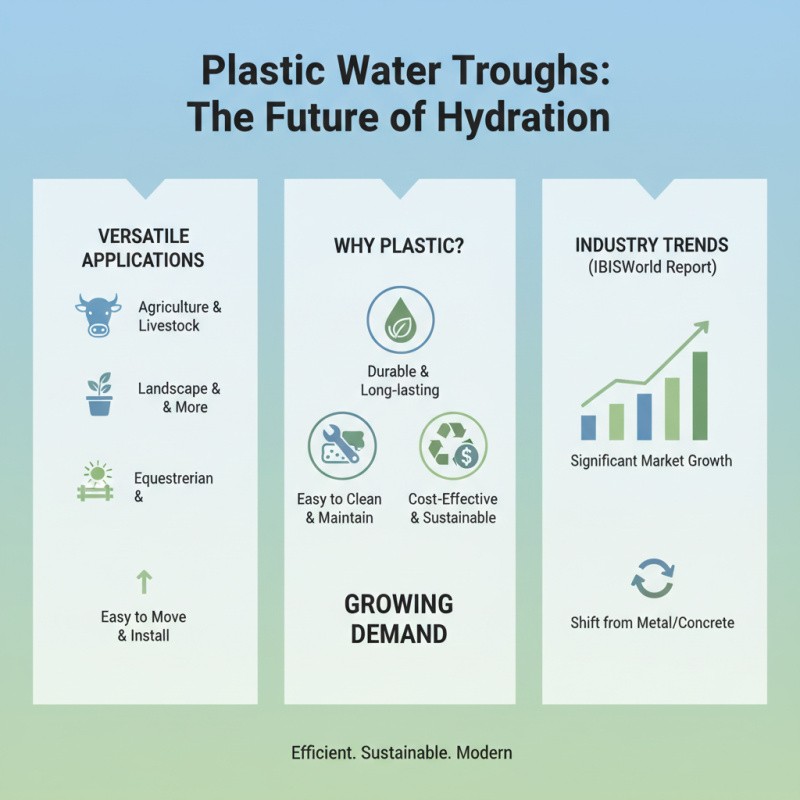
Plastic water troughs are widely utilized for various applications in agriculture, livestock management, and landscape maintenance. These durable and lightweight containers provide an efficient means to supply water to animals and plants. According to a recent industry report by IBISWorld, the demand for plastic water troughs has grown significantly, indicating a shift towards more sustainable and easily maintained solutions compared to traditional metal or concrete options.
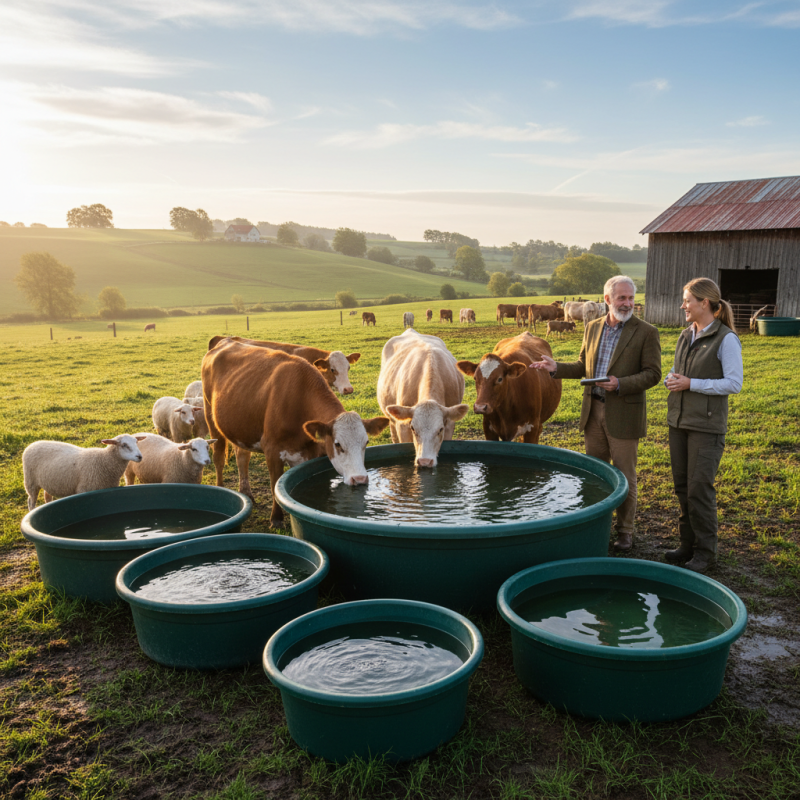
In the context of livestock management, plastic water troughs serve as vital resources for cattle, horses, and other farm animals. Their non-corrosive nature ensures longevity and reduces the risk of contaminant leaching into the water supply. Furthermore, an analysis by ResearchGate highlights that using plastic instead of traditional materials can minimize maintenance costs by up to 20%, making them an increasingly popular choice among modern farmers. The troughs are also easily customizable, allowing for variations in size, shape, and capacity to fit specific needs, thus maximizing usability in different environments.
In landscaping, plastic water troughs find use in ornamental ponds and irrigation systems, contributing to efficient water management. These troughs can hold substantial volumes of water while remaining lightweight, making them ideal for both residential and commercial landscaping projects. Additionally, studies show that implementing plastic troughs can lead to improved water retention strategies, balancing ecological needs with aesthetic functionality, which is crucial in environmentally conscious design practices today.
Plastic water troughs have gained popularity in agricultural and livestock management settings for several key reasons. One of the most significant advantages over traditional materials, such as metal or concrete, is their lightweight nature. This makes them easier to handle and install, reducing labor costs associated with transport and setup. According to a recent industry report by the American Society of Agricultural and Biological Engineers, plastics are becoming a preferred choice for farmers, as they can significantly lower transport and installation expenses by up to 20% compared to heavier materials.
Another critical benefit of plastic water troughs is their resistance to corrosion and rust, which is a common issue with metal troughs. A study published by the Journal of Agricultural Engineering found that plastic troughs can last up to 30% longer than their metal counterparts in certain environments, particularly in harsh weather conditions. Furthermore, plastic troughs are less prone to cracking and breaking, leading to lower replacement costs over time. This durability not only extends the lifespan of the troughs but also enhances the quality of water provided to livestock, as plastics do not leach the harmful chemicals often associated with aging metals.
This chart illustrates the key benefits of using plastic water troughs over traditional materials. The scores represent various advantages such as durability, weight, cost, maintenance, and insulation, with higher scores indicating a greater advantage for plastic water troughs.
When selecting a plastic water trough, size and capacity are crucial factors that directly impact its effectiveness and usability. According to a report by the American Society of Agricultural and Biological Engineers, the average daily water intake for cattle can range from 8 to 12 gallons, depending on factors such as age, size, and climate. Therefore, it is essential to calculate the number of animals that will use the trough and their collective water needs. For example, if you have a herd of 10 cattle, a trough with a capacity of at least 150 gallons would be ideal to ensure adequate water supply without frequent refill interruptions.
In addition to volume, the physical dimensions of the water trough play a pivotal role in its placement and accessibility. A trough that is too small may restrict access and lead to competition among animals, while an oversized unit could occupy valuable space in your environment. Data from the USDA indicates that ensuring adequate access to water sources helps to improve livestock productivity and welfare.
Typically, a larger trough, about 6 to 8 feet long, provides sufficient space for multiple animals to drink simultaneously, reducing stress and promoting healthier hydration habits. Ultimately, balancing size and capacity with the specific needs of your livestock will enhance the functionality of your water management system.
When choosing a plastic water trough, it’s essential to consider various brands and their specifications to ensure you select the best option for your needs. Different companies offer a range of troughs that differ in material quality, size, design, and durability. Some brands prioritize eco-friendly materials, while others focus on enhancing their products' structural integrity to withstand harsh weather conditions. When comparing these options, look for features such as UV resistance, ease of cleaning, and the availability of additional accessories like float valves to improve functionality.
In addition to material and durability, the capacity and dimensions of the trough are crucial factors. Depending on your requirements, you might need a smaller trough suitable for limited space, or a larger one capable of accommodating multiple animals. Assess the design of the trough as well; some may have shapes that prevent tipping or promote easy access for animals. Evaluating customer reviews can also provide insight into the performance and reliability of different brands, helping you make a more informed decision based on real-world experiences from other users.
| Feature | Trough Type A | Trough Type B | Trough Type C |
|---|---|---|---|
| Material | High-density polyethylene (HDPE) | Recycled plastic | Polypropylene |
| Capacity | 100 gallons | 150 gallons | 200 gallons |
| Dimensions (L x W x H) | 60" x 30" x 24" | 72" x 36" x 30" | 84" x 42" x 36" |
| Weight | 40 lbs | 55 lbs | 70 lbs |
| UV Resistance | Yes | Yes | Yes |
| Color Options | Blue, Black | Green, Black | Grey, White |
| Price | $150 | $180 | $220 |
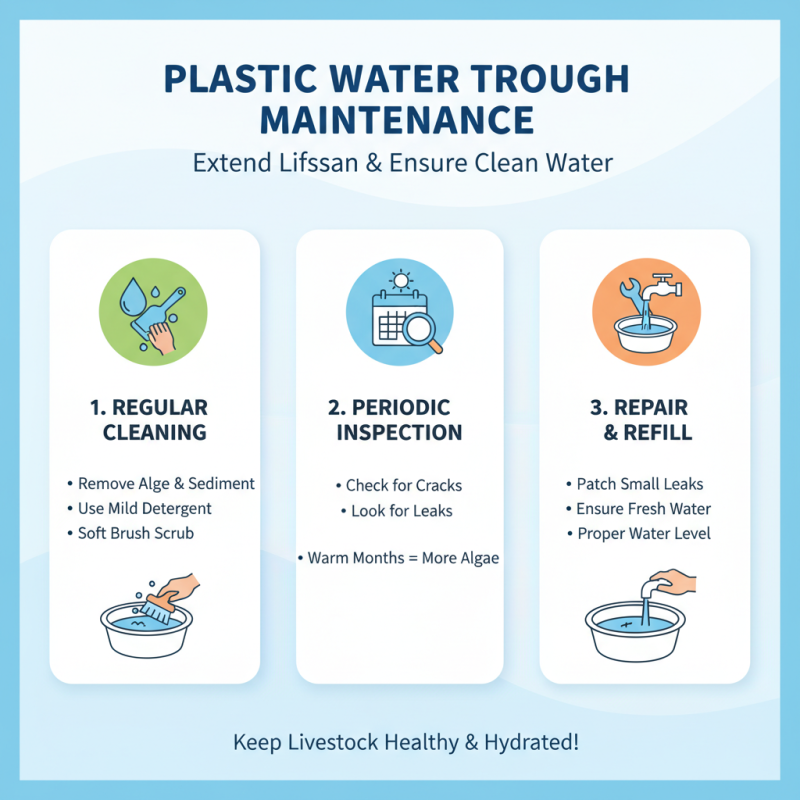
When it comes to plastic water troughs, proper maintenance is essential for extending their lifespan and ensuring they effectively serve their purpose. Regular cleaning is one of the most important maintenance tasks. Algae, sediment, and other residues can accumulate inside the trough, affecting water quality and potentially harming livestock. Use a mild detergent and a soft brush to scrub the interior surfaces periodically, particularly in warmer months when algae growth is more likely.
Another tip for prolonging the life of your plastic water trough is to manage exposure to extreme weather conditions. If possible, position the trough in a shaded area to minimize the sun’s damaging UV rays, which can lead to brittleness and cracking over time. Covering the trough during harsh winter months can also prevent potential freeze damage, ensuring it maintains its structural integrity. Regularly inspect the trough for signs of wear and tear, addressing any issues as soon as they arise to prevent larger problems in the future.