Why Are Plastic Storage Tanks Essential for Modern Industries?
In today's industrial landscape, plastic storage tanks play a vital role. They are essential for efficient operation and safety in various sectors. According to a report by Allied Market Research, the global plastic tank market is expected to reach $1.2 billion by 2025. This growth highlights the importance of these tanks in modern industries.
Plastic storage tanks are lightweight, corrosion-resistant, and economical. Industries such as chemical processing, agriculture, and food production rely heavily on them. For example, the agriculture sector uses these tanks for storing fertilizers and pesticides. Their durability and safety make them an ideal choice for hazardous materials.
However, challenges remain. Not all plastic tanks meet safety and environmental standards. Organizations must ensure they select high-quality products. It’s crucial to address these issues to maximize the benefits of plastic storage tanks while minimizing risks.
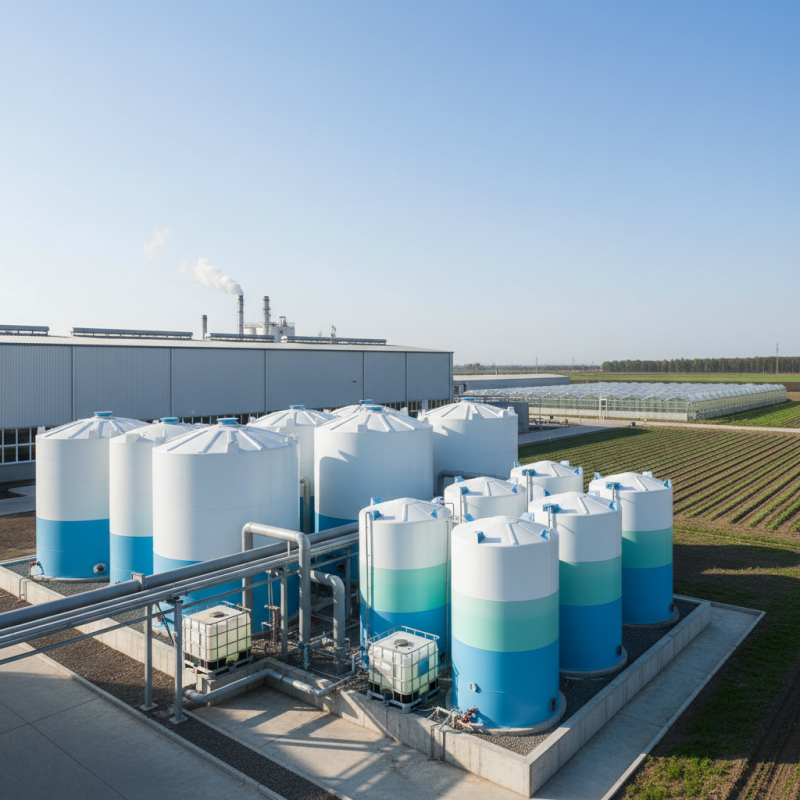
The Role of Plastic Storage Tanks in Modern Industrial Processes
Plastic storage tanks play a vital role in modern industrial processes. They are widely used for storing various liquids, including chemicals, water, and food-grade substances. Their lightweight nature makes them easy to install and relocate. Additionally, plastic tanks are resistant to corrosion and various chemicals, making them ideal for diverse applications.
Many industries rely on these tanks for efficiency. They are crucial in agriculture for storing fertilizers. In the food industry, they prevent contamination. The versatility of plastic storage tanks can enhance operations significantly. Regular inspections ensure longevity and safety. Unsafe practices can lead to spills and waste.
**Tip:** Always choose a tank that fits your specific needs. Assess the materials stored and environmental factors.
When selecting a tank, consider factors like size and shape. Ensure proper installation to avoid leaks. Plastic tanks can degrade over time if not maintained correctly.
**Tip:** Use UV-resistant tanks for outdoor storage. This can prolong the life of the tank significantly. Protecting your investment is essential for operational success.
Why Are Plastic Storage Tanks Essential for Modern Industries?
| Industry Sector |
Application |
Benefits of Plastic Tanks |
Typical Capacity (Gallons) |
| Chemical Manufacturing |
Storage of hazardous chemicals |
Corrosion resistance, lightweight |
500-10,000 |
| Food and Beverage |
Storage of liquids like juices and syrups |
Food-grade certified, easy to clean |
100-5,000 |
| Agriculture |
Water and fertilizer storage |
Durable, UV resistant |
250-20,000 |
| Oil and Gas |
Storage of crude oil and its derivatives |
Impact resistant, leak-proof |
1,000-50,000 |
| Pharmaceuticals |
Storage of active ingredients |
Non-reactive, sterilization capable |
100-10,000 |
Benefits of Using Plastic Storage Tanks Over Traditional Materials
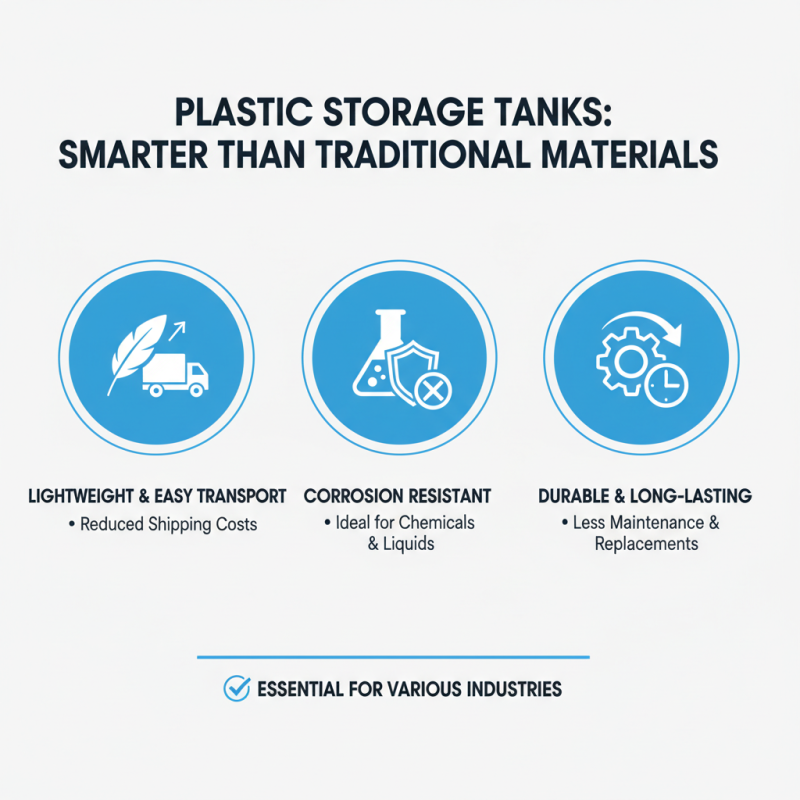
Plastic storage tanks have become essential for various industries due to their numerous advantages over traditional materials. They are lightweight and easy to transport, which can reduce shipping costs. Unlike metal tanks, plastic tanks resist corrosion, making them suitable for storing chemicals and liquids safely. This durability ensures a longer lifespan, leading to fewer replacements and maintenance issues.
Furthermore, plastic tanks offer versatility in design. They can be molded into different shapes and sizes, catering to specific needs. This adaptability means they can fit into tighter spaces often found in modern facilities. However, the production process does raise some environmental concerns. Not all plastics are equally sustainable, and improper disposal can lead to lasting harm. Industry leaders must address these issues thoughtfully.
When comparing costs, plastic tanks often prove more economical in the long run. They require lower energy for production compared to metal alternatives. Additionally, their lighter weight can reduce transport emissions. This shift towards more sustainable practices is crucial as industries aim to minimize their environmental footprint. However, the challenge remains in finding the right balance between efficiency and sustainability.
Common Applications of Plastic Storage Tanks Across Various Industries
Plastic storage tanks play a vital role across various industries. They are commonly used in agriculture, manufacturing, and food processing. These tanks store chemicals, fertilizers, and liquids with ease. Their lightweight nature makes them easy to transport and install. They resist corrosion, providing a long-lasting storage solution. However, it is essential to ensure that they are not exposed to extreme temperatures. This could affect their durability.
In agriculture, plastic tanks are vital for irrigation and chemical storage. Farmers use them to hold water and nutrients essential for crop growth. In manufacturing, they store essential materials efficiently. Companies rely on these tanks for safety and reliability. Food processing industries benefit from their ease of cleaning and sanitation. However, there are lingering concerns about chemical leaching into stored products.
Despite their advantages, plastic tanks have limitations. They may not withstand high-pressure situations. Regular inspections are necessary to check for wear and tear. This responsibility often goes overlooked. It is important to stay aware of these factors. Ultimately, understanding common applications helps industries make informed decisions about their storage needs.
Factors to Consider When Choosing Plastic Storage Tanks
When selecting plastic storage tanks, multiple factors should be considered. The material of the tank plays a vital role. High-density polyethylene (HDPE) tanks are popular due to their resistance to impact and chemicals. According to a report from the Plastic Industry Association, 60% of industrial users prefer HDPE for its durability.
Tank capacity is another key aspect. Many businesses struggle to find the right size. Oversized tanks can lead to wastage, while undersized ones may cause frequent refills. A 2022 study found that incorrect sizing can increase operational costs by up to 20%. It’s crucial to assess current and future needs properly.
Furthermore, consider the tank's UV stability. Exposure to sunlight can degrade plastic tanks over time. A study by the American Society for Testing and Materials highlighted that about 30% of plastic tanks show signs of wear due to UV exposure within five years. If a tank fails, it can mean costly replacements and environmental risks.
Innovations in Plastic Tank Technology for Enhanced Efficiency
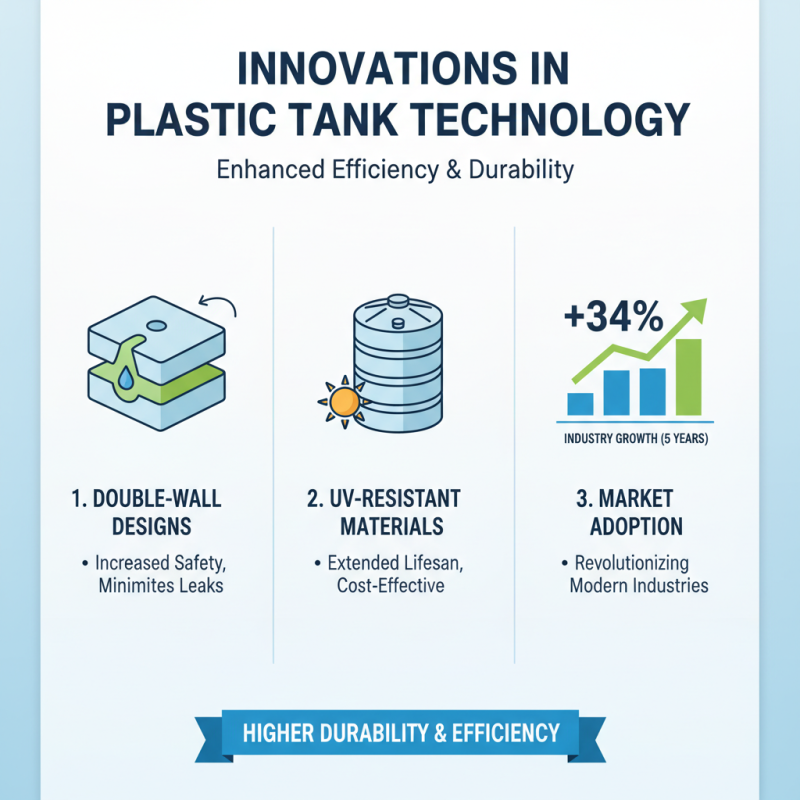
Plastic storage tanks have revolutionized modern industries. With advancements in technology, these tanks now offer higher durability and efficiency. A recent industry study indicates that the use of plastic tanks has increased by 34% over the past five years, showing their growing importance. Innovations like double-wall designs enhance safety by minimizing leaks. Furthermore, UV-resistant materials extend lifespan, making them cost-effective.
Tips: Regular maintenance checks are crucial. Inspect seams and valves often. This simple habit can prevent costly leaks and replacements.
Another notable trend is the rise of lightweight designs. These tanks are easier to transport and install. Many industries now report a 25% reduction in transportation costs due to this innovation. However, not every solution is perfect. Some lightweight tanks may not withstand extreme conditions as well as traditional materials.
Tips: Always consider your specific needs. Assess environmental factors before choosing tank materials. Understanding the limitations can guide better choices.