What is a Plastic Pipe and How to Choose the Right One?
Plastic pipes have revolutionized many industries, serving as a vital component in plumbing, irrigation, and construction. Choosing the right plastic pipe is essential for ensuring long-term success and reliability of any project. With various types available, understanding their unique properties becomes imperative.
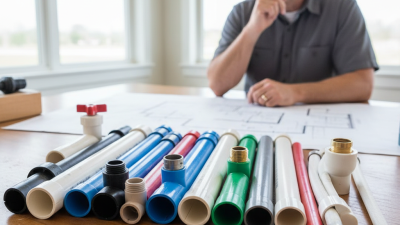
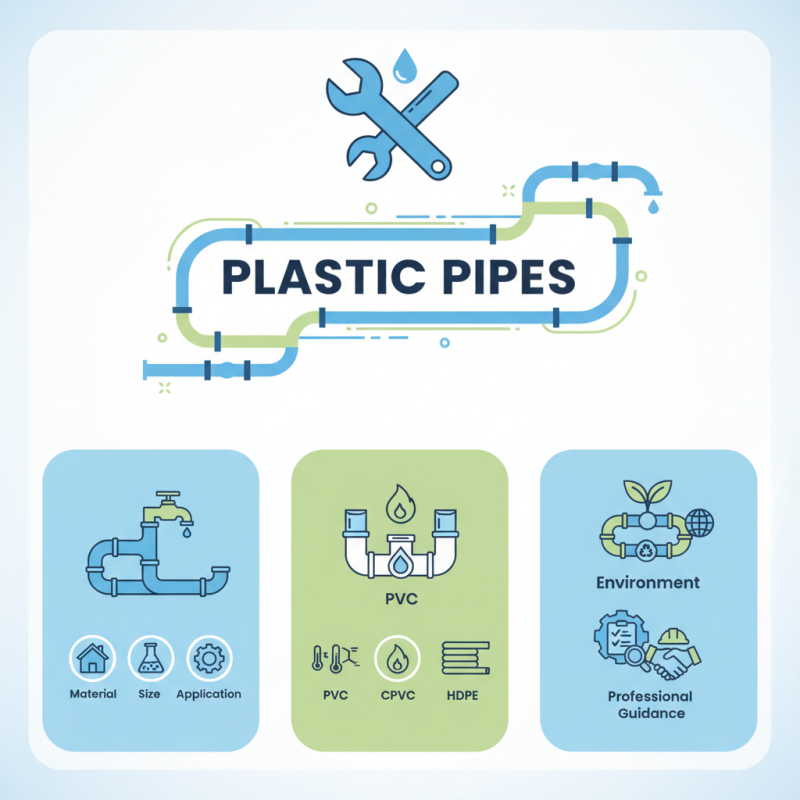
When selecting a plastic pipe, consider factors like material, size, and application. Options include PVC, CPVC, and HDPE. Each has its benefits and drawbacks depending on the intended use. For instance, PVC is strong and resistant to chemicals, making it ideal for plumbing systems. However, it is not suitable for high-temperature applications.
It's important to reflect on the specific needs of your project. Are you mindful of the environment? Some plastic pipes are more sustainable than others. An informed choice not only enhances functionality but also impacts the durability of your installation. Ultimately, thorough research and professional guidance can clarify which plastic pipe meets your requirements best.
Definition and Overview of Plastic Pipes
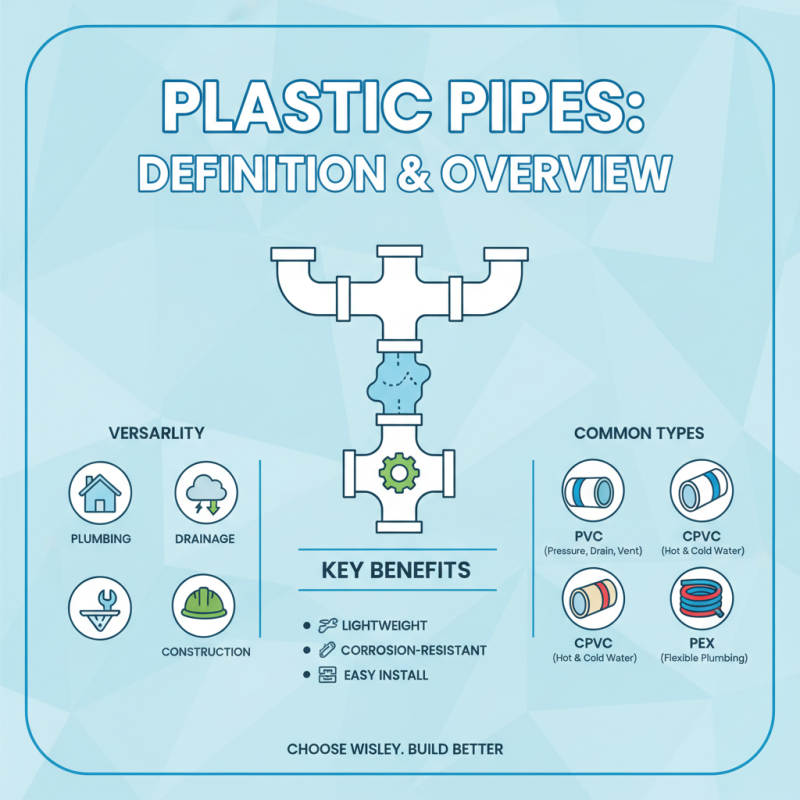
Plastic pipes are versatile materials used in plumbing, drainage, and construction. They are lightweight, resistant to corrosion, and easy to install. These pipes come in various types, each suited for specific applications. Common types include PVC, CPVC, and PEX. Understanding the characteristics of each type helps in making informed choices.
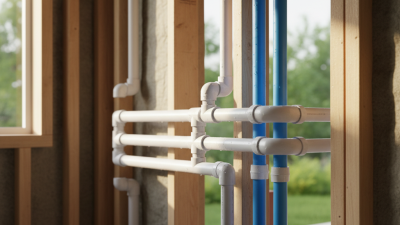
When selecting a plastic pipe, consider its intended use. For cold water systems, PVC is often ideal due to its durability and affordability. However, if you need a pipe for hot water, CPVC is more suitable. PEX pipes are flexible, making them an excellent choice for retrofitting and complex layouts.
**Tips:** Always check the pressure ratings of the pipe. This ensures it can handle the demands of your project. If uncertain, consult with an expert. Choosing the wrong type can lead to leaks or other issues down the line. Remember to think about the variability in your local climate, as it may affect the pipe's performance over time.
Types of Plastic Pipes and Their Applications
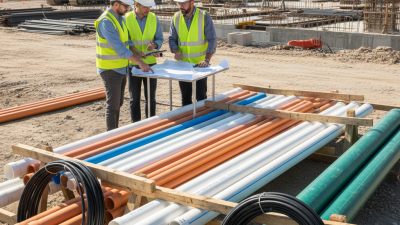
Plastic pipes come in various types, each suited for different applications. One common type is PVC (polyvinyl chloride). PVC pipes are lightweight and resistant to corrosion. They are widely used for drainage and plumbing. Another popular choice is CPVC (chlorinated polyvinyl chloride). CPVC can handle higher temperatures, making it ideal for hot water systems.
PP (polypropylene) pipes are also worth noting. They are flexible and can be used for both hot and cold water. These pipes are often used in industrial settings. Lastly, PEX (cross-linked polyethylene) is known for its ease of installation. PEX is commonly used in residential plumbing due to its resistance to scale and chlorine.
Choosing the right type can be challenging. Each pipe has unique features and suitable applications. Consider the pressure, temperature, and the environment where the pipe will be installed. Reflecting on these factors helps to ensure longevity and performance. Exploring options can lead to better, more informed decisions, minimizing future issues.
Factors to Consider When Choosing Plastic Pipes
When choosing plastic pipes, several factors will significantly influence your decision. The material type is critical. PVC, CPVC, and PEX are popular options. Each offers unique benefits and challenges. According to a report by the Plastics Pipe Institute, using PVC pipes can reduce energy costs by up to 23%. This efficiency is vital for long-term projects.
Consider the pressure requirements. The American Society for Testing and Materials (ASTM) has set standards for various plastic pipes. Ensuring that the pipe can handle the specific pressure demands is essential. Failing to do so could lead to leaks or bursts. Be mindful of the temperature range too. Each plastic type has its limitations, and exceeding them can result in failure.
Installation practices also affect long-term performance. Proper installation ensures durability and compliance with local codes. In some cases, improper installations may void warranties. It’s crucial to adhere to guidelines. Also, consider the environmental impact. Sustainable options are available, but many factors should be weighed. Always refer to local regulations and industry standards when in doubt.
Comparison of Plastic Pipes vs. Other Materials
When comparing plastic pipes to traditional materials, several factors emerge. Plastic pipes, such as PVC and PE, offer significant advantages over metal or concrete options. According to a recent report by the Plastic Pipe and Fittings Association, plastic pipes are lightweight and corrosion-resistant. This feature reduces installation costs and increases durability, which is critical for long-term use.
Moreover, plastic pipes can achieve substantial savings in energy and maintenance. A study by Frost & Sullivan suggests that using plastic pipes can save up to 57% in energy costs due to their insulating properties. This efficiency is particularly beneficial in hot water applications. While plastic pipes excel in many areas, potential drawbacks include lower pressure ratings compared to some metals. This can limit their use in high-pressure systems.
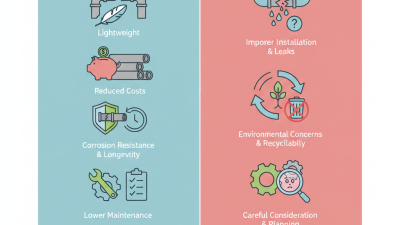
The flexibility of plastic materials allows for complex installations that metal pipes may not handle well. For residential or commercial uses, this adaptability can save labor costs. However, environmental concerns surrounding plastic production and disposal cannot be ignored. Many experts call for ongoing research into recycling methods and sustainable practices.
What is a Plastic Pipe and How to Choose the Right One? - Comparison of Plastic Pipes vs. Other Materials
| Property |
Plastic Pipes |
Metal Pipes |
Ceramic Pipes |
| Weight |
Lightweight |
Heavy |
Moderate |
| Corrosion Resistance |
Yes |
No |
Yes |
| Cost |
Low |
High |
Medium |
| Durability |
High |
Very High |
High |
| Installation |
Easy |
Complex |
Moderate |
| Temperature Resistance |
Moderate |
High |
Very High |
Installation and Maintenance Tips for Plastic Pipes
When considering installation and maintenance of plastic pipes, attention to detail is crucial. Choose pipes that meet industry standards for durability. For instance, the American Society for Testing and Materials (ASTM) provides specifications that can help ensure quality. Over 20% of plumbing failures are linked to inadequate pipe installation. This statistic highlights the need for accurate measuring and cutting during installation.
Regular maintenance also plays a vital role. Inspect joints and connections for leaks every 6 months. This can reduce water waste significantly. According to the U.S. Environmental Protection Agency, leaks can account for 10,000 gallons of water loss per year in an average home. Utilizing appropriate tools during installation can prevent future issues. Always consider temperature variations. Extreme heat or cold can affect plastic pipes, leading to expansion or contraction.
Many individuals overlook the importance of proper support throughout the pipe run. Unsupported sections can sag, leading to misalignment and stress on joints. Regular checks can catch these problems early. Investing time in installation and maintenance can prolong the life of plastic pipes, ultimately saving costs and promoting efficiency.