How to Optimize Your Automated Warehouse System by 2026?
As we look ahead to 2026, optimizing your Automated Warehouse System becomes crucial. The integration of advanced technologies, like AI-driven solutions, can transform logistics. For example, AI capabilities similar to those introduced at the 2026 Canton Fair enhance search efficiency. They streamline vendor selection by filtering suppliers based on certifications like ISO and CE.
Moreover, intelligent navigation systems can redefine how warehouses operate. Imagine a scenario where the layout of a 155,000 square meter facility is mapped automatically. This technology significantly boosts transition speeds, minimizing downtime. However, reliance on automation may overlook human input, necessitating continuous feedback loops.
The future warehouse should balance innovation with a thoughtful approach. Recognizing this could lead to improvements in operational efficiency. Yet, the path to optimization must not ignore the challenges within automated systems. Embracing this complexity can yield substantial benefits for businesses eager to stay competitive.
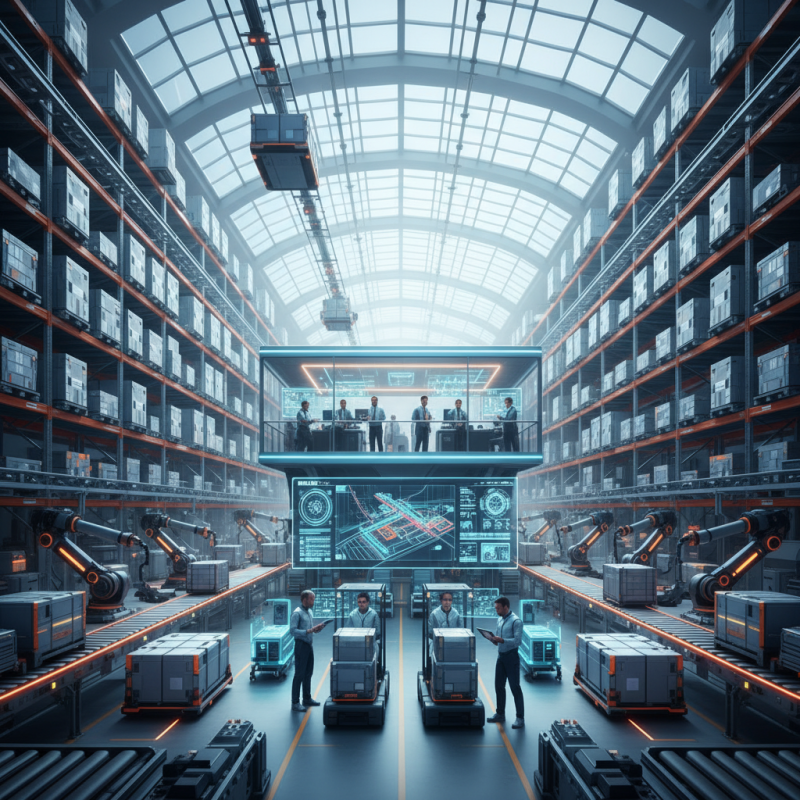
Understanding the Current Landscape of Automated Warehouse Systems
The current landscape of automated warehouse systems is evolving rapidly.
According to a recent report by the International Federation of Robotics, the global market for warehouse automation is expected to reach $37.4 billion by 2026. This growth reflects the significant demand for efficiency and accuracy in logistics. Automated systems can increase order fulfillment rates by up to 30%. This is crucial for companies looking to stay competitive.
Despite these advancements, many facilities still face challenges. A survey by Logistics Management revealed that 66% of warehouse operators see integration issues as a major hurdle. Automating a system doesn't guarantee seamless operation. Implementation can lead to unforeseen downtime. Additionally, training staff to work alongside these systems remains a critical concern. The human element is often overlooked when optimizing automation.
Moreover, data from the Warehousing Education and Research Council indicates that not all warehouses reap the expected benefits of automation. Around 40% report dissatisfaction with return on investment. This points to the need for ongoing evaluation and adjustment of strategies. The future of warehouse automation should focus on technology, but also on the human factors that drive success.
Key Technologies Driving Optimization in Warehouse Automation
Optimizing warehouse systems is crucial by 2026. Key technologies will lead this transformation. Automation is expected to cut operational costs by up to 30% (McKinsey, 2021). Robots and AI are central to this process. They improve speed and reduce human error. Integrating these technologies enhances efficiency significantly.
One critical technology is the Internet of Things (IoT). It allows for real-time tracking of inventory. A recent report shows that IoT can boost inventory accuracy by 50% (Gartner, 2022). However, challenges remain. Not all warehouses can adopt such technology smoothly. Infrastructure upgrades may be necessary, which takes time and budget.
Machine learning algorithms are also revolutionizing warehouse operations. They predict demand more accurately. This leads to better stock management. Nevertheless, data privacy concerns persist. Companies should address these issues to avoid setbacks. Balancing innovation and security is vital for sustained growth.
Strategies for Enhancing Efficiency in Warehouse Operations
Enhancing efficiency in warehouse operations is vital. Data from the Warehousing Education and Research Council (WERC) shows that nearly 80% of warehouses experience inefficiencies. This often stems from outdated processes and insufficient technology. Streamlining these operations by implementing automated systems can reduce errors by up to 40%.
Investing in warehouse management systems (WMS) is key. A report from Industry Week indicates that 70% of companies that upgraded their WMS saw significant improvements in inventory accuracy. However, many organizations still struggle with employee training. The lack of proper training can lead to misuse of technology and decreased productivity. Ensuring staff are equipped to use new systems is essential but challenging.
Also, integrating robotics into workflow can accelerate order fulfillment. Research by McKinsey suggests that automation could increase warehouse productivity by 25% by 2026. Yet, organizations must reflect on their current layout and processes. An efficient design can minimize bottlenecks, but many facilities still have areas that need attention. They should assess what works and what doesn’t for real improvement.
Integrating AI and Machine Learning for Better Inventory Management
The integration of AI and machine learning is transforming inventory management in warehouses. By 2026, businesses could see a 30% reduction in inventory costs, according to a recent industry report. This shift is not just about efficiency; it’s about accuracy and forecasting.
Automated systems powered by AI analyze patterns in inventory levels. These systems predict demand changes, helping to prevent overstocking or stockouts. In fact, companies using AI tools have reported a 50% improvement in order accuracy. However, not all businesses are ready to adopt these technologies. Some struggle with data quality issues. Poor data can lead to poor decisions, creating inefficiencies.
The implementation of machine learning requires investment and a skilled workforce. For smaller companies, the gap can feel daunting. They often hesitate, fearing a lack of ROI. Yet, embracing these technologies is not optional anymore. As the market evolves, those who delay may find themselves falling behind. The path may not be clear, but the potential rewards are significant as AI reshapes warehouse management for the future.
Future Trends Shaping Automated Warehousing by 2026
Automated warehousing is evolving rapidly. By 2026, several future trends will shape this industry. Artificial intelligence (AI) is at the forefront. This technology streamlines operations and enhances decision-making processes. Using AI, warehouses can predict demand and optimize inventory levels. However, relying solely on algorithms might lead to unexpected challenges. It's crucial to maintain a balance between human insight and automated processes.
Another key trend is the integration of robotics. Robots can handle various tasks, including picking and packing. They improve efficiency and reduce labor costs. Yet, over-automation can create issues. Workers may feel threatened by robots, reducing morale. Companies should address these concerns with clear communication. Investing in employee training is vital.
Tips for optimizing your warehouse: Focus on data analysis. Understanding your trends leads to better inventory management. Regularly review your system for bottlenecks. Small tweaks can yield significant results. Embrace flexibility. The needs of your warehouse may change; being adaptable is crucial. In this rapidly changing world, continuous improvement will be your greatest ally.