2025 Guide: How to Choose the Right Water Storage Tanks for Your Needs
When it comes to managing water resources, the selection of the right water storage tanks is crucial for both residential and commercial applications. As we move towards 2025, the growing need for efficient water management systems demands careful consideration of various factors that influence the choice of these tanks. Water storage tanks play a vital role in ensuring a consistent and adequate supply of water, whether for drinking, irrigation, or emergency situations.
Understanding your specific needs is the first step in this decision-making process. Factors such as tank material, capacity, and placement can significantly affect the functionality and durability of your water storage solution. Additionally, with advancements in technology and an increasing emphasis on sustainability, modern water storage tanks are available in various designs and features that cater to diverse requirements. As we explore the essential criteria for selecting the right water storage tanks, it becomes clear that making an informed choice is essential to meet both current and future water management challenges.
Types of Water Storage Tanks: An Overview of Options for 2025
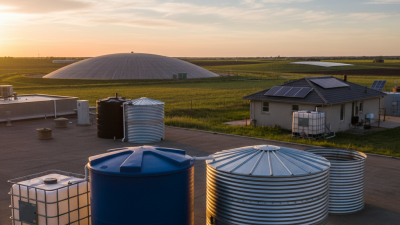
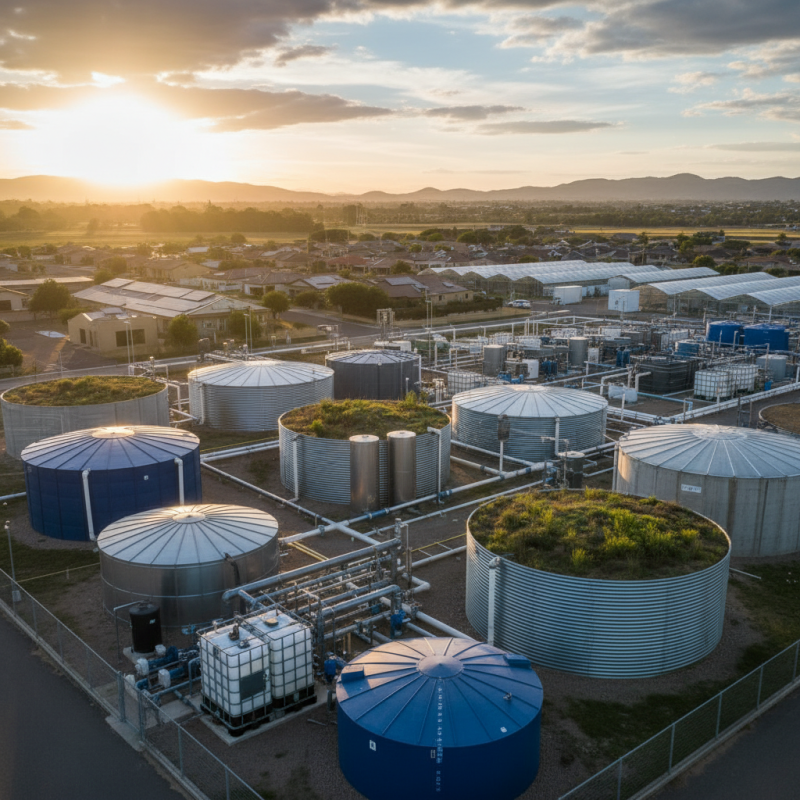
As we move towards 2025, selecting the appropriate water storage tank is crucial for both residential and industrial applications. The market offers various types of tanks, each designed to meet specific needs and environmental conditions. Common options include above-ground tanks, below-ground tanks, and portable tanks, each varying in materials, capacities, and installation requirements. According to a recent report by the Water Quality Association, demand for above-ground tanks is projected to increase by 25% by 2025, driven by their accessibility and ease of installation.
When considering the right type of tank, it is essential to assess factors such as material durability and maintenance requirements. For instance, polyethylene tanks are favored for their lightweight and corrosion-resistant properties, making them ideal for various climates. In contrast, steel tanks offer superior strength and longevity, suitable for long-term installations in rugged environments. The choice of tank not only impacts water quality but also influences overall efficiency; a study by the American Water Works Association indicates that improper tank selection can result in a 20% increase in maintenance costs over five years. Understanding the various options available will enable consumers to make informed decisions that align with their water management strategies in 2025.
Key Factors in Selecting Water Storage Tanks: Size, Material, and Use
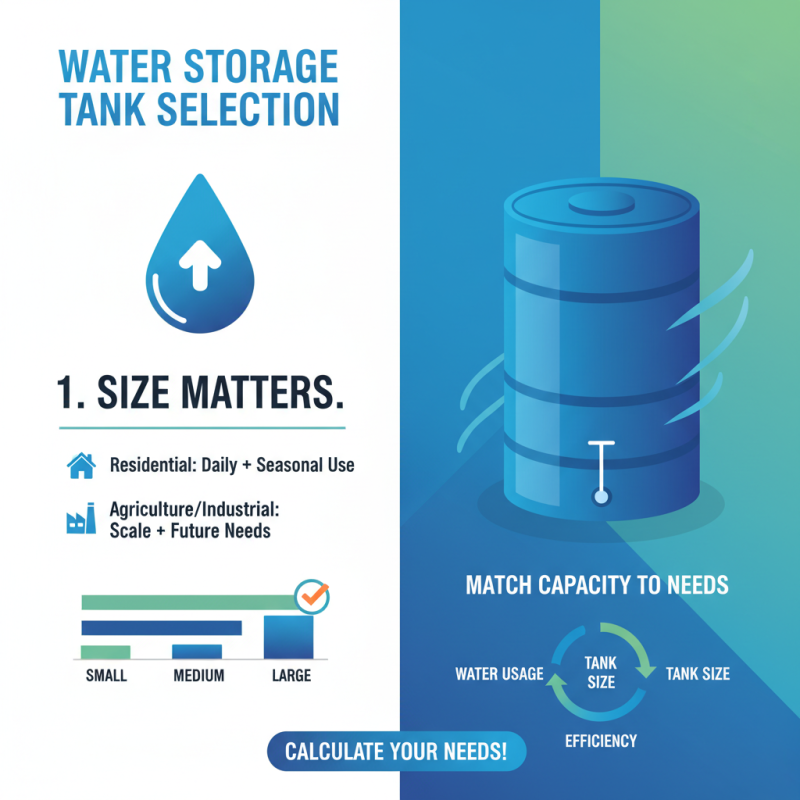
When selecting water storage tanks, the first crucial factor to consider is size. The tank’s capacity should align with your specific water needs, taking into account both daily usage and seasonal variations. For residential use, calculate your household's water consumption to determine the appropriate tank size, ensuring it can comfortably accommodate your requirements without constant refilling. For agricultural or industrial use, consider the scale of water usage and potential future needs, as an undersized tank may lead to operational inefficiencies.
Material is another key element in your decision-making process. Water storage tanks can be constructed from various materials such as plastic, concrete, and steel. Each material has its own advantages; for instance, plastic tanks are lightweight and resistant to corrosion but may not be as durable as steel or concrete options. Conversely, steel tanks offer strength and longevity but require protective coatings to prevent rust. Assessing the tank's environmental conditions—like exposure to sunlight and temperature fluctuations—will help determine which material best suits your location and intended use.
Lastly, the intended use of the water storage tank is fundamental in guiding your selection. Different applications, whether for drinking water, irrigation, or industrial processes, may impose specific requirements, such as the need for food-grade materials or specialized fittings. Understanding local regulations and health guidelines regarding water quality can greatly influence your choice, ensuring that the tank you select meets all necessary standards for your specific application.
Understanding Water Demand: Calculating Storage Needs for Various Applications
Understanding water demand is essential for effective water storage tank selection, especially in a variety of applications such as residential, agricultural, industrial, or emergency use. According to the U.S. Geological Survey, the average American household uses about 300 gallons of water per day. Therefore, accurately calculating your storage needs begins with determining daily water consumption. Factors to consider include the number of occupants in a household, the specific usage patterns such as outdoor irrigation, and seasonal variations in water needs.
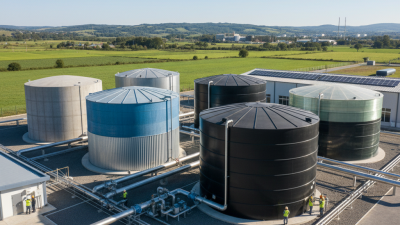
For agricultural applications, the Water Research Foundation estimates that agricultural irrigation alone accounts for nearly 70% of total freshwater withdrawals in the U.S. This underlines the importance of larger storage tanks capable of holding substantial quantities of water, particularly during dry seasons. Similarly, industrial settings often demand substantial water reservoirs to ensure operational efficiency, as industrial processes may require thousands of gallons daily. Understanding these varying needs enables users to select tanks with appropriate capacities, materials, and designs to meet specific requirements without risk of shortages or overcapacity.
Regulatory Considerations: Compliance with Local Water Storage Standards
When selecting water storage tanks, it is crucial to consider local regulations to ensure compliance with established water storage standards. Different regions may have specific requirements regarding the materials used for tanks, their capacity, and installation practices. It is essential to research these regulations thoroughly, as adherence not only promotes safe storage practices but also minimizes the risk of legal repercussions.
Local health departments or environmental agencies often set forth guidelines on water quality and safety, which affect tank specifications. For instance, materials must be non-toxic and not leach harmful substances into the stored water. Additionally, regulations may stipulate regular inspections and maintenance schedules to guarantee that tanks remain in good condition. By understanding and complying with these standards, individuals and organizations can make informed decisions that ensure the safety and reliability of their water supply.
2025 Guide: How to Choose the Right Water Storage Tanks for Your Needs
| Feature |
Description |
Regulatory Considerations |
| Material |
Common materials include polyethylene, fiberglass, and steel. |
Must comply with local health and safety regulations specific to material use. |
| Capacity |
Available in varying sizes, typically from 100 gallons to over 10,000 gallons. |
Check local codes for minimum capacity requirements. |
| Installation |
Can be installed above ground or underground based on design. |
Must follow local zoning laws and building codes for installation. |
| Maintenance |
Regular inspection and cleaning are essential for water quality. |
Compliance with local health department maintenance requirements. |
| Accessibility |
Ensure tanks have adequate access for maintenance and operation. |
Accessibility regulations may vary by jurisdiction. |
Maintenance Tips for Longevity: Ensuring Efficiency and Safety in Water Tanks
Regular maintenance of water storage tanks is crucial for their longevity and safe operation. Firstly, routine inspections should be conducted to check for leaks, corrosion, and sediment buildup. Ensuring that the tank is clean and free from contaminants is vital, as stagnant or dirty water can pose health risks. It’s advisable to schedule a thorough cleaning at least once a year and to monitor the water quality regularly for any changes in taste, smell, or clarity.
Additionally, proper insulation and temperature control can help mitigate issues related to freezing in colder climates, which can lead to structural damage. Installing a reliable overflow system will prevent overflow incidents and potential damage to surrounding areas. Keeping the tank covered and secured also plays a significant role in protecting it from external debris and pests. By adhering to these maintenance practices, owners can ensure that their water tanks operate efficiently and safely over the years.