The Ultimate Guide to Choosing the Right Poly Septic Tank for Your Home in 2025
Choosing the right septic system for your home can be a daunting task, especially as advancements in technology and environmental regulations continue to evolve. In recent years, poly septic tanks have gained popularity due to their durability, lightweight nature, and resistance to corrosion. As we approach 2025, homeowners need to be well-informed about the various factors that can influence their decision when selecting a poly septic tank. Understanding the specific needs of your household, local regulations, and soil conditions are crucial to making an informed choice that aligns with environmental sustainability practices.
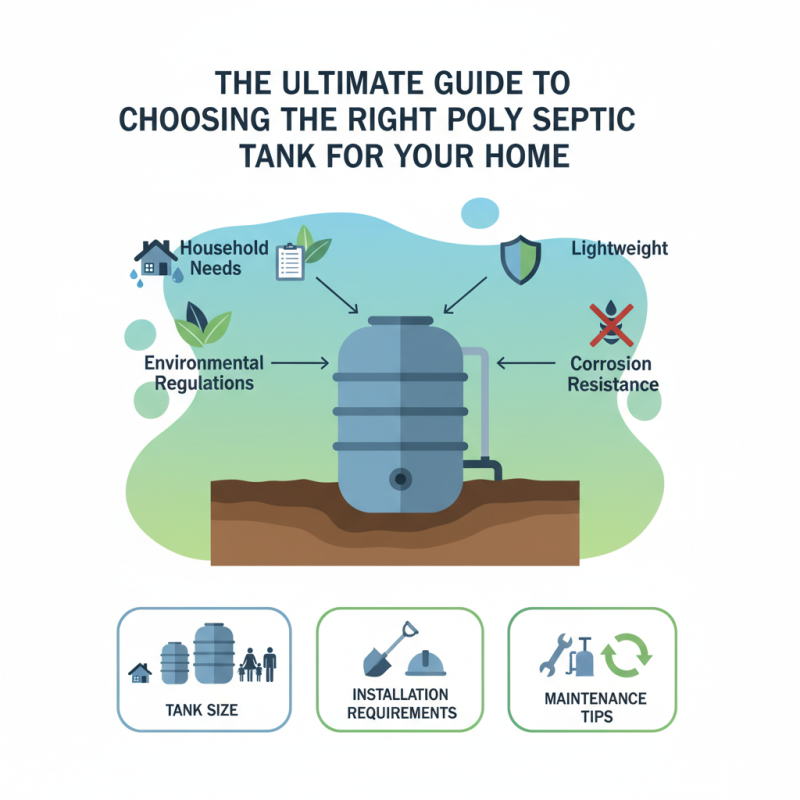
In this guide, we will explore the essential features and benefits of poly septic tanks, along with the considerations to keep in mind when selecting the right one for your home. We will address key aspects such as tank size, installation requirements, and maintenance tips, ensuring you are equipped with the knowledge necessary to choose a system that can effectively manage wastewater while adhering to modern standards. By the end of this guide, you will have a clearer understanding of how to identify the ideal poly septic tank that meets both your needs and those of the environment.
Understanding Poly Septic Tanks: Types and Benefits
When selecting a poly septic tank for your home, understanding the different types and benefits of these systems is crucial. Poly septic tanks are becoming increasingly popular due to their lightweight, durable materials and resistance to corrosion, which can extend the lifespan of the tank significantly compared to traditional concrete options. According to the National Onsite Wastewater Recycling Association (NOWRA), poly tanks can last up to 30 years with proper maintenance, making them a cost-effective choice for homeowners looking to invest in a long-term wastewater solution.
In terms of types, poly septic tanks typically come in various sizes to accommodate different household needs, ranging from smaller tanks suitable for compact homes to larger units designed for multi-family residences. Many modern poly tanks also feature innovative designs that optimize flow and filtration, enhancing their efficiency. A study by the Environmental Protection Agency (EPA) indicates that well-designed septic systems can reduce the likelihood of system failure, providing reliable and safe wastewater management.
Moreover, poly tanks often show better performance in terms of effluent quality, contributing to improved environmental health in surrounding ecosystems. This combination of durability, adaptability, and efficiency underpins the growing preference for poly septic tanks in residential applications.
Key Factors to Consider When Choosing a Poly Septic Tank
When selecting a poly septic tank for your home in 2025, several key factors must be assessed to ensure you make an informed decision. First, consider the size of your household and the volume of wastewater produced daily. According to industry reports, a typical household produces approximately 70-100 gallons of wastewater per day per person. Therefore, for a family of four, a septic tank with a capacity of at least 1,000 gallons is recommended to accommodate daily needs and avoid overflow issues.
Another crucial factor is the tank’s material and durability. Poly septic tanks are known for their lightweight, corrosion-resistant properties, which can prolong their lifespan. Research indicates that poly tanks can last up to 30 years with proper installation and maintenance, significantly reducing the need for replacements. However, it’s essential to assess the soil type and site conditions, as these factors will influence installation depth and tank selection.
**Tip:** Always consult local regulations and guidelines regarding septic system installation, as codes can vary significantly by location. Additionally, ensure that your chosen septic tank meets environmental standards to avoid future compliance issues.
Lastly, consider the installation process. A professional installation can mitigate risks of leaks and ensure optimal performance. In fact, studies show that properly installed tanks can reduce maintenance costs by up to 50% over a decade. Choosing the right poly septic tank involves careful consideration of size, material longevity, and installation to maximize performance and longevity for your home.
**Tip:** It's advisable to schedule regular maintenance checks, as proactive measures can extend the life of your septic system and prevent costly repairs down the line.
Sizing Your Poly Septic Tank: Guidelines and Recommendations
When selecting a poly septic tank for your home, sizing is one of the most critical factors to consider. The size of a septic tank is typically determined by the number of bedrooms in your home, with the general guideline suggesting that a household should have at least 1,000 gallons of capacity for up to three bedrooms. For each additional bedroom, an extra 250 gallons is often recommended. According to the Environmental Protection Agency (EPA), the average household generates approximately 250-300 gallons of wastewater daily, which reinforces the importance of proper sizing to ensure efficient waste treatment and prevent system failures.
Additionally, local regulations and soil characteristics can influence the ideal tank size. A study conducted by the National Association of State Board of Health found that in regions with poor drainage, larger tanks may be necessary to accommodate extended retention times for effluent. Soil percolation tests can provide valuable insights into how quickly the water will disperse into the surroundings, further impacting the decision on tank capacity. Therefore, consulting with a qualified septic system professional is crucial to obtain a customized sizing recommendation that adheres to local codes and effectively meets your household's needs while safeguarding the environment.
Installation Considerations for Poly Septic Tanks in 2025
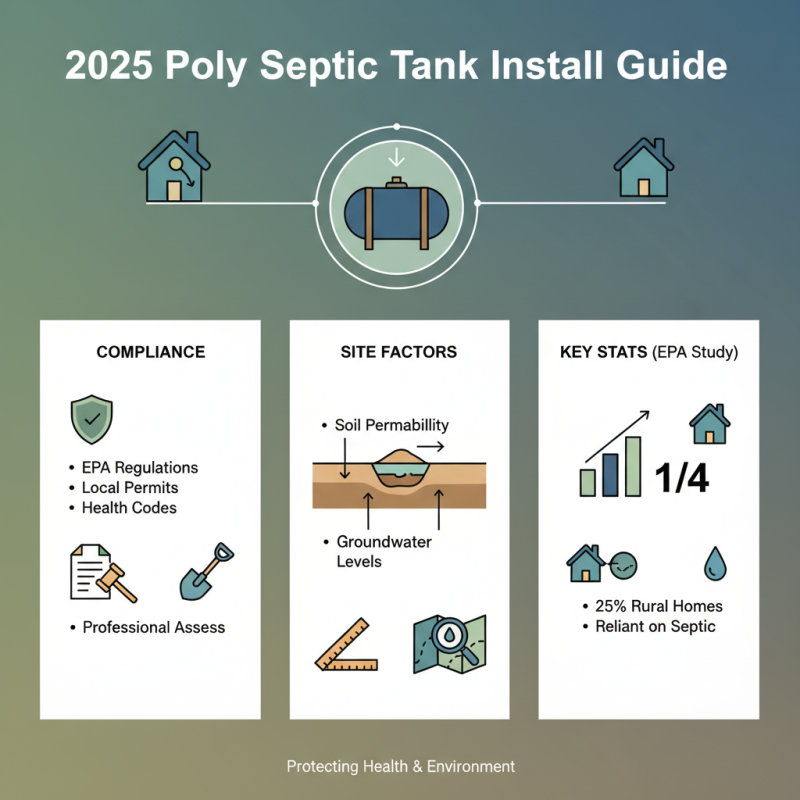
When considering the installation of poly septic tanks in 2025, several critical factors must be taken into account to ensure compliance and functionality. According to a recent study by the Environmental Protection Agency (EPA), approximately 25% of homes in rural areas rely on septic systems, making their proper installation essential for environmental health and sanitation. A crucial aspect of installation is the local soil conditions, which significantly influence tank performance. Soil permeability and the presence of groundwater can affect the tank's absorption capabilities, requiring careful site assessment by professionals.
Additionally, the depth of the tank placement plays a vital role in both performance and longevity. The National Onsite Wastewater Recycling Association (NOWRA) emphasizes that adequate distancing from water sources and adherence to local regulations are non-negotiable steps in the installation process. In 2025, advances in installation technology, including the use of 3D modeling and mapping, are expected to enhance the precision of septic system designs, leading to improved efficiency and reduced maintenance.
Furthermore, installers should be aware of emerging environmental regulations aimed at protecting water sources. A report by the Water Quality Association indicates that 40% of states are updating their septic system guidelines to minimize environmental impact. This shift means that homeowners and contractors alike must prioritize compliance to avoid potential fines and ensure the longevity of their poly septic systems. Proper installation not only enhances the system's effectiveness but also safeguards community health by reducing the risk of contamination and system failures.
Maintenance Tips for Longevity of Your Poly Septic Tank
Proper maintenance of a poly septic tank is crucial for ensuring its longevity and optimal performance. According to the Environmental Protection Agency (EPA), routine inspections and maintenance can significantly reduce the risk of system failures that may lead to costly repairs and environmental hazards. Homeowners are advised to have their septic systems inspected at least every three years, and any necessary pumping should occur every three to five years, depending on usage and tank size. Neglecting these guidelines can result in system overflows, which can contaminate groundwater and pose health risks.
In addition to regular inspections, it’s essential to be mindful of what goes into the septic system. The EPA recommends avoiding flushing non-biodegradable items, such as wipes, oils, and chemicals, as they can disrupt the natural bacterial processes essential for breaking down waste. Implementing water conservation practices, such as fixing leaks and using water-efficient appliances, can also reduce the overall load on a septic system, enhancing its longevity. According to data from the National Environmental Services Center (NESC), over 20% of septic systems fail prematurely due to improper maintenance and usage. By adhering to these maintenance tips, homeowners can extend the life of their poly septic tanks and ensure a safe and efficient waste management system.
The Ultimate Guide to Choosing the Right Poly Septic Tank for Your Home in 2025
This bar chart illustrates the cost comparison of various poly septic tank sizes ranging from 500 to 2500 gallons. Use this guide to help you choose the appropriate tank size for your household needs while understanding the financial investment involved.