10 Essential Tips for Choosing Large Water Storage Tanks?
Choosing large water storage tanks is a crucial decision for many homes and businesses. These tanks are essential for ensuring an adequate water supply during emergencies, peak usage times, or droughts. However, selecting the right one can be challenging. Various factors influence your choice.
When considering large water storage tanks, think about size and capacity. You want a tank that meets your needs without taking up excessive space. Material is also vital; tanks made from durable materials will last longer, saving you money in the long run. Look into maintenance requirements too. Some tanks demand more upkeep than others, which can become burdensome.
Moreover, reflect on your budget. Large water storage tanks can vary greatly in price. It’s important to balance quality and cost. Remember, a cheaper tank may not be the best investment. Safety is another aspect that calls for attention. The tank should comply with health regulations. Inadequate choices carry risks. Ultimately, a well-informed decision can lead to a reliable and efficient water storage solution.
Understanding Your Water Storage Needs
Choosing the right large water storage tank begins with understanding your water storage needs. Different applications require different capacities. For a small community, a 10,000-gallon tank might suffice, while larger facilities may need tanks that hold over 100,000 gallons. According to industry reports, about 70% of water storage tanks are underutilized due to poor planning. This highlights the importance of reflecting on your specific requirements.
Tank size isn’t the only factor. Consider the material and maintenance needs. For outdoor use in varying climates, choosing corrosion-resistant materials can be essential. Quality options can ensure longevity and reduce replacement costs. It’s also key to think about accessibility for maintenance. You don’t want a tank that is hard to reach or inspect.
Tip: Always assess local regulations regarding water storage. Compliance can save time and money. Another tip is to calculate future growth. If your needs may expand, opting for a larger tank could prevent future headaches. Remember to analyze your water quality needs, as some materials interact with certain water types adversely. A little foresight can lead to better decisions.
Types of Large Water Storage Tanks Available
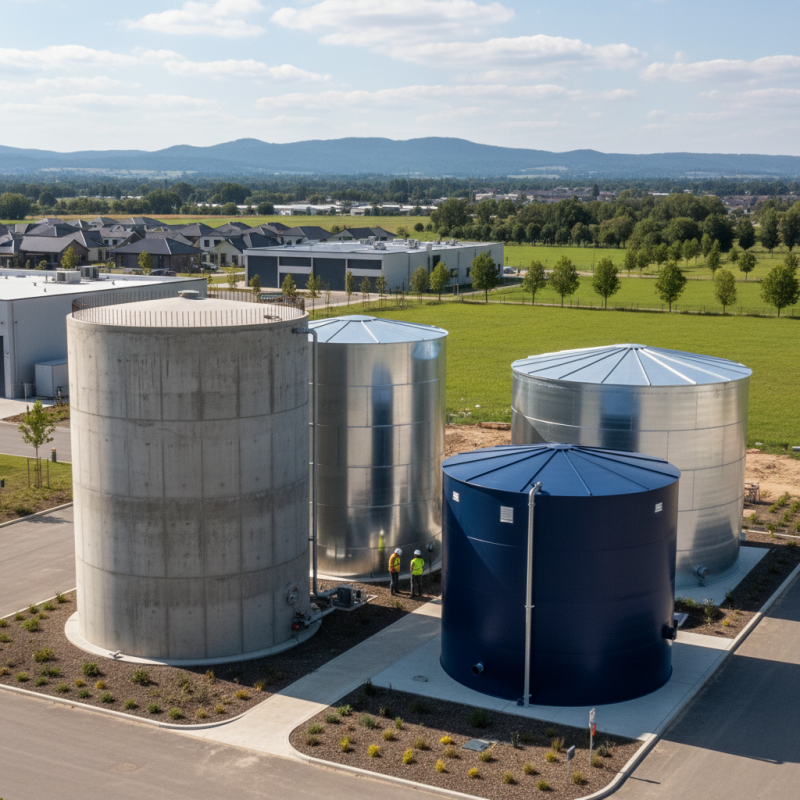
When selecting large water storage tanks, choices abound. The two primary types are above-ground and underground tanks. Above-ground tanks are visible and easier to maintain. They are typically made from materials like polyethylene or fiberglass. These materials can withstand UV rays and temperature fluctuations. However, their exposure can lead to algae growth and contamination. Reports indicate that nearly 25% of water in poorly maintained tanks becomes unsafe.
Underground tanks, on the other hand, offer protection from environmental elements. They maintain a stable temperature, which is crucial for water quality. However, installation can be complicated. Proper sealing is essential to prevent leaks. Data shows that improper installation can lead to 15% water loss over time. This loss emphasizes the need for careful consideration on tank placement and type.
Another important aspect is size and capacity. Depending on usage, these tanks can range from a few hundred gallons to tens of thousands. Roughly 60% of industrial facilities report challenges in deciding the right tank size. Insufficient capacity can lead to shortages during peak use periods, causing operational interruptions. Thus, assessing needs accurately is crucial before making a decision.
10 Essential Tips for Choosing Large Water Storage Tanks
| Tip Number |
Tip Description |
Types of Tanks |
Capacity Range (Liters) |
Material |
| 1 |
Determine your water storage needs |
Polyethylene Tank |
1,000 - 10,000 |
Plastic |
| 2 |
Consider location for tank installation |
Fiberglass Tank |
2,000 - 20,000 |
Fiberglass |
| 3 |
Choose the right material |
Steel Tank |
5,000 - 50,000 |
Steel |
| 4 |
Check for UV resistance |
Concrete Tank |
10,000 - 100,000 |
Concrete |
| 5 |
Evaluate accessibility for maintenance |
Collapsible Tank |
500 - 5,000 |
Fabric |
| 6 |
Confirm the tank size fits your space |
Above Ground Tank |
1,000 - 30,000 |
Metal/Plastic |
| 7 |
Check local regulations and permits |
Underground Tank |
5,000 - 100,000 |
Concrete/Plastic |
| 8 |
Assess the tank's seal and fittings |
Rainwater Harvesting Tank |
1,000 - 10,000 |
Plastic/Fiberglass |
| 9 |
Consider expansion options for future needs |
Custom Built Tank |
Varies |
Varies |
| 10 |
Budget for installation and maintenance costs |
Modular Tank |
3,000 - 15,000 |
Composite |
Factors to Consider for Tank Material Selection
When selecting large water storage tanks, one critical factor is the material they are made from. Common options include polyethylene, fiberglass, and steel. Each material has its own benefits and drawbacks, which can greatly affect performance and longevity. For instance, a report from the American Water Works Association suggests that polyethylene tanks are resistant to UV light and corrosion but may not handle extreme temperatures well, potentially leading to cracking.
Fiberglass tanks, according to industry studies, offer excellent strength and durability. They resist impacts and can handle a range of temperatures. However, manufacturing costs can be higher. On the other hand, steel tanks provide exceptional structural integrity but require regular maintenance to prevent rust and corrosion. A maintenance report from the National Association of Corrosion Engineers notes that unprotected steel can deteriorate significantly in just a few years if exposed to harsh conditions.
Consideration of the tank's environment is also crucial. Temperature fluctuations, chemical exposure, and sunlight can influence material performance. A poorly chosen material can lead to leaks or contamination, which is unacceptable for water storage. It's essential to evaluate the specifics of your situation. Each material choice has implications. Flaws in material selection often result in unforeseen costs and complications.
Water Storage Tank Material Selection: Important Factors
Evaluating Space and Location for Installation
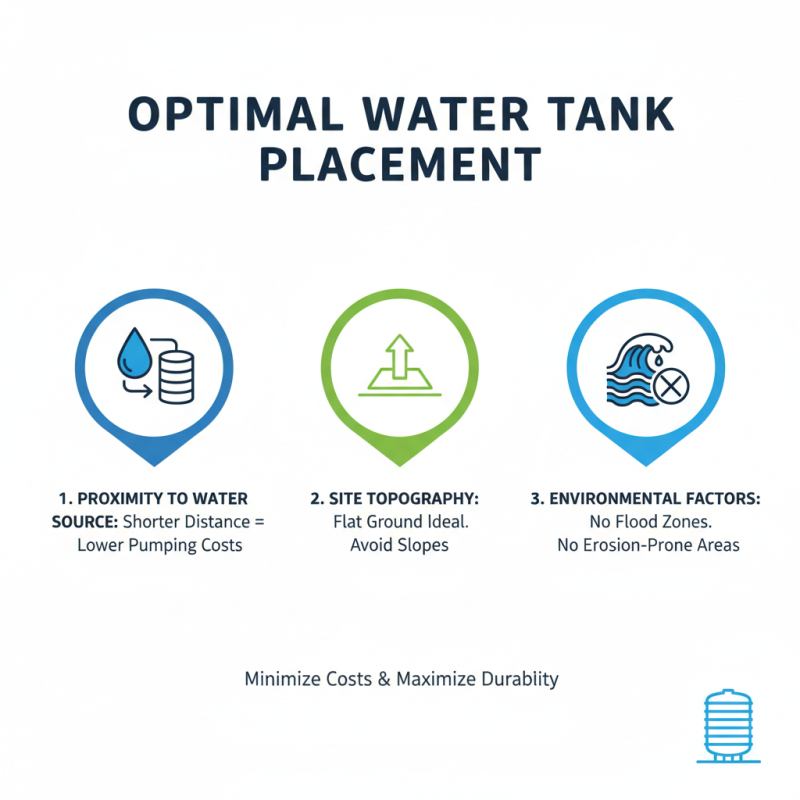
When evaluating space for large water storage tanks, location is crucial. Consider the distance from your water source. A shorter distance minimizes pumping costs. Also, examine the site’s slope and groundwater levels. A flat area is ideal. Avoid locations prone to flooding or erosion.
Accessibility should not be overlooked. Assess how easy it is to reach the site for maintenance and installation. Space requirements may vary, but having room for service vehicles is vital. Look for any obstructions like trees or buildings nearby. These can complicate the installation process.
Also, think about zoning regulations. Local codes might impose limits on tank size or placement. Ignoring these can lead to costly adjustments later. Make an effort to understand these guidelines before making a final decision. Sometimes, clarity comes only after a past mistake. Reflecting on previous experiences can help avoid future oversights.
Maintenance and Longevity of Water Storage Tanks
When managing large water storage tanks, maintenance is crucial for their longevity. Regular inspections are vital. Ensure there are no leaks or cracks. Check the tank's surfaces for signs of wear. Corrosion can be a silent enemy. It often goes unnoticed until it's too late. Make a routine schedule for cleaning the tank as well. Sediments can build up over time, affecting water quality.
Also, monitor the water levels closely. Drastic changes can indicate problems, like leaks or excessive usage. Keep an eye on the surrounding area, too. Debris can contaminate your water supply. In extreme weather, ensure the tank is secure. Flood or freeze can cause severe damage.
Reflect on your maintenance practices regularly. Are they effective? Sometimes, simple checklists can save you from major issues. Don't underestimate the importance of staff training. Proper knowledge can prevent costly errors in the long run. Remember, a well-maintained tank protects your resources and investment.