2026 How to Choose the Right PVC Fittings for Your Projects?
Choosing the right PVC fittings is crucial for your projects. They can directly affect performance and durability. With numerous options available, making the right choice may seem daunting. You need to consider several factors in your decision-making process.
PVC fittings come in various shapes and sizes, each designed for specific applications. Understanding these variations is essential. The material's quality impacts how well the fittings perform under pressure. It’s important to select fittings that can withstand your project's demands.
Many people overlook compatibility with existing plumbing or systems. This oversight can lead to leaks or breaks over time. Don't let your choice of PVC fittings become a costly mistake. A well-informed decision ensures reliability and efficiency. Take the time to research and seek expert advice when necessary.
Understanding Different Types of PVC Fittings and Their Applications
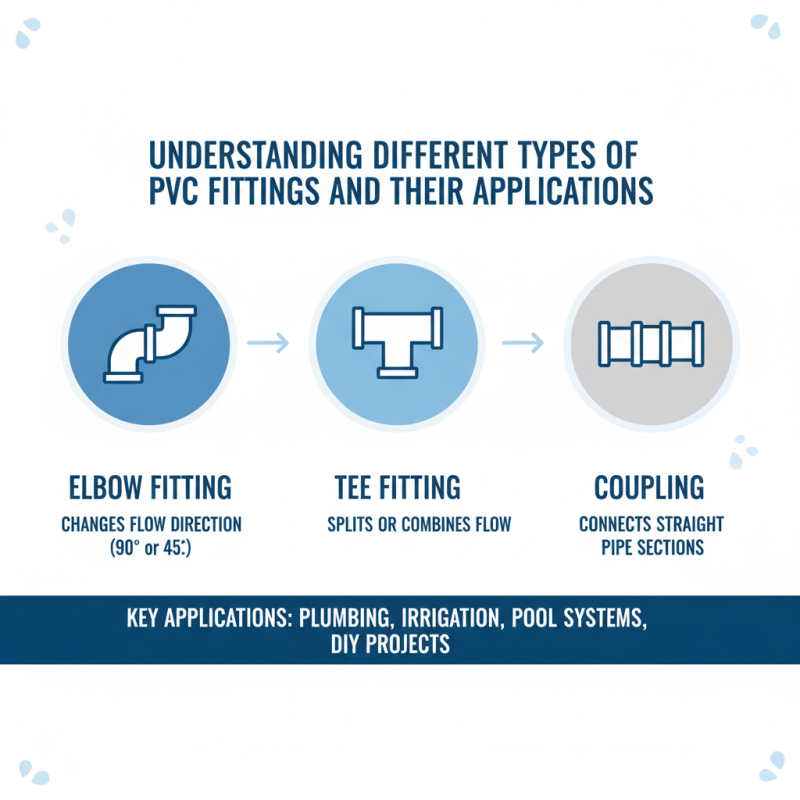
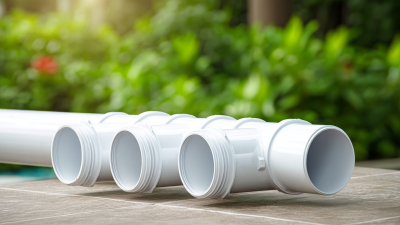
When it comes to PVC fittings, understanding their different types is crucial for success in any project. Various fittings serve different purposes, from connectors to bends. Common types include elbow fittings, tees, and couplings. Each plays a vital role in ensuring that water or other materials flow smoothly in a specific direction.
Elbow fittings are ideal for changing pipe direction. They come in 90-degree or 45-degree angles. Tee fittings allow for branching, making them essential in complex layouts. Couplings connect two segments of piping, providing a reliable joint. Understanding these applications helps in selecting the right fittings for plumbing, irrigation, or even DIY projects.
Choosing the wrong type can lead to leaks or failures. It’s worth noting that not all PVC fittings are created equal. Material quality varies, and sometimes one fitting may seem better but isn't. Inspect each option carefully. Projects often bring unexpected challenges, so be prepared to adjust your choices as needed.
Evaluating the Key Factors in Selecting PVC Fittings for Your Project
When selecting PVC fittings for projects, materials' characteristics are crucial. Understanding the specific requirements of your project is essential. According to industry reports, approximately 75% of plumbing failures are linked to improper material choices. Thus, evaluating the type of PVC is vital. Different grades are available, and pressure ratings can vary significantly. Use reinforced PVC for high-pressure systems, while standard PVC suits lighter applications.
Compatibility with existing systems also matters. Ensure that the fittings match the pipes you currently use. A mismatch can lead to leaks or system failures. Take time to inspect connections critically. In some cases, fittings might look correct but fail under stress. A study shows that projects involving proper fitting selection reduce failures by up to 40%. This illustrates the importance of sound criteria in your decision-making process.
Cost is another factor to consider. While cheaper options may seem enticing, they can lead to long-term costs through repairs. Ensure you evaluate the longevity and durability of the fittings. Experts suggest conducting life-cycle assessments can guide your decision. Balancing upfront costs with durability can save you money over time. Even minor decisions can significantly impact overall project success.
Analyzing Industry Standards for PVC Fittings and Connection Reliability
When selecting PVC fittings for your projects, understanding industry standards is crucial. Reliable connection and quality materials ensure long-lasting performance. Look for fittings that meet ASTM and ISO standards. These certifications indicate a level of reliability that can reduce future repairs.
Tip: Always check for proper certifications on the fittings. Non-compliant materials can lead to failures, resulting in costly repairs.
Connection reliability is key in any plumbing project. A weak or improper connection can lead to leaks, which can cause significant damage. Consider how the fittings will be used. Pressure ratings and temperature specifications play a crucial role in choosing the right component.
Tip: Test fittings in safe conditions before full installation. This step helps uncover any potential issues early, ensuring a smoother project timeline.
Remember, PVC fittings come with their challenges. Not every fitting will be ideal for every project. Reflect on past experiences to improve future selections. Sometimes, it pays to consult with professionals for advice tailored to your specific needs.
2026 How to Choose the Right PVC Fittings for Your Projects? - Analyzing Industry Standards for PVC Fittings and Connection Reliability
| Fitting Type |
Size (inches) |
Pressure Rating (psi) |
Material Standard |
Usage Applications |
| Straight Coupling |
1.5 |
150 |
ASTM D1784 |
Water Supply, Drainage |
| Elbow 90° |
2 |
100 |
ASTM D2466 |
Ventilation, Irrigation |
| Tee Connection |
3 |
120 |
ASTM D1785 |
Drainage Systems, Piping |
| Pipe Cap |
4 |
80 |
ASTM D2672 |
Sealing Open Ends |
| Union |
1 |
200 |
ASTM D2657 |
Water Supply |
Comparing Cost-Effectiveness of Various PVC Fittings and Brands
When choosing PVC fittings, cost-effectiveness is essential. Different brands and types offer various prices and quality. According to industry reports, the average cost of standard PVC fittings ranges from $0.50 to $2.00 per unit. Higher-end options may exceed $5.00, reflecting superior durability. It's crucial to weigh price against expected performance.
It's also important to consider longevity. Some PVC fittings last significantly longer, reducing the need for replacements. Research indicates that quality fittings can last over 50 years in proper conditions. However, cheaper alternatives may need replacement within a decade, increasing long-term costs. Make sure to evaluate the required specifications for your projects.
Many professionals recommend examining customer reviews and technical specifications. User feedback often highlights performance inconsistencies. A fitting that excels in one environment may fail in another. Balancing material costs with performance reliability can lead to better project outcomes. It's not always easy. Some choices prove regrettable when the performance does not meet expectations.
Exploring the Environmental Impact of PVC Fittings in Construction Projects
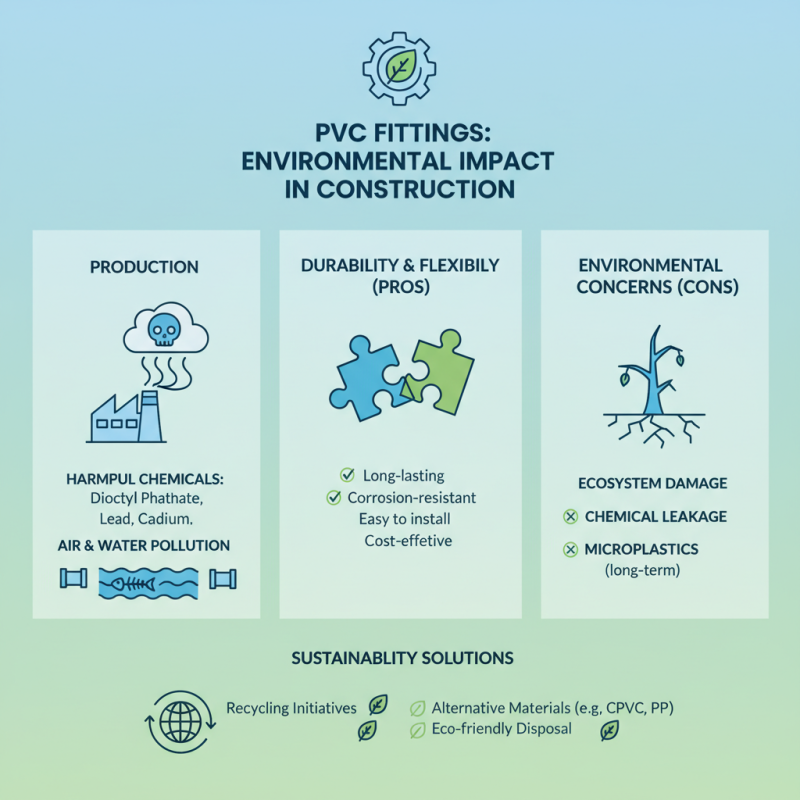
PVC fittings are widely used in construction projects due to their durability and flexibility. However, it is essential to consider their environmental impact. The production of PVC involves harmful chemicals, raising concerns about air and water pollution. These pollutants can affect local ecosystems. Construction projects that prioritize sustainability must address these issues.
Recycling PVC can minimize its environmental footprint. Yet, not all facilities accept PVC for recycling. This limits options for responsible disposal. Additionally, the longevity of PVC fittings can lead to waste issues in landfills. More research is needed to develop better recycling methods and awareness in the industry.
It is crucial to weigh the benefits against the environmental costs. Choosing alternative materials could be beneficial. However, understanding the full lifecycle of PVC products is challenging. Projects can benefit from a thorough evaluation of materials. This approach fosters a more sustainable construction practice. Engaging with experts can help navigate these complex choices effectively.