How to Choose the Right Large Water Tank for Your Needs: A Complete Guide
When it comes to selecting the right large water tank for your specific needs, the decision can significantly impact your efficiency and resource management. As noted by industry expert Dr. Emily Carter, a leading authority on water storage solutions, "Choosing the right large water tank is not just about capacity; it’s about understanding your needs and the environment in which you’ll use it." This comprehensive guide will walk you through various considerations to help you make an informed choice.
From determining the appropriate size and material to evaluating placement options and necessary accessories, selecting a large water tank involves a detailed understanding of both your requirements and local regulations. With the increasing importance of sustainable water management in various sectors, knowing how to assess and prioritize your needs is more critical than ever. In this guide, we will cover essential factors that will ensure your investment in a large water tank meets your expectations and serves its intended purpose effectively.
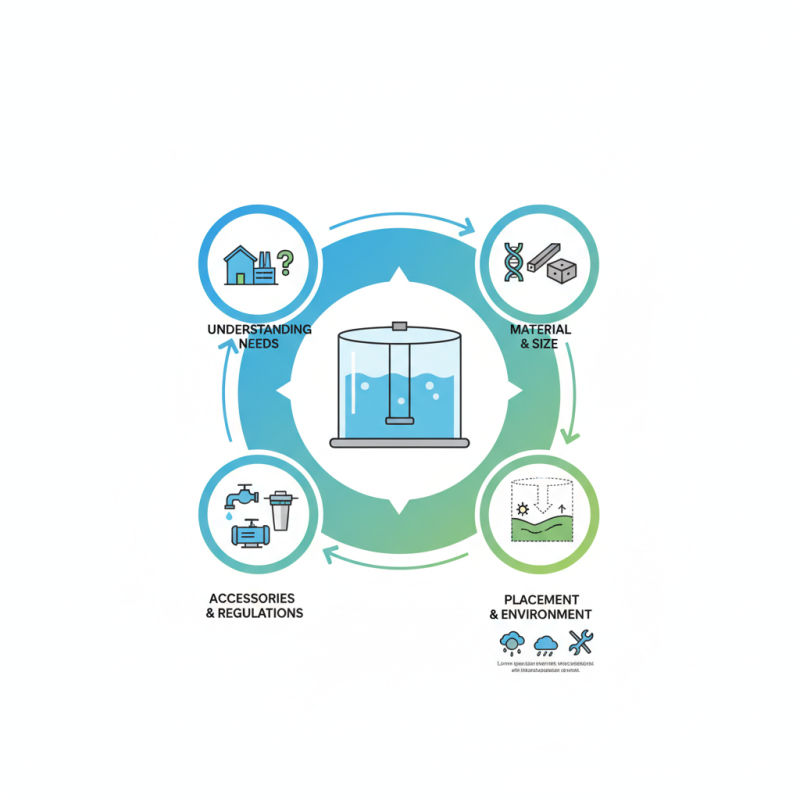
Understanding Your Water Storage Needs
When choosing the right large water tank, understanding your specific water storage needs is critical. Start by assessing the purpose of the water storage—whether it’s for household use, irrigation, livestock, or emergency reserves. This clarity will determine the size and type of tank that is most suitable. For instance, if you live in an area prone to drought, a larger tank may be necessary to ensure adequate supply during dry spells.
Tips: Consider the available space in your property. Measure the area where you intend to place the tank to ensure it fits comfortably without obstructing other features or pathways. Additionally, take into account the proximity to your water source and how easy it will be to fill the tank.
Another crucial aspect is the local climate and water usage patterns. If your water needs fluctuate seasonally, a tank that can accommodate these variations will be beneficial. Evaluate your daily water consumption to determine the capacity you’ll need. Remember that a well-sized tank can improve efficiency and reduce water waste, so it’s essential to plan carefully.
Tips: Don’t forget to factor in maintenance requirements. Choose a tank that is easy to clean and maintain over time, as this will help ensure the quality of the water stored and prolong the tank's lifespan. Regular checks and routine maintenance will save you from costly repairs in the future.
How to Choose the Right Large Water Tank for Your Needs: A Complete Guide
| Tank Type |
Capacity (Liters) |
Material |
Application |
Estimated Price ($) |
| Polyethylene Tank |
1000 |
Plastic |
Residential |
250 |
| Steel Tank |
5000 |
Steel |
Commercial |
1200 |
| Fiberglass Tank |
3000 |
Fiberglass |
Irrigation |
800 |
| Concrete Tank |
10000 |
Concrete |
Industrial |
3000 |
Types of Large Water Tanks Available in the Market
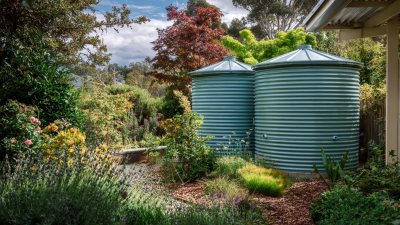
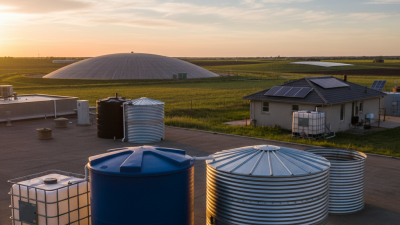
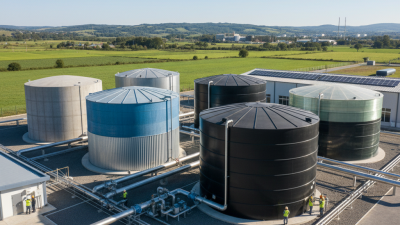
When selecting a large water tank, it's essential to understand the different types available on the market to ensure you make an informed decision that meets your specific needs. The most common types of large water tanks include above-ground tanks, below-ground tanks, and underground cisterns. Above-ground tanks are typically made from materials like polyethylene or fiberglass and are easy to install and maintain. These tanks are perfect for applications where space is not a constraint and offer a range of sizes and capacities.
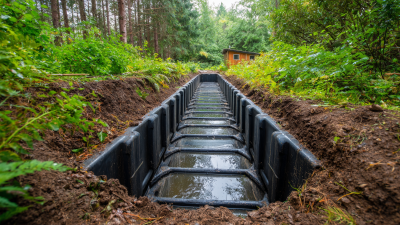
Below-ground tanks, on the other hand, are designed to be installed underground and are usually constructed from reinforced concrete, plastic, or steel. This type of tank is particularly advantageous in areas with limited space or where aesthetics are a concern. They can effectively store large volumes of water while minimizing visual impact on the surroundings. Lastly, underground cisterns serve as another option, often used for harvesting rainwater or storing gray water. These cisterns can significantly contribute to water conservation efforts by capturing and utilizing natural water sources. Each type of tank offers unique benefits, making it important to consider your specific requirements before making a selection.
Water Tank Capacity Options Available in the Market
Key Factors to Consider When Choosing a Water Tank
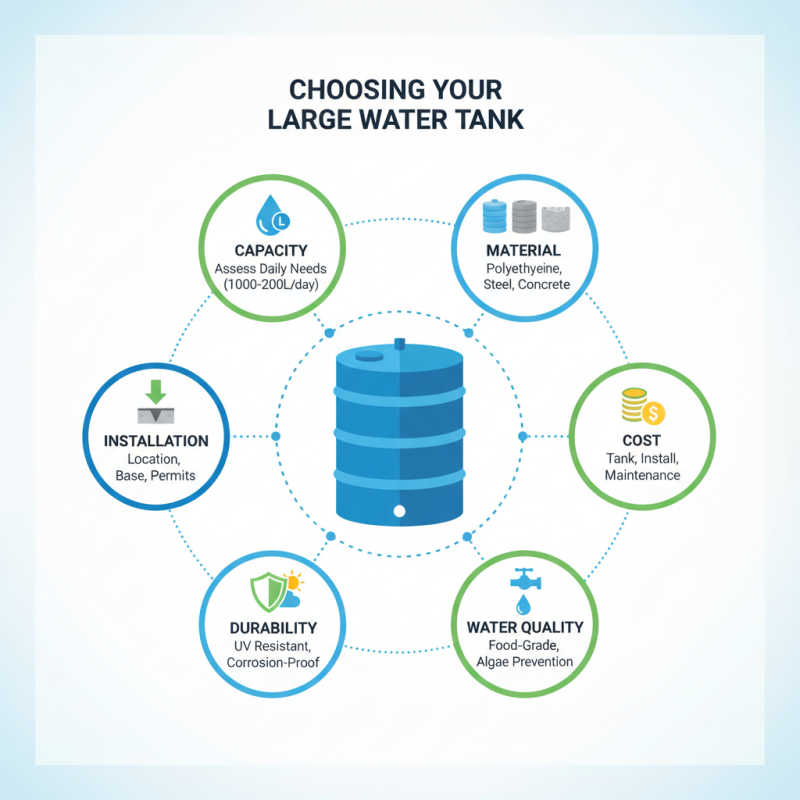
When choosing the right large water tank, several key factors should be considered to ensure that your needs are met efficiently. Firstly, the tank's capacity is crucial; according to industry reports, households typically require a minimum of 1,000 to 2,000 liters of water per day, depending on their size and usage patterns. It's important to assess your daily water consumption, taking into account factors such as the number of occupants and potential water usage during peak times, like gardening or filling pools.
Additionally, the material of the tank plays a significant role in its longevity and safety. Options include polyethylene, fiberglass, and concrete, each with its benefits. For instance, polyethylene tanks offer great corrosion resistance and lightweight properties, making them easier to install. On the other hand, concrete tanks are often more durable and can hold larger volumes.
**Tips:** When selecting a tank, consider the installation site. Ensure that the area can support the tank’s weight when full and is accessible for maintenance. It's also wise to check for local regulations regarding water storage to avoid any compliance issues. Another tip is to calculate potential future needs, as expanding families or increased water-heavy activities might necessitate a larger tank than initially anticipated.
Installation and Maintenance Tips for Large Water Tanks
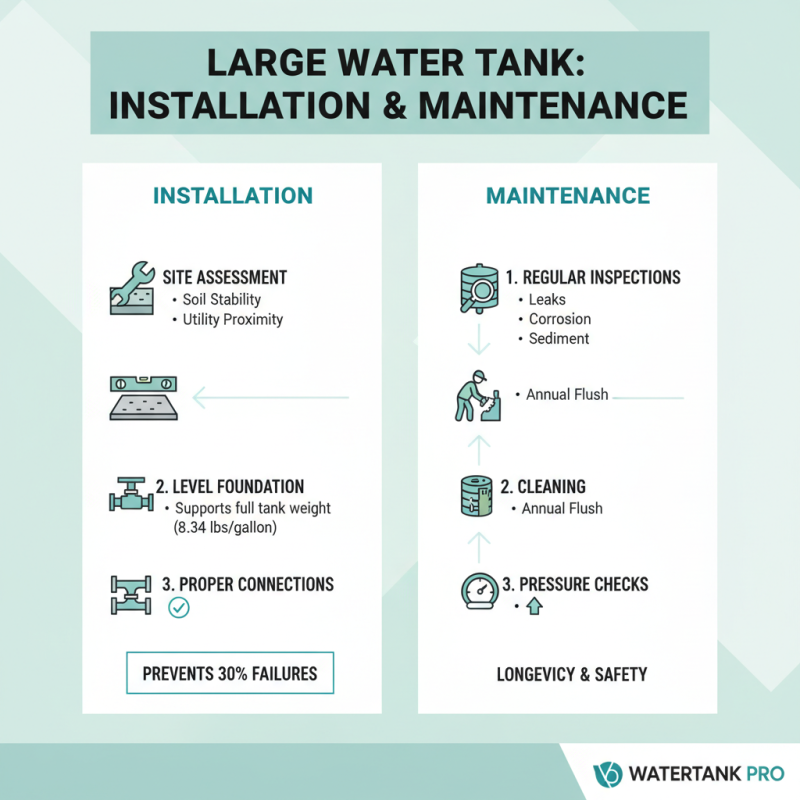
When selecting a large water tank, installation and maintenance are crucial factors to ensure long-term functionality and safety. According to industry reports, proper installation can prevent up to 30% of issues related to water tank failures. Before installation, it's essential to assess the site conditions, including soil stability and proximity to other utilities. Ensure the foundation is level and designed to support the weight of the full tank, as water is about 8.34 pounds per gallon.
**Tips:** Always consult local regulations and guidelines regarding water tank installations, as different regions may have specific requirements. Furthermore, using professional installation services can significantly reduce risk and ensure compliance with safety standards.
Regular maintenance is key to prolonging the life of your large water tank. According to research, tanks should be inspected at least once a year for signs of wear, leaks, or sediment buildup. Draining and cleaning the tank periodically will not only help maintain water quality but also enhance the tank's efficiency. Also, consider implementing a routine check of the valves and fittings to catch any potential issues early, which can save you costly repairs in the future.
**Tips:** Employing a simple maintenance log can help track inspections and maintenance tasks, ensuring your tank is always in optimal condition.
Cost Analysis: Budgeting for Your Water Tank Purchase
When budgeting for a large water tank, it's important to consider not just the initial purchase price but also the long-term costs associated with installation, maintenance, and potential upgrades. A larger tank often seems more expensive upfront, but it may provide savings on water bills and reduce the frequency of refill requirements. Be sure to factor in these recurring costs to get a clearer picture of your overall investment.
Tips: Before making a purchase, research various options, and gather quotes from multiple suppliers. This will help you identify any hidden fees and give you leverage to negotiate prices. Additionally, consider size requirements based on your consumption; purchasing a larger tank than necessary can lead to wasted resources. Assess your budget and prioritize features that meet your needs without overspending.
Another crucial aspect to consider is the potential for government incentives or rebates for environmentally friendly installations. Some local governments offer financial assistance for water conservation projects, which might reduce your overall expenditure. Take the time to research any available programs in your area that could ease the financial burden of your new water tank.