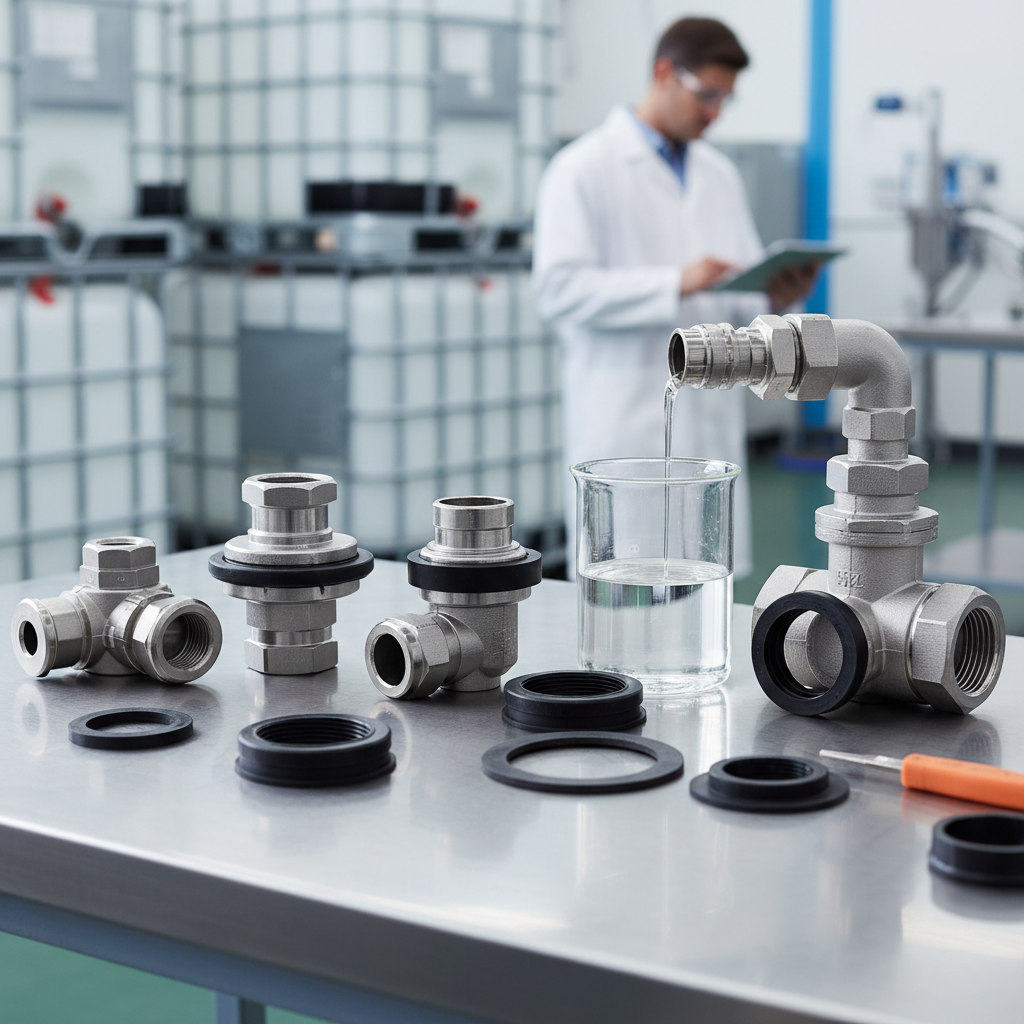
In the ever-evolving landscape of industrial storage solutions, the importance of selecting the right IBC tank fittings cannot be overstated. As industries increasingly embrace sustainable practices and efficiency-driven operations, proper fittings ensure not only the integrity of storage but also compliance with safety regulations. According to a recent market analysis by Global Industry Analysts, the global market for Intermediate Bulk Containers (IBCs) is projected to reach USD 8.1 billion by 2025, with a significant portion attributed to the rising demand for high-quality fittings that facilitate better handling and reduced leakage.
Intriguingly, industry reports indicate that improper fittings are a leading cause of product loss, with estimates suggesting that companies could lose up to 5% of their stored volume due to inadequate sealing and connections. This emphasizes the critical role of selecting the right IBC tank fittings in safeguarding investments and maintaining operational efficiency. From chemical manufacturing to pharmaceuticals and food processing, the correct fittings not only enhance the stability and longevity of storage solutions but also contribute to overall productivity. As we delve into the top IBC tank fittings of 2025, understanding their significance is paramount for businesses aiming to optimize their storage strategies and ensure seamless operations.
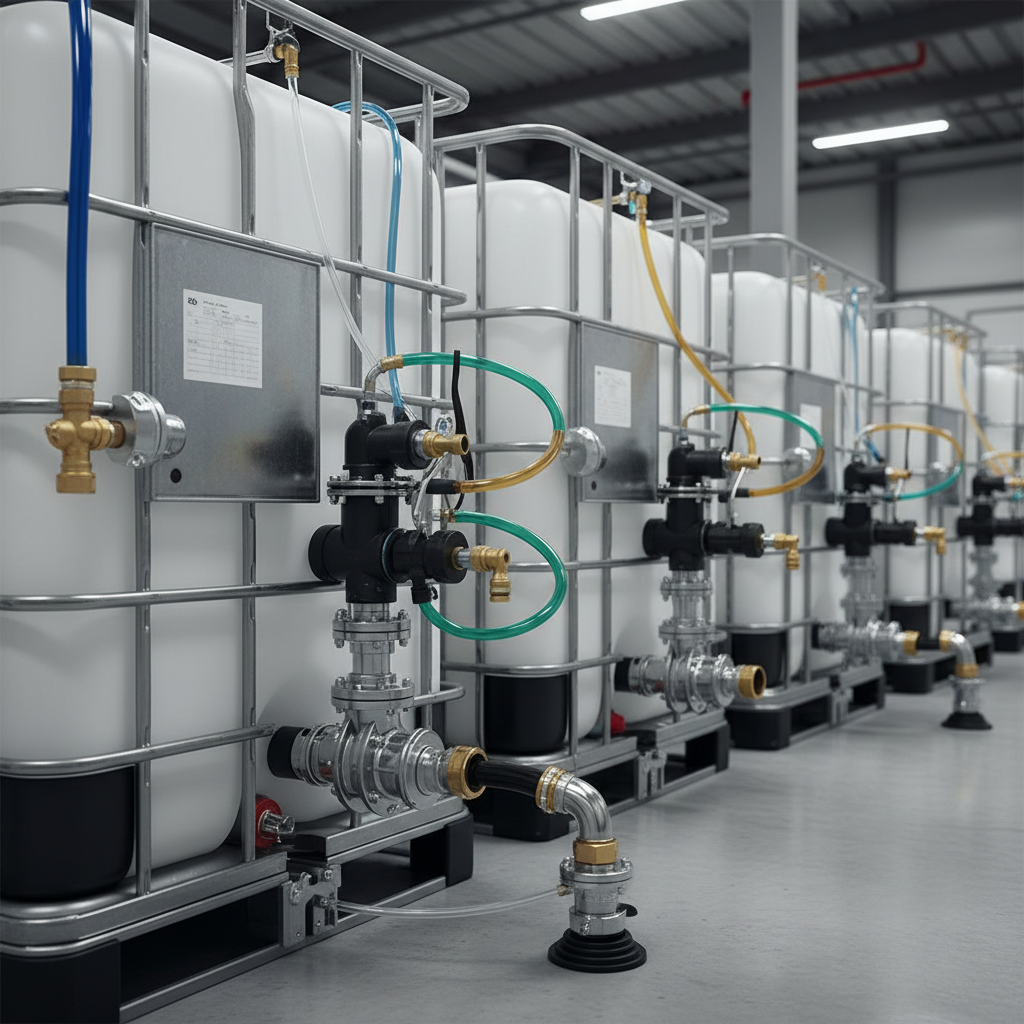
The efficiency of liquid storage systems predominantly hinges on the quality of IBC tank fittings. According to a recent report by the International Bulk Container Association, approximately 65% of liquid storage failures are linked to improper fittings and seals. These components not only dictate the reliability of storage but also directly influence operational expenses and safety protocols. A proper fitting ensures that liquids remain contained, preventing costly spills and contamination, which can lead to significant financial losses and regulatory fines.
Moreover, the right fittings enhance the ease of handling and transportation of the liquids stored. A study published in the Journal of Supply Chain Management emphasized that optimizing fitting design can improve fluid transfer rates by up to 30%, thus increasing overall productivity. This is particularly crucial for industries dealing with hazardous materials where efficiency and safety are of paramount concern. Choosing fittings specifically designed for the type of liquid being stored—whether it's corrosive, viscous, or volatile—will maximize storage efficiency and longevity of IBC containers, further reinforcing the importance of selection in securing robust storage solutions.
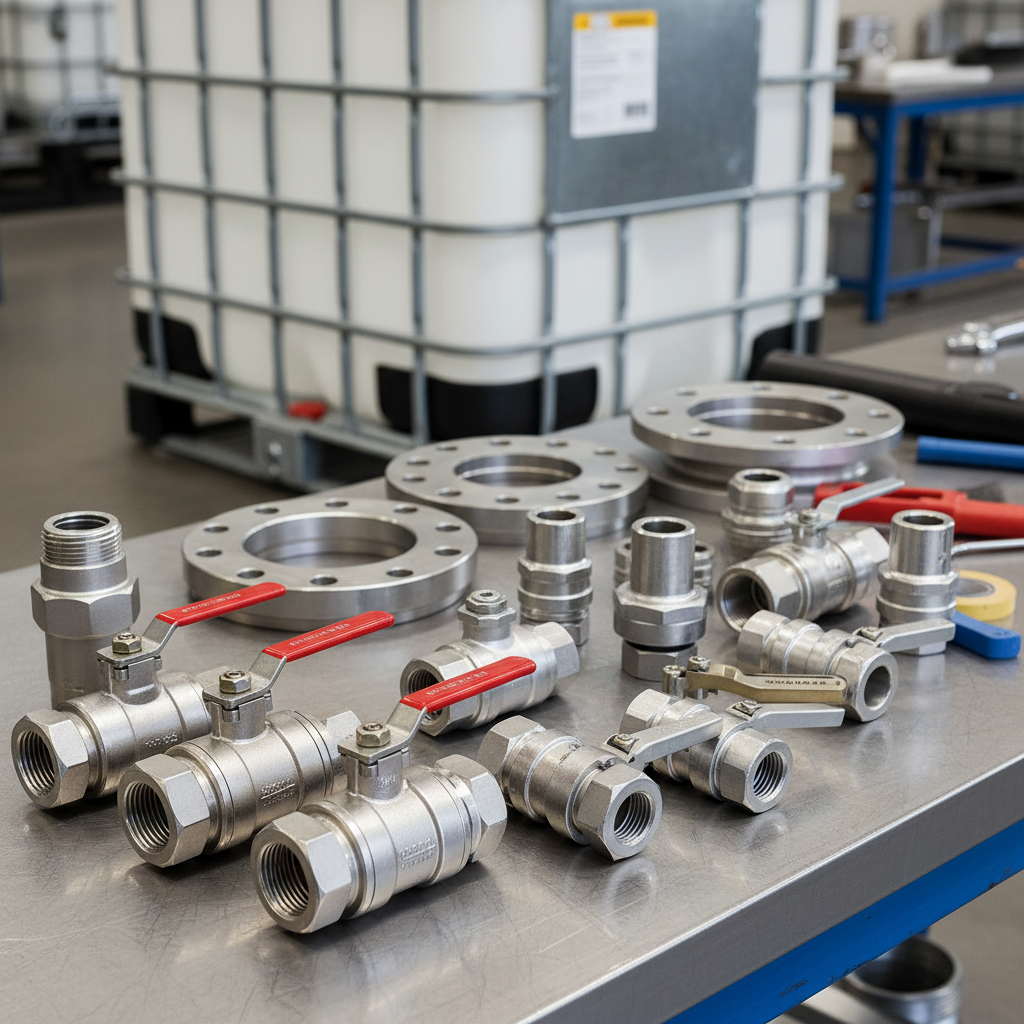
Choosing the right IBC tank fittings is crucial for ensuring the integrity and functionality of your storage solutions. When selecting fittings, consider the compatibility with the liquids you intend to store. Different materials, such as polyethylene or stainless steel, can provide varying degrees of resistance to chemicals. Always check the chemical compatibility chart to ensure the fittings can withstand the substances you will use.
Tip: Before purchasing, always conduct a thorough assessment of your storage requirements and choose fittings that provide adequate sealing to prevent leaks. Additionally, pay attention to the connection types and ensure they align with your existing equipment for a seamless integration.
Another key factor is the fitting's pressure ratings. Depending on your application, fittings may be exposed to high pressures, so it’s critical to select those that meet the required specifications. Inadequate pressure ratings can lead to failures, which may result in costly spills or damage.
Tip: Consult with suppliers for expert guidance on pressure-rated fittings to ensure you are making the best choice for your needs. Regularly inspect fittings for signs of wear and replace them as necessary to maintain the efficiency of your IBC tank system.
| Key Factor | Importance | Material | Compatibility | Application |
|---|---|---|---|---|
| Thread Type | High | Polypropylene | IBC Containers | Chemical Storage |
| Connection Type | Medium | Stainless Steel | Compatible with DIN | Food Industry |
| Seal Type | High | EPDM Rubber | Universal | Water Storage |
| Pressure Rating | Medium | PVC | IBC and Tote Tanks | Oil and Lubricants |
| Size/Dimensions | High | Aluminum | Standard Sizes | Various Liquids |
Selecting the appropriate IBC (Intermediate Bulk Container) tank fittings is crucial for ensuring the safe and efficient storage of various liquids. Common types of IBC tank fittings include ball valves, cam locks, and flanges, each serving unique functions based on the nature of the stored materials. According to a report from Research and Markets, the global IBC tank market is projected to reach $2.85 billion by 2026, underscoring the increasing importance of choosing the right fittings for safety and compliance in industries such as chemicals, pharmaceuticals, and food and beverage.
Ball valves are commonly used for their reliability and ease of operation, allowing for quick shut-off capabilities. In contrast, cam lock fittings provide a secure connection for quick disconnections, making them ideal for transferring liquids without spillage. Flanged fittings are also essential when high pressure and vacuum sealing are needed, especially in chemical processing applications.
A study by Allied Market Research highlights that improper fitting selection can lead to leaks and contamination, potentially costing companies significant fines and damaging their reputation. Therefore, understanding the various fitting types and their applications is essential for optimizing your storage solutions and maintaining industry standards.
When it comes to selecting the right fittings for Intermediate Bulk Containers (IBC), the impact of material quality cannot be overstated. High-quality materials such as polypropylene and stainless steel are often recommended for their chemical resistance and durability. According to a report by the International Plastics Association, fittings made from high-grade polypropylene can withstand temperatures ranging from -40°C to 90°C, making them suitable for a wide range of applications. Furthermore, the corrosion resistance of stainless steel fittings ensures longevity in environments where exposure to harsh chemicals is a concern.
Inadequate attention to fitting material can lead to significant operational issues, including leaks or even catastrophic failures. The American Society for Testing and Materials (ASTM) highlights that improperly chosen IBC fittings can lead to up to 30% increase in maintenance costs over time. Additionally, inferior materials may degrade faster, resulting in more frequent replacements, which not only inflate costs but also disrupt the supply chain. Investing in high-quality IBC tank fittings is therefore essential for ensuring efficient and reliable storage solutions that align with industry safety standards.
Proper maintenance of IBC tank fittings is crucial to ensure optimal functionality and longevity. Regular inspections should be conducted to identify any wear and tear, leaks, or blockages that could compromise the integrity of the storage system. Inspect seals and gaskets for any signs of degradation, as these components play a vital role in preventing leaks and maintaining the quality of the stored liquids. When faults are detected, prompt replacement is necessary to avoid more significant issues down the line.
Additionally, cleaning the fittings regularly is essential for preventing contamination and ensuring the free flow of liquids. Use appropriate cleaning agents that are compatible with the stored substances, and follow the manufacturer’s guidelines to avoid damaging the fittings. If fittings are removable, consider disassembling and thoroughly washing them to eliminate any buildup. Lastly, keep all fittings well-lubricated using food-grade lubricants suitable for your specific application, which helps to minimize friction and maintain ease of operation when engaging or disengaging hoses and valves.
This bar chart illustrates the importance rating of various aspects of IBC tank fittings relevant to storage solutions. The metrics include leakage risk, maintenance frequency, installation ease, durability, and cost efficiency. A high rating signifies a critical aspect in ensuring optimal functionality of IBC tank fittings.