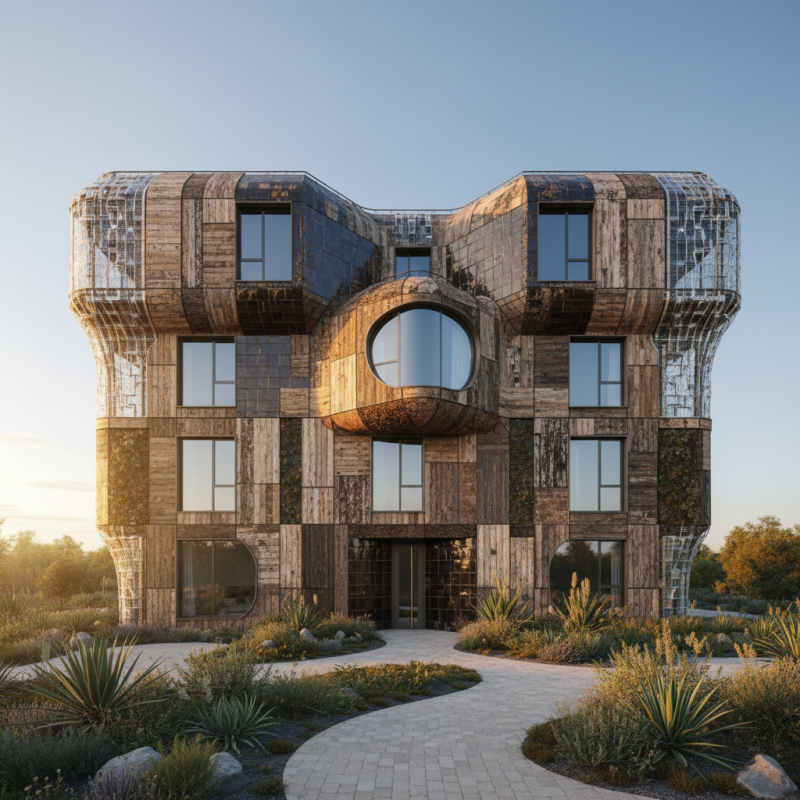
How to Choose Exterior Wall Cladding Panels in 2026?
Choosing the right exterior wall cladding panels in 2026 can be daunting. The market is flooded with options, making it hard to decide. Factors like durability, aesthetics, and cost should guide your choice.
Understanding the latest trends in Exterior Wall Cladding Panels 2026 is crucial. Sustainable materials are gaining popularity. Homeowners seek eco-friendly options that reduce their carbon footprint. The durability of the materials used is equally significant. Some panels may look good initially but fail over time.
Remember, selecting cladding is not just a visual decision; it affects your home's value. Reflect on your long-term goals. Balancing style with functionality can be tricky. Embrace the imperfections; they can lead to innovative solutions. Your choice should reflect personal taste and practical needs.
Understanding the Different Types of Exterior Wall Cladding Materials
Choosing the right exterior wall cladding panels is crucial for any construction project. In 2026, several materials will dominate the market. Common options include wood, vinyl, metal, and fiber cement. Each material has distinct benefits and challenges. Understanding these can guide homeowners and builders in making informed choices.
Wood cladding offers aesthetics and insulation but requires regular maintenance. According to industry reports, the demand for wood is projected to increase by 20% over the next three years. Vinyl is low-maintenance and cost-effective, but it may not perform well in extreme weather. Metal and fiber cement provide durability and fire resistance. Fiber cement, in particular, is gaining popularity, with an expected growth rate of 15% annually.
Tips: Consider your local climate when choosing materials. Examine durability based on weather patterns. Always consult regional building codes to ensure compliance. Reflect on the long-term maintenance costs associated with each material. The benefits must align with your budget and lifestyle.
How to Choose Exterior Wall Cladding Panels in 2026? - Understanding the Different Types of Exterior Wall Cladding Materials
| Type of Material | Durability | Maintenance Requirements | Insulation Properties | Cost Range |
| Vinyl Siding | Good (10-20 years) | Low | Moderate | $2 - $7 per sq. ft. |
| Fiber Cement | Excellent (25-50 years) | Moderate | Good | $6 - $12 per sq. ft. |
| Wood Siding | Fair (5-15 years) | High | Low | $3 - $10 per sq. ft. |
| Metal Cladding | Excellent (40-70 years) | Low | Excellent | $7 - $15 per sq. ft. |
| Stucco | Good (20-30 years) | Moderate | Low | $6 - $9 per sq. ft. |
Evaluating Aesthetic Considerations for Wall Cladding in Residential Design
When selecting exterior wall cladding panels in 2026, aesthetic considerations play a pivotal role in residential design. A beautiful facade can enhance the visual appeal of a home, but personal tastes vary widely. Research indicates that over 70% of homeowners prioritize aesthetics when choosing cladding. This suggests that the selection process goes beyond functionality.
Textures, colors, and patterns contribute significantly to a home’s exterior personality. For instance, natural materials, like stone and wood, are preferred by 40% of buyers due to their warmth and timeless appeal. In contrast, metal cladding offers a sleek, modern look, attractive to contemporary homeowners. However, it is crucial to consider the balance between aesthetics and maintenance. Some materials, while stunning, may require more upkeep.
Homeowners often face dilemmas regarding sustainability versus appearance. Eco-friendly materials can sometimes lack the visual impact of traditional options. A study from 2023 highlighted that 48% of respondents regret choosing aesthetic over sustainable materials. Choices today reflect a deeper understanding of long-term implications, pushing for innovative designs that blend style with sustainability.
Assessing Durability and Weather Resistance in Cladding Panels
When choosing exterior wall cladding panels, assessing durability and weather resistance is crucial. The right materials can withstand harsh conditions. Look for panels made from resilient materials, such as fiber cement or high-density polyethylene. These offer strong resistance to wind, hail, and UV rays. They help protect your structure from moisture damage and mold growth.
Think about the local climate when selecting cladding. Areas with heavy rainfall need water-resistant options. Conversely, locations with extreme sun exposure should prioritize UV resistance. Remember that even the best materials might show wear over time. Regular maintenance is vital to ensure longevity.
Many homeowners overlook the importance of proper installation. Even the toughest panels can fail if not installed correctly. Gaps or misalignments may lead to water intrusion and decreased insulation. Understanding the installation process can enhance durability. Engaging experienced professionals will significantly improve the outcome.
Cost Analysis: Budgeting for Exterior Wall Cladding Projects
When planning for exterior wall cladding in 2026, budgeting is crucial. Start by assessing the scope of your project. Consider factors like the size of the building and the desired materials. Popular options today include wood, metal, and composite panels. Each type has its own cost implications. Wood may seem affordable, but maintenance could add expenses over time. Metal panels are durable but can be pricey upfront.
Next, prepare for additional costs. Labor fees can vary greatly. Hiring experienced contractors can ensure proper installation. However, high-quality work often comes with higher rates. Don't forget about permits and inspections, which can also impact your budget. Unexpected costs are common. It’s wise to set aside a contingency fund.
Finally, think about long-term value. Investing in quality materials may increase property value and reduce future repairs. It’s essential to reflect on not just immediate costs but the overall return on investment. Balancing quality and budget requires careful consideration. Keep your priorities clear to make the best decision.
Sustainability and Eco-Friendly Options in Wall Cladding Selection
Choosing the right exterior wall cladding panels in 2026 means prioritizing sustainability. Eco-friendly materials are not just a trend; they are essential for reducing our environmental impact. Options like recycled metal, natural stone, and sustainably sourced wood can make a difference.
Consider the lifecycle of materials. Look for panels that offer durability while minimizing maintenance needs. Some materials are easier to recycle at the end of their life cycle. Using local resources can also reduce carbon footprints. Make a conscious choice to use products that embrace circular economy principles.
However, sustainability isn't always straightforward. Sometimes, eco-friendly options may come at a higher initial cost. Potential trade-offs should be acknowledged. It's crucial to weigh benefits against budget constraints. Engaging with industry experts can provide insights. Their experience can guide your decisions and ensure you make informed choices.
Eco-Friendly Wall Cladding Material Preferences in 2026