How to Choose the Best UV Flatbed Printer for Your Business?
In the evolving landscape of printing technology, selecting the right UV Flatbed Printer can make or break a business. A recent industry report by Smithers highlights that the UV printing market is expected to reach $25 billion by 2026, showcasing the increasing demand for high-quality, versatile printing solutions. When it comes to UV Flatbed Printers, expert Tom Anderson notes, “Investing in the right printer can enhance product quality and expand market reach.”
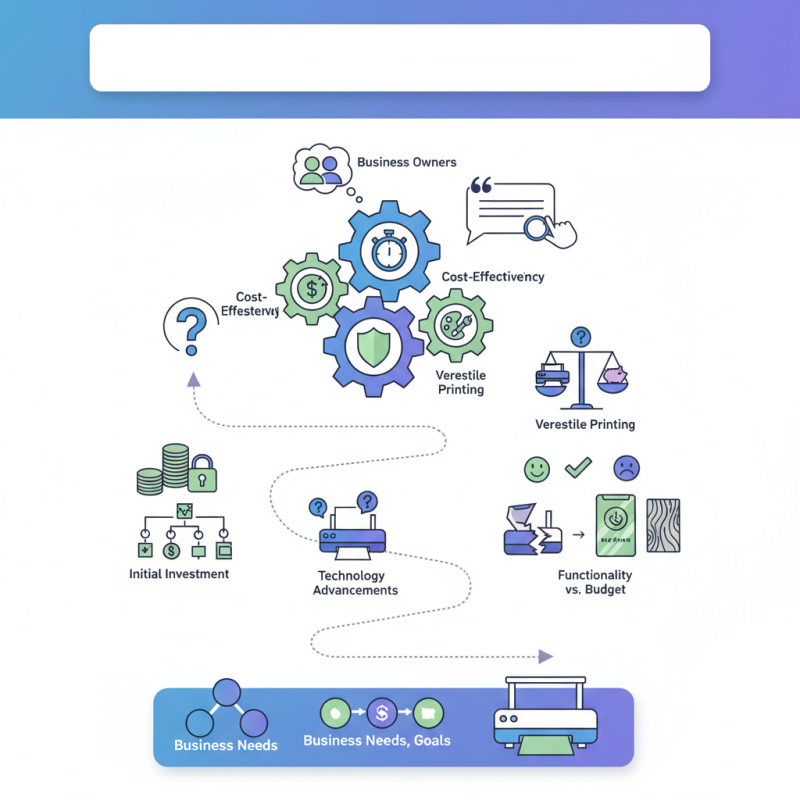
Business owners face challenges in making an informed choice. Factors like durability, print speed, and cost-effectiveness are crucial. For instance, UV Flatbed Printers can print on a variety of surfaces. However, the initial investment may seem daunting. Finding a balance between functionality and budget is essential but often overlooked.
In addition, advancements in technology complicate the selection process. While newer models offer impressive capabilities, they also come with high learning curves. Reflecting on these intricacies can lead to better decision-making. Understanding all aspects of the UV Flatbed Printer will help ensure a choice that aligns with your business needs and goals.
Understanding UV Flatbed Printers: Types and Technologies Available
When considering UV flatbed printers, understanding the types and technologies available is crucial. UV flatbed printers can utilize various ink types, including traditional UV inks and LED UV inks. Traditional inks often cure quickly under UV light, creating durable prints. However, LED UV inks can operate at lower temperatures, making them suitable for a broader range of materials, including heat-sensitive substrates.
Another key element is the choice between different print heads. Some printers offer piezoelectric print heads, which provide high precision. Others may use thermal print heads, but they can be less consistent in quality. Customization options also vary; some machines allow for adjustable height to accommodate thick materials, while others are more limited.
While there are numerous options out there, making the right choice can be challenging. The complexity of features may overwhelm users. Some buyers focus on price over functionality and later regret their decision. It’s essential to carefully evaluate your specific needs. Consider the materials you’ll print on and the types of projects you’ll undertake. An informed choice can lead to long-term satisfaction with your investment.
Key Factors to Consider When Selecting a UV Flatbed Printer
Choosing the right UV flatbed printer for your business can be daunting. You need to weigh several crucial factors. Start with print quality – clarity and color accuracy are vital. High-resolution printing ensures your products stand out. Look for printers that can handle various materials. Flexibility in printing surfaces widens your market reach.
Consider the printer's speed. A faster printer can meet tight deadlines. It’s essential for a competitive edge. Next, evaluate the machine's durability. A robust printer can withstand heavy use. Additionally, check for ease of maintenance. Regular maintenance can prevent costly downtime.
Cost is another important factor. Balance your budget with the desired features. Don’t rush your decision; a hasty choice may lead to regrets. Research thoroughly and seek advice from experienced users. Reflect on your business needs. This approach ensures you choose wisely.
Analyzing Print Quality: Resolution and Color Accuracy Metrics
When selecting a UV flatbed printer, print quality becomes paramount. Resolution and color accuracy are the two principal metrics to consider. A report from Smithers Pira indicates that printers with higher resolution, typically around 1200 dpi, produce sharper images. This translates into better detail for intricate designs. For businesses aiming for precision, a printer’s resolution is crucial, especially in competitive markets.
Color accuracy is another vital aspect. Printers utilizing advanced color management systems can achieve a Delta E value of less than 2, which signifies near-perfect color matching. This is especially important for industries like sign-making and packaging, where true-to-life colors are essential. Yet, achieving this level of accuracy requires careful calibration and sometimes an iterative testing process. There is often a gap between expected and actual results, highlighting the ongoing need for quality checks.
Several businesses have reported challenges with color consistency over time. Variations in inks and substrates can affect how colors appear. Regular maintenance and understanding the media being used can mitigate some of these issues. It is not simply about choosing a printer; it’s about continuous improvement in workflow and quality control.
Evaluating Cost Efficiency: ROI and Operational Expenses in Printing
When selecting a UV flatbed printer, evaluating cost efficiency is crucial. Understanding the return on investment (ROI) can guide your decision-making process. The initial cost of the printer is just the start. Consider the operational expenses, including ink, maintenance, and energy consumption. These factors can significantly impact long-term profitability.
Operational expenses often reveal hidden costs. For instance, cheaper inks may seem attractive but lead to inferior print quality, resulting in customer dissatisfaction. Moreover, maintenance costs can add up if you choose a model that requires frequent repairs or part replacements. Assessing these expenses helps in projecting overall costs accurately.
Measuring the ROI involves more than just numbers. Reflect on your production volume and how quickly you need to recoup your investment. A printer that seems cost-effective at first may not meet your production demands, leading to lost opportunities. Balancing quality, speed, and cost is essential. It’s vital to scrutinize all facets of your potential purchase to ensure it aligns with your business goals and customer expectations.
Exploring Industry Applications: What Sectors Benefit from UV Printing?
UV printing technology offers diverse applications across multiple sectors. Various industries benefit significantly from its versatility. For example, the signage industry has embraced UV printing for its ability to produce vibrant and durable graphics. Retail businesses utilize UV-printed displays to attract customers, enhancing their overall shopping experience. The aesthetic quality of UV prints can elevate brand visibility.
Additionally, the packaging industry finds immense value in UV printing. This method allows for intricate designs on a variety of surfaces, from paper to plastic. Businesses can achieve high-quality, eye-catching packaging that stands out on shelves. Educational institutions also leverage UV printing for customized materials like banners and promotional items. Each application illustrates how UV printing can meet specific industry needs.
However, not every business has the same requirements. Some may find that traditional printing methods suffice. Each sector must evaluate its unique challenges and opportunities. By considering these factors, companies can make informed decisions about utilizing UV technology effectively. Balancing quality and cost remains crucial in the decision-making process.
How to Choose the Best UV Flatbed Printer for Your Business? - Exploring Industry Applications: What Sectors Benefit from UV Printing?
| Industry Sector | Key Applications | Benefits of UV Printing | Considerations for Printer Selection |
| Signage | Banners, Billboards, and Directional Signs | High durability and vibrant colors | Print speed and resolution requirements |
| Packaging | Custom Boxes, Labels, and Food Packaging | Eco-friendly, quick drying, and high-quality prints | Compatibility with various materials |
| Decorative Printing | Wall Art, Interior Design, and Furniture | Ability to print on irregular surfaces | Printer versatility and finishing options |
| Textiles | T-shirts, Bags, and Home Fabrics | Soft hand feel and vibrant colors | Fabric compatibility and print durability |
| Promotional Products | Pens, USB Drives, and Mugs | Unique customization and branding opportunities | Size and shape flexibility |