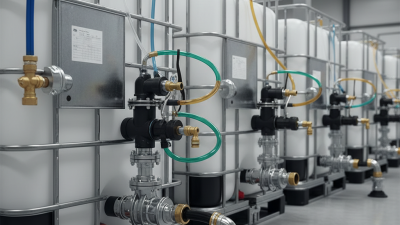
Choosing the right plastic water trough for your farm or garden is essential for ensuring the health and hydration of your livestock and plants. With a variety of options available, it can be a daunting task to find the perfect solution that meets your specific needs. Whether you are looking for a water trough that can accommodate large animals or a smaller option for your garden plants, understanding the different features and materials is crucial in making an informed decision.
Plastic water troughs offer several advantages over traditional materials such as metal or concrete. They are lightweight, durable, and resistant to rust and corrosion, making them an ideal choice for outdoor use. Additionally, their design often includes insulation properties that help maintain water temperature, which can be beneficial in various climates. As you navigate through the decision-making process, consider factors such as size, shape, and the trough’s capacity to ensure that it is suitable for your intended use.
Ultimately, selecting the best plastic water trough not only improves the functionality of your farming or gardening practices but also enhances the overall efficiency of your operations. By taking the time to evaluate your options, you will be better equipped to choose a water trough that meets your needs and fosters a thriving environment for your animals or plants.
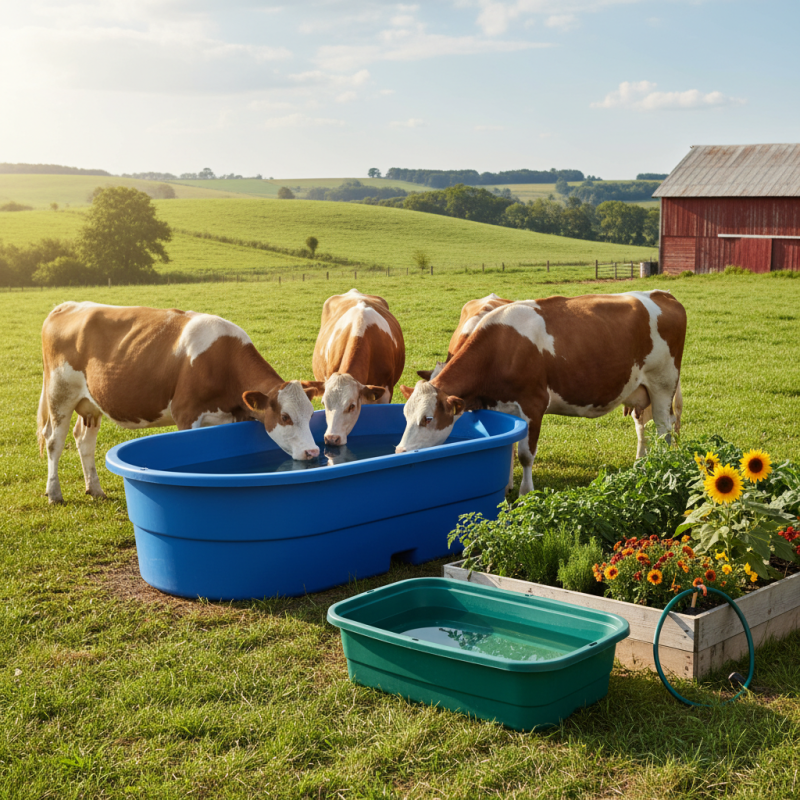
When selecting a plastic water trough for your farm or garden needs, several key factors should be considered to ensure you make the best choice. Firstly, assess the size and capacity of the trough. Depending on the intended use—whether for livestock, irrigation, or plants—choose a size that can adequately meet those specific water requirements. Consider how many animals or plants will utilize the trough and ensure that it can hold enough water to reduce the frequency of refilling.
Another important aspect is the material's durability and temperature resistance. Look for high-quality plastic that can withstand environmental stresses, such as exposure to UV rays, freezing temperatures, or heavy impacts. Additionally, check if the material is resistant to cracking or warping over time.
Finally, consider the trough's design features, such as drainage options and ease of cleaning, which can significantly affect its maintenance and usability. By evaluating these factors carefully, you can select a plastic water trough that will serve your needs effectively and efficiently for years to come.
When selecting the best plastic water trough for your farming or gardening needs, it's essential to understand the various types available on the market. Plastic water troughs are generally categorized into several types based on size, shape, and functionality. Common types include stock tanks, which are ideal for livestock watering, and smaller garden troughs, perfect for irrigation purposes. According to recent agricultural surveys, approximately 70% of farms use plastic troughs due to their durability and low maintenance requirements compared to traditional materials like wood or metal, which are prone to rusting and decay.
Another notable category is the insulated plastic trough, designed to prevent freezing in colder climates, ensuring a consistent water supply for animals year-round. This variant is gaining traction, especially in regions with extreme weather, as the demand for reliable water sources grows. Industry reports indicate that the market for insulated troughs is expected to expand by over 15% annually, reflecting farmers' increasing recognition of the importance of climate-adaptive solutions in optimizing water availability.
Understanding these various types will help you make an informed decision that best suits your needs, ensuring that your farm or garden flourishes with the right water management system.
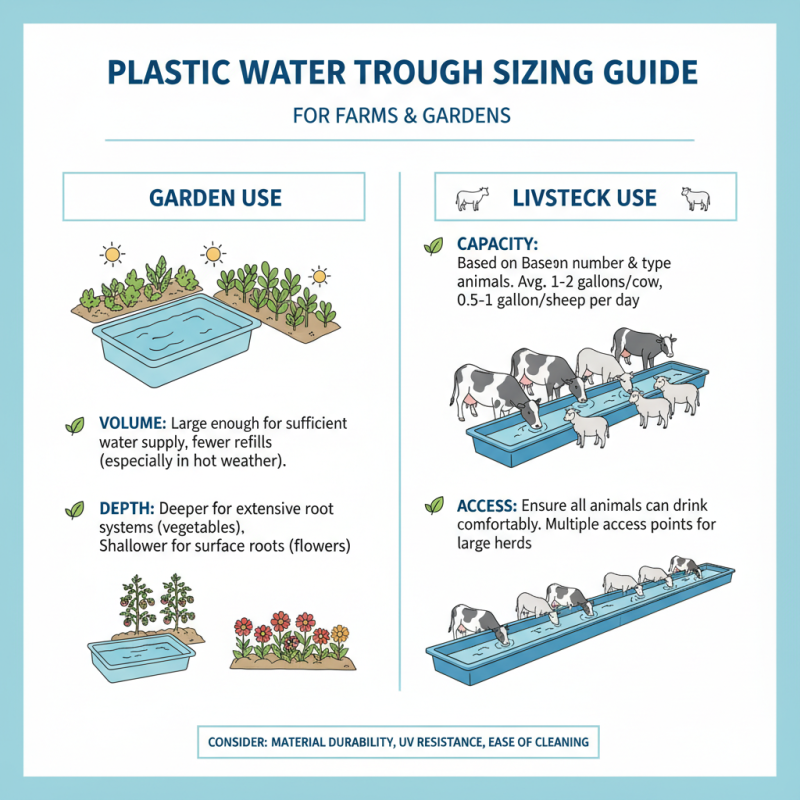
When selecting a plastic water trough for your farm or garden, sizing is a crucial factor that directly impacts its efficiency and usability. First, consider the needs of your plants or livestock. For gardens, the trough should be large enough to supply sufficient water without frequent refills, particularly during hot weather. Assess the types of plants you are growing; for instance, larger vegetable gardens may require a deeper trough to support extensive root systems, while flower beds might thrive with shallower options.
In terms of livestock, understanding the number and size of the animals is essential. For example, larger animals like cattle require more water than smaller ones, so you need a trough that accommodates their drinking habits without causing overcrowding. It's also important to think about the trough's placement. Ensure that it's located in a shaded area to reduce evaporation, and consider how easily it can be filled and maintained. By understanding the specific water needs of your farm or garden, you can choose a plastic water trough that effectively supports your agricultural goals.
When selecting plastic water troughs for your farm or garden, durability and ease of maintenance should be at the forefront of your decision-making process. Unlike traditional materials, high-quality plastic troughs are designed to withstand the elements without succumbing to rust or corrosion. Look for UV-resistant options, which will help prevent damage from prolonged sun exposure. Reinforced designs can also provide additional sturdiness, ensuring that the trough remains intact despite heavy use or accidental impacts.
Maintenance of plastic water troughs is relatively straightforward and can save you time and effort in the long run. Regular cleaning to remove algae or mineral buildup is crucial; using a simple solution of water and mild soap can effectively maintain their condition. Inspect the trough periodically for any signs of wear, such as cracks or leaks, and address these issues promptly to prevent further damage. Additionally, consider placing the trough in a shaded area to minimize algae growth and extend its lifespan. Properly caring for your plastic trough will ensure it remains a reliable resource for your agricultural or gardening efforts.
When it comes to investing in a plastic water trough for your farm or garden, budgeting effectively is key to ensuring that you make a cost-effective choice. Start by narrowing down your specific needs—whether it's for livestock, irrigation, or decorative garden use. Understanding the size, shape, and capacity you require will help you avoid overpaying for unnecessary features. Consider your water requirements and how often you'll need to refill the trough, which can influence the overall cost of maintenance.
Tips: Compare prices from multiple suppliers, as prices can vary significantly. Look for seasonal discounts or bulk purchase options that could save you money in the long run. Additionally, factor in the longevity of the materials and the warranty offered; a slightly higher upfront cost may lead to better savings if the trough lasts longer and requires less maintenance.
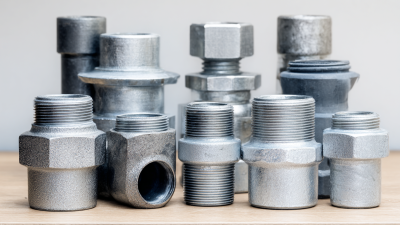
Don't forget to consider the installation costs if applicable. Some larger troughs may require professional installation, which should be included in your budget. If you're handy, installing it yourself can be a great way to save on costs. Always keep an eye out for additional expenses related to fittings and plumbing to ensure your total investment aligns with your budget while meeting your functional needs.