How to Choose the Best Photovoltaic Bracket for Your Solar Needs?
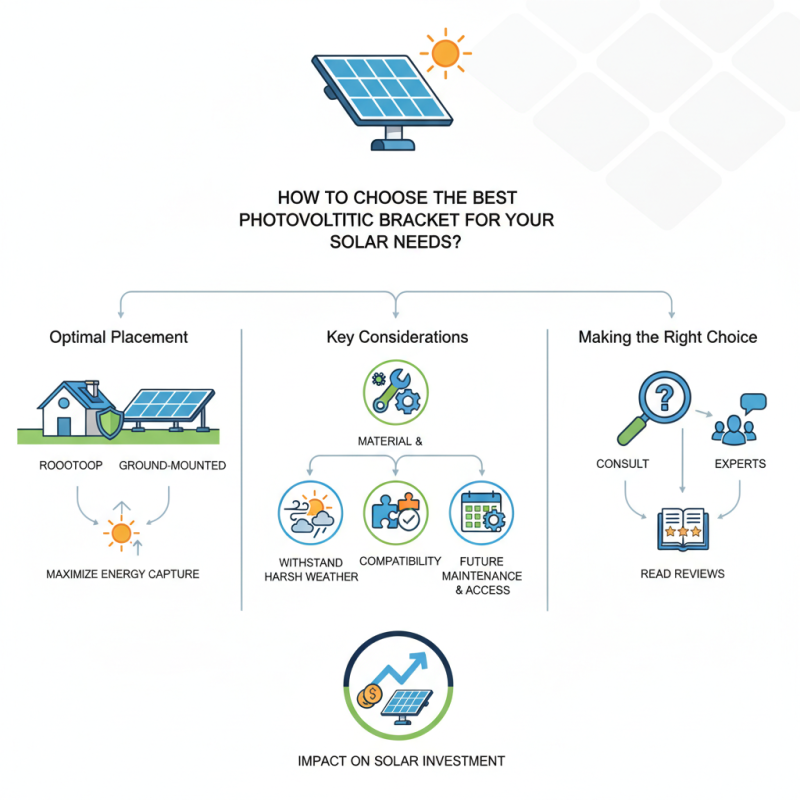
Choosing the right Photovoltaic Bracket is crucial for solar energy systems. A suitable bracket ensures optimal solar panel placement. This can maximize energy capture and efficiency.
Consider various types of Photovoltaic Brackets. Each type serves different environmental conditions and installation needs. Some brackets are designed for rooftops, while others are ground-mounted. Poor selection might lead to inadequate support or premature wear.
Investigate factors like material, durability, and compatibility. A sturdy bracket can withstand harsh weather. Think about future maintenance, too. Is it easy to access? Reflect on your specific needs before making a choice. Consider consulting experts or reading reviews. The decision is significant; it impacts your solar investment directly.
Understanding Photovoltaic Brackets: Types and Their Functions
Photovoltaic brackets play a crucial role in solar panel installation. There are different types available, tailored for various needs. Fixed mounting brackets are common for residential installations. They offer stability but lack adjustability. They are often a cost-effective choice for stable weather conditions.
Adjustable brackets allow for angling the panels, optimizing sunlight capture. However, they can be more complex to install.
Ground-mounted brackets are another option. They anchor the panels directly to the ground. This method suits areas with less roof space. It provides flexibility in positioning. Yet, it may require additional land and permits. Wall-mounted brackets attach the panels to building exteriors. They are space-saving but might limit angle options.
Choosing the right type hinges on your specific situation and preferences.
Each style has its pros and cons. Some brackets may rust over time. Others might not withstand extreme weather. It’s essential to consider local conditions. Researching different materials can also help. Think about potential maintenance needs. You could find yourself needing replacements sooner than expected. It's vital to reflect on the long-term implications of your choice.
Key Factors to Consider When Choosing a Photovoltaic Bracket
When choosing a photovoltaic bracket, several key factors come into play. The material of the bracket is crucial. Options like aluminum and stainless steel are common. Aluminum is lightweight and resistant to corrosion, but is often less durable. Conversely, stainless steel offers strength, yet it can be heavier and more expensive.
The installation process is another important consideration. Some brackets require more complex setups. Others might offer easier installation with fewer tools needed. While this could save time, a simpler design may compromise stability in severe weather conditions. It's vital to evaluate the local climate when deciding on the design.
Lastly, think about the weight capacity of the bracket. It should support the solar panels' weight but also factor in the regional weather conditions. Additionally, check compatibility with different panel types. Some brackets may not fit all solar panels seamlessly. Always double-check specifications. Choosing the right bracket can feel overwhelming, but taking these factors into account will lead to a better decision.
Comparing Materials for Durability and Performance in Brackets
Choosing the right material for photovoltaic brackets is crucial. Many professionals focus on two main options: aluminum and steel. Aluminum is lightweight and resistant to corrosion, making it a popular choice. A study from the National Renewable Energy Laboratory shows that aluminum brackets can reduce installation costs by up to 25%. When properly treated, aluminum can last over 20 years in harsh environments.
Steel brackets, while heavier, offer superior strength. They can support more significant loads and withstand strong winds. However, they require special coatings to prevent rust. A report from the Solar Energy Industries Association indicates that unprotected steel can corrode within five years. Thus, the costs can spike due to maintenance and replacement.
Understanding your specific solar project is vital. Each installation has unique requirements based on climate and load. A poorly chosen material can lead to failures. Ongoing durability assessments are often overlooked, yet they are essential for long-term performance. Evaluating the environmental factors and expected lifespan can lead to better decisions in photovoltaic bracket selection. Balancing weight, strength, and cost is not always straightforward, and mistakes can be costly.
Installation Considerations for Optimal Solar Energy Capture
When selecting a photovoltaic bracket, installation is key to maximizing solar energy capture. A report by the International Renewable Energy Agency (IRENA) states that proper mounting can increase efficiency by up to 20%. Orientation and tilt angles directly influence sunlight exposure. Consider the seasonal changes in sunlight. For optimal performance, brackets should allow for adjustments.
Tip: Ensure the bracket can withstand local weather conditions. Regions with heavy snow or strong winds require robust materials. Using inferior brackets may lead to higher maintenance costs. Furthermore, the ground beneath must be stable. Soil conditions affect the bracket's stability, so don’t overlook this aspect.
Balancing aesthetic and functional needs can be challenging. Many strive for a sleek look. However, minimizing obstructions in sunlight is crucial. Avoiding tall surrounding trees or buildings can significantly improve system output. A study noted that shading could reduce energy capture by over 30%. So, investigate your site carefully. Don’t rush this important decision.
Maintenance Tips for Ensuring Longevity of Photovoltaic Brackets
When it comes to photovoltaic brackets, regular maintenance is key. Dirty brackets can affect performance. Dust, leaves, and debris should be cleared away frequently. A soft brush or gentle cloth works well.
Avoid harsh chemicals that could damage the surface. Inspect brackets for signs of wear or corrosion. Early detection can save you from bigger issues.
Regular tightening of bolts is crucial. Vibration can cause them to loosen over time. If you notice any rust, address it immediately. A fresh coat of weather-proof paint may help prolong life. Check for structural issues, especially after severe weather. Storms can shift brackets, affecting alignment.
Remember, neglecting small details can lead to bigger problems. Create a maintenance schedule to stay on track. It may seem tedious, but it pays off. Longevity often comes from consistent care. It’s worth the effort to ensure your system runs effectively.