Why Choose Concrete Batch Plants for Your Construction Needs?
Concrete Batch Plants are essential in modern construction. According to a report from the National Ready Mixed Concrete Association, the use of these plants has increased by 25% over the last five years. This growth reflects a rising demand for efficiency and quality in concrete production. Expert John Smith, a leading figure in the concrete industry, states, "Concrete Batch Plants are vital for meeting today's construction challenges."
Investing in Concrete Batch Plants ensures better control over material quality and production rates. These plants allow for precise mixing, reducing waste and improving project timelines. However, there is a learning curve when integrating new technology. Some companies may struggle with initial setup and operation. This transition can be a significant hurdle.
Moreover, the cost of owning and operating Concrete Batch Plants can be daunting. Yet, many find that the long-term benefits outweigh these challenges. The right equipment can enhance productivity and reduce costs over time. Embracing this technology requires careful planning and commitment but can ultimately yield substantial rewards for construction firms.
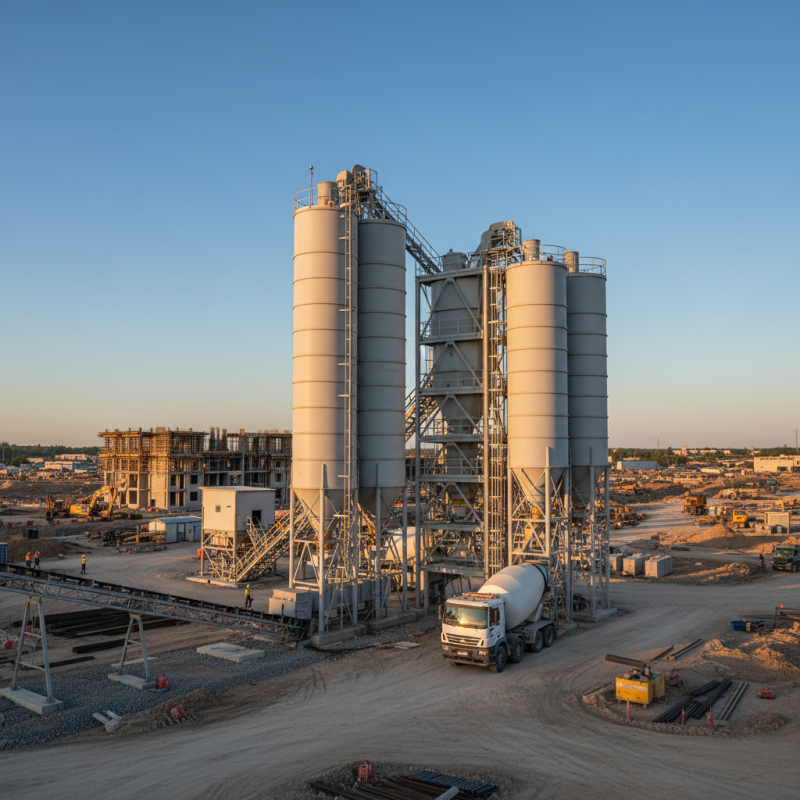
Understanding the Functionality of Concrete Batch Plants
Concrete batch plants play a crucial role in modern construction. They ensure precise mixing of concrete, which is essential for structural integrity. According to a report by the National Ready Mixed Concrete Association, 70% of concrete is produced at batch plants. This statistic highlights their importance in ensuring quality control and consistency.
The functionality of concrete batch plants extends beyond merely mixing materials. They can produce different concrete types, catering to diverse project requirements. Each batch is meticulously measured, reducing waste and improving efficiency. A study noted that optimized batching processes can enhance production rates by up to 20%. However, the initial investment can be substantial, which poses a challenge for smaller contractors.
Understanding the operational intricacies is vital. Operators need to monitor the blending process closely. Any errors in measurement or timing can lead to compromised concrete quality. Regular maintenance of the equipment is also essential. Neglecting this aspect can lead to downtime, affecting project schedules. Therefore, the decision to implement a batch plant requires thorough consideration and planning.
Key Advantages of Using Concrete Batch Plants in Construction
Concrete batch plants offer significant advantages for construction projects. One major benefit is the ability to produce high-quality concrete consistently. This quality control is essential for structures that must endure over time. By precisely measuring and mixing raw materials, these plants ensure that every batch meets the required standards.
Another advantage is efficiency. Concrete batch plants can produce large quantities of concrete quickly. This speed is critical when construction timelines are tight. With these plants, construction sites can receive concrete on-demand, reducing delays. However, managing the logistics and timing can be challenging. Any miscalculation could lead to wasted materials or project setbacks.
Flexibility is another key advantage. Batch plants can adjust production based on project needs. They can handle various concrete mixes, adapting to different specifications. Yet, this flexibility requires careful planning. Building teams must communicate effectively to ensure that the right mix is ready at the right time. This balance between adaptability and coordination is vital for success in any construction endeavor.
Types of Concrete Batch Plants: Choosing the Right One for Your Project
When considering concrete batch plants, understanding the types available is crucial for your project. Two main categories exist: stationary and mobile batch plants. Stationary plants are designed for high-capacity production, ideal for large projects requiring consistent output. According to industry data from the National Ready Mixed Concrete Association, stationary plants can produce over 100 cubic yards per hour, making them suitable for extensive infrastructure projects.
On the other hand, mobile batch plants offer flexibility. They can be transported easily to various job sites. This versatility makes them a great choice for smaller projects or locations with space constraints. Reports indicate that mobile plants can reduce setup time by nearly 50%. However, their capacity typically ranges from 30 to 60 cubic yards per hour. This difference in production rates is vital when planning timelines and resources.
Choosing between these options might seem straightforward, yet project specifics can complicate decisions. Factors like site location, concrete mix requirements, and production volume play critical roles. While stationary plants provide stability, mobile plants offer adaptability. Evaluating your project needs against these parameters ensures a more informed choice, but be cautious of overlooking potential operational challenges like site accessibility and logistics. This reflection could prevent costly delays down the line.
Why Choose Concrete Batch Plants for Your Construction Needs? - Types of Concrete Batch Plants: Choosing the Right One for Your Project
| Type of Concrete Batch Plant | Key Features | Ideal Use Cases | Advantages |
| Stationary Batch Plant | Fixed location, high production capacity | Large construction projects, infrastructure | Efficient for high volume; minimal transportation |
| Mobile Batch Plant | Easy to transport, quick setup | Small to medium construction sites | Flexibility in location; suitable for remote sites |
| Ready-Mix Batch Plant | Pre-mixed concrete delivered to site | Commercial projects, residential builds | Convenience; time-saving for smaller projects |
| Central Batch Plant | Centralized production, multiple delivery points | Large scale, multiple concurrent projects | Economical for large quantities; consistent quality |
Cost-Effectiveness and Efficiency of Concrete Batch Plants
Concrete batch plants are becoming a popular choice for construction projects. Their cost-effectiveness is unmatched when compared to traditional methods. The ability to produce concrete on-demand significantly reduces waste. This makes them an appealing option for projects of all sizes.
Efficiency is another key benefit of using concrete batch plants. They allow for precise measurements, minimizing errors during mixing. This ensures a high-quality product that meets strict standards. However, it is crucial to recognize that not all plants are the same. Different locations and conditions can affect performance.
Investing in a concrete batch plant requires careful planning. Proper training for operators can enhance overall productivity. Yet, maintenance is often overlooked. Regular checks are vital to ensuring long-term effectiveness. Adopting a concrete batch plant can streamline operations, but awareness of its challenges is essential for success.
Environmental Considerations in Concrete Production with Batch Plants
Concrete batch plants play a significant role in addressing environmental concerns associated with concrete production. Traditional methods often result in high CO2 emissions and excessive waste. In contrast, batch plants can be designed to minimize these impacts. Through efficient material management, they reduce the carbon footprint of construction projects.
These facilities utilize modern technology to recycle water and aggregate. This capability not only conserves resources but also lowers the energy required for production. By optimizing mix designs, batch plants can achieve better performance while using fewer materials. However, challenges remain. Not all batch plants are equipped with eco-friendly systems, and their operational practices can vary widely.
Moreover, producing concrete in batches may lead to the generation of dust and noise. This can affect local communities, and plants must adopt strategies to mitigate these effects. Continuous improvement is essential. Monitoring emissions and adhering to regulations can enhance sustainability. Overall, choosing the right batch plant can contribute positively to the environment, but due diligence is crucial in the selection process.