Why Choose Brass Die Casting for Your Manufacturing Needs?
Brass Die Casting has emerged as a favored choice in the manufacturing sector. Industry expert Johnathan Marks, a leading figure in metalworking technologies, states, "Brass Die Casting offers unmatched precision and durability." This process allows manufacturers to produce complex shapes with tight tolerances, which is essential in today’s competitive market.
The advantages of Brass Die Casting include its ability to create intricate designs and smooth surfaces. This method also promotes higher production rates, enabling quicker market responses. However, there are challenges that should not be overlooked. The initial setup costs can be substantial, and consistent quality requires skilled craftsmanship.
Incorporating Brass Die Casting into manufacturing strategies can bring significant benefits. Nonetheless, careful consideration of its limitations is crucial. Balancing cost and quality can be complex, and buyers must weigh their options thoughtfully.
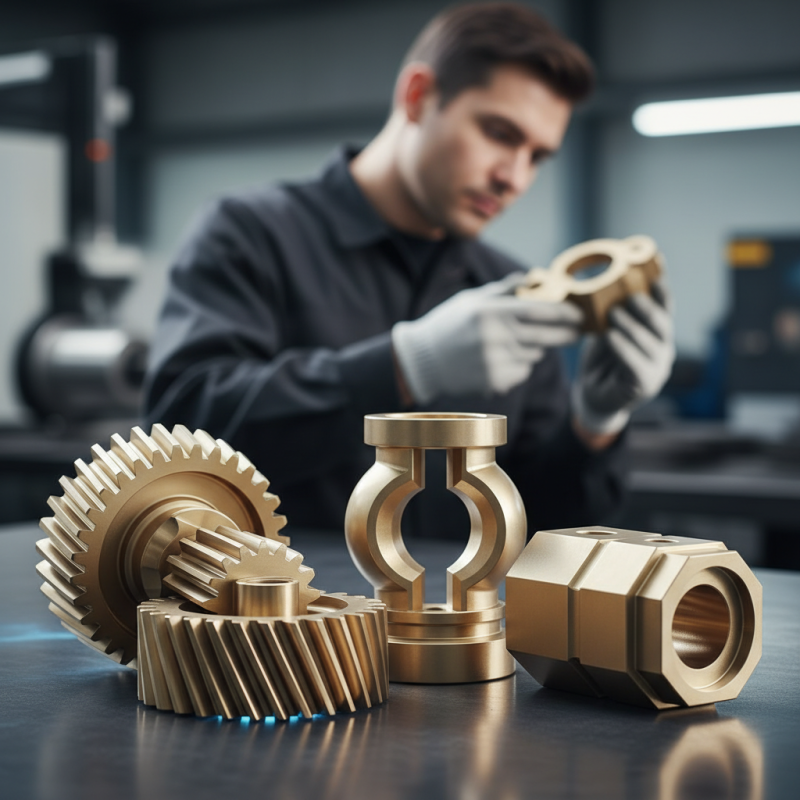
Benefits of Brass Die Casting in Manufacturing Processes
Brass die casting offers numerous advantages in manufacturing processes. One of the primary benefits is its exceptional strength and durability. Brass products resist corrosion and wear, making them suitable for various applications. This durability often leads to lower maintenance costs over time.
Moreover, the precision of brass die casting is noteworthy. Manufacturers can create complex shapes with tight tolerances. This precision reduces the need for secondary machining, saving both time and money. However, achieving perfect precision consistently can be challenging, requiring skilled operators and high-quality molds.
Brass also has excellent thermal and electrical conductivity. This characteristic is vital for components in electrical applications. However, it's crucial to evaluate the entire production process to ensure that these properties are maintained. Attention to detail in every stage of manufacturing is essential for optimal results.
Benefits of Brass Die Casting in Manufacturing Processes
Key Characteristics of Brass That Enhance Die Casting Quality
Brass die casting offers unique advantages in manufacturing. Brass is known for its excellent machinability. This characteristic allows for precise detailing in complex designs. Brass components often have superior surface finishes. Thus, they can meet high aesthetic standards in production.
The properties of brass enhance die casting quality significantly. One major characteristic is its corrosion resistance. Brass does not easily corrode, extending the life of cast parts. This quality is crucial for components used in harsh environments. Additionally, brass has good thermal conductivity, making it ideal for applications like electrical fittings.
Despite its benefits, there are considerations. Brass can be more expensive than other materials like aluminum. This might restrict its use in cost-sensitive projects. Additionally, while brass is durable, it can be less flexible. This could pose challenges in some applications where flexibility is needed. Understanding these nuances can lead to better decision-making in manufacturing.
Comparative Analysis: Brass Die Casting vs. Other Materials
Brass die casting offers unique advantages compared to other materials. It boasts excellent corrosion resistance and durability. These properties make brass a preferred choice for applications in various industries, such as plumbing and electrical components. Unlike aluminum, brass provides better wear resistance, making it ideal for high-friction environments.
When analyzing materials, consider weight. Brass is heavier than some alternatives, which may not suit every product. However, its density contributes to stability in applications requiring reliability. While some manufacturers lean towards cheaper options like plastic, the long-term benefits of brass often outweigh initial costs. It's essential to find a balance between cost and material performance.
Tip: Evaluate the specific requirements of your project. Determine if durability or weight is a priority. Using brass may save you money in the long run due to reduced maintenance needs. Additionally, explore variations in brass alloys, as they can further enhance properties, tailoring them to your manufacturing needs.
Applications of Brass Die Casting in Various Industries
Brass die casting is increasingly popular across various industries due to its unique properties. This process creates high-precision components with excellent mechanical strength and corrosion resistance. According to a recent report by MarketsandMarkets, the global die casting market is projected to reach USD 90 billion by 2025, indicating strong demand for materials like brass.
In the automotive sector, brass die casting is used for various parts, including connectors and fittings. Brass components are crucial for electrical applications because of their conductivity. The Aerospace industry also benefits from brass die casting for components that require light weight and durability. This versatility allows manufacturers to optimize designs and reduce overall production costs.
However, not every application is perfect for brass die casting. Some manufacturers face challenges with tooling costs and the need for precise tolerances. Finding the right balance between performance and cost is essential. As industries evolve, the use of brass die casting will likely require ongoing innovation and adaptation. The potential for waste and inefficiency presents an opportunity for improvement in manufacturing processes.
Considerations for Choosing Brass Die Casting for Projects
When considering brass die casting for your projects, several factors come into play. Brass offers exceptional durability and corrosion resistance, making it an ideal choice for components exposed to harsh environments. Its malleability allows for intricate designs and precise detailing, which is essential for complex projects. Additionally, brass presents an attractive finish, enhancing the aesthetic value of the final product.
However, it’s important to weigh the costs. While brass die casting can provide superior results, it may also lead to higher initial expenses compared to other materials. Budget constraints can affect sourcing decisions. Furthermore, production speed can vary, especially with detailed designs. Delays may occur during the setup or due to unexpected defects.
Evaluating the suitability of brass die casting involves not just material properties but also the specific requirements of your project. Understanding the end-use, required tolerances, and potential challenges ensures that you make an informed choice. It's a balancing act between functionality, budget, and design aspirations, leading to the best possible outcomes.