How to Choose the Best Uv Wall Sheets for Your Project?
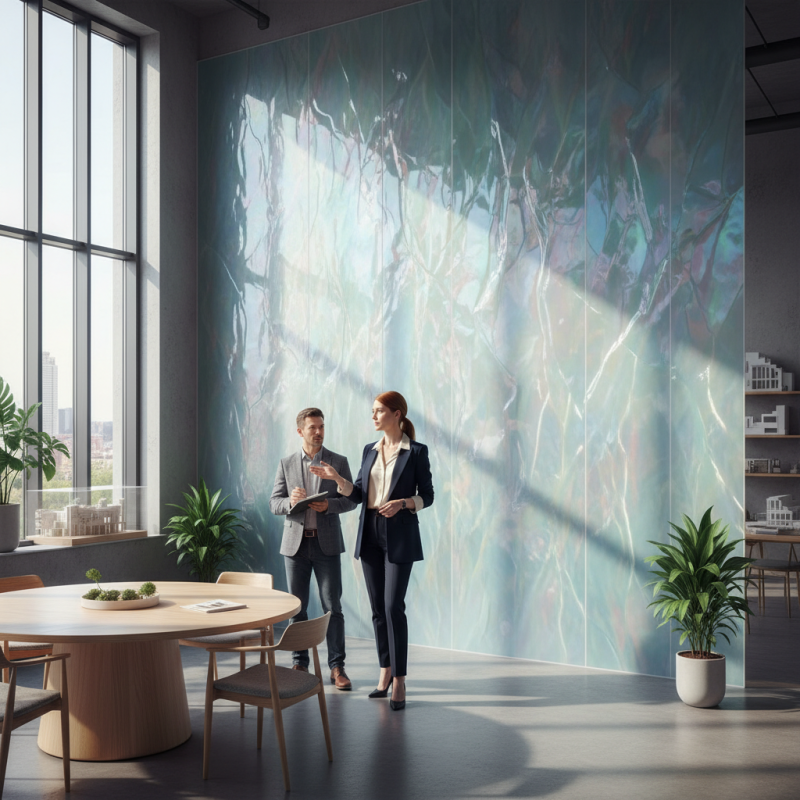
Choosing the best Uv Wall Sheets for your project can be challenging. Industry expert Sarah Thompson, a leading designer in sustainable materials, once said, "The right UV wall sheets can transform a space." Her insights highlight the importance of carefully selecting materials that meet your needs.
UV wall sheets come in various types and finishes. Factors like durability, aesthetics, and UV resistance are vital. When working on a project, consider how these elements affect your design. Are the sheets adaptable to your environment? Understanding these aspects ensures you make a well-informed decision.
However, it’s essential to reflect on your choices. Not all UV wall sheets are created equal. Some may fade over time or lack the desired resilience. Take the time to research suppliers and their reputations. Balancing quality with budget requires effort but pays off in the end.
Understanding UV Wall Sheets and Their Benefits
UV wall sheets have gained popularity due to their unique benefits. These sheets offer a protective layer, making spaces more durable and easier to maintain. They resist moisture, stains, and scratches effectively. This durability is crucial in high-traffic areas like healthcare facilities and schools. In these environments, cleanliness matters. UV wall sheets can be easily wiped down, promoting better hygiene.
Beyond practicality, UV wall sheets come in various designs and colors. This versatility allows for creative freedom in aesthetic appeal. A well-designed space can enhance mood and productivity. However, choosing the right design can be overwhelming. It's easy to get lost in endless options. Feedback from peers can provide valuable insights. Consider how colors interact with the environment and what feels most comfortable.
One should also think about installation. Proper installation is key to maximizing benefits. A rushed process can lead to issues later. Researching installation methods or consulting a professional may save time and money. The balance between aesthetics and functionality is essential. Reflecting on your choices can lead to more satisfying results.
Key Factors to Consider When Selecting UV Wall Sheets
When selecting UV wall sheets for your project, several key factors come into play. One important consideration is the material composition of the sheets. High-quality sheets are often made from polyvinyl chloride (PVC) or PVC-based materials. According to a report by the American Institute of Architects, these materials have shown over 50% efficiency in UV resistance. This means they provide enhanced protection against harmful UV rays. Additionally, consider the thickness of the sheets. Thicker sheets tend to offer better durability and resistance to wear and tear over time.
Another critical aspect to examine is the installation process. Easy-to-install sheets can reduce project time and labor costs. A survey conducted by the Wall Coatings Association indicated that projects using user-friendly sheets have a 30% lower installation time. However, it’s vital to assess the compatibility of the sheets with your existing structures. Not all wall surfaces are suitable for every type of sheet. Misalignment or improper adhesion can lead to vulnerabilities in the long run.
Choose UV wall sheets based on specific needs. Assess factors like aesthetics, longevity, and maintenance requirements. If you want a vibrant finish, opt for sheets with high color retention. Ensure they can withstand environmental challenges. It's common to overlook this aspect, leading to premature replacements. An informed choice can make a significant difference in the project’s success and lifespan.
How to Choose the Best UV Wall Sheets for Your Project? - Key Factors to Consider When Selecting UV Wall Sheets
| Dimension | Material Type | Thickness (mm) | UV Resistance | Cost Estimate ($/sq ft) |
| 4'x8' | PVC | 2 | 90% | 2.50 |
| 5'x10' | Acrylic | 3 | 95% | 3.20 |
| 4'x10' | Polycarbonate | 4 | 98% | 4.00 |
| 3'x6' | Fiberglass | 2.5 | 85% | 2.00 |
| 6'x12' | High-density Polyethylene | 5 | 90% | 5.50 |
Comparing Different Materials Used in UV Wall Sheets
When selecting UV wall sheets for a project, understanding the materials is crucial. Common options include PVC, acrylic, and polycarbonate. Each material has unique properties that can affect the project's outcome.
PVC is lightweight and affordable but may lack durability over time. It’s important to assess the longevity you need before opting for this choice.
Acrylic sheets offer greater clarity and UV resistance. They can be more expensive, yet they provide a premium look. However, they might scratch easily and require careful handling.
Polycarbonate combines strength and flexibility. It's impact-resistant but can be heavier, which influences installation methods.
Consider the specific environment where the sheets will be used. High humidity areas might lead to mold growth with certain materials. Always weigh the pros and cons to avoid costly mistakes. Each option comes with trade-offs, prompting a thoughtful assessment for the best results.
Assessing Thickness and Durability for Your Project Needs
When selecting UV wall sheets, evaluating thickness and durability is crucial. The thickness of the sheets can directly affect their strength. Thicker sheets often provide better resistance against impacts and environmental factors. For indoor projects, a thickness of around 1/8 inch might suffice. However, for exterior applications, opting for sheets that are 1/4 inch or thicker is generally recommended. This thicker material can withstand harsh weather conditions and UV exposure, extending its lifespan.
Durability also stems from the material type. Some materials may promise high durability but can fall short in real-world conditions. Checking for the impact resistance rating is vital. It provides insight into how the sheets will perform over time. Remember that even a strong sheet can be damaged if not installed correctly. Reflecting on installation practices can minimize issues later. Additionally, consider the maintenance requirements of the sheets. Some materials require more upkeep than others. Evaluate if you can commit to this ongoing maintenance. Balancing thickness and durability with your specific project needs is essential for a successful outcome.
Thickness and Durability Assessment of UV Wall Sheets
Reviewing Color and Design Options for UV Wall Sheets
When selecting UV wall sheets, color and design play crucial roles. The right colors can enhance a space, creating a mood or theme. Think about the atmosphere you want to achieve. Warm colors can invite energy, while cool tones may evoke calmness. Bold designs can add character, while subtle patterns provide elegance. Mixing colors can be effective, but it requires careful consideration to avoid overwhelming the space.
Texture is another aspect to consider. Some UV wall sheets are smooth, while others might have a more tactile finish. A textured sheet can create depth, making it a focal point. It’s essential to view samples in your intended setting. Lighting can significantly alter appearance, so assess how it looks at different times of the day. This process can be frustrating sometimes, particularly when options feel endless. Take your time to find what resonates best with your vision; it’s worth the effort.
Some designs may not suit every project. What looks great in isolation may clash in a completed room. Be prepared to experiment, and don’t hesitate to change direction if something doesn’t feel right. Consulting a professional can provide expertise, especially if you’re uncertain. Your choices should reflect both functional needs and aesthetic desires. Trust your instincts, but also remain open to adjustments. The journey of selecting UV wall sheets is often complex but can turn your project into a stunning reality.