Why Choose an Aluminum Welder Machine for Your Projects?
In the world of welding, the Aluminum Welder Machine stands out for its versatility and effectiveness. According to industry reports, the global welding market is expected to reach $30 billion by 2025, with aluminum welding driving significant growth. This rise in demand emphasizes the importance of selecting the right equipment for projects, especially when working with aluminum.
Aluminum welding offers unique challenges due to the metal’s thermal properties. Specialized machinery is essential for ensuring strong and durable welds. An Aluminum Welder Machine not only addresses these challenges but also enhances productivity. Reports suggest that using the right equipment can improve efficiency by up to 25%. This means projects can be completed faster, saving both time and costs.
However, choosing an Aluminum Welder Machine is not without its complexities. Welders must consider factors such as power requirements, portablity, and usability. The learning curve associated with advanced machines may also pose a challenge. It’s essential for professionals to critically evaluate their needs before making a purchase. Ultimately, investing in a quality Aluminum Welder Machine can significantly impact the outcome of welding projects, as long as the selection process is approached thoughtfully.
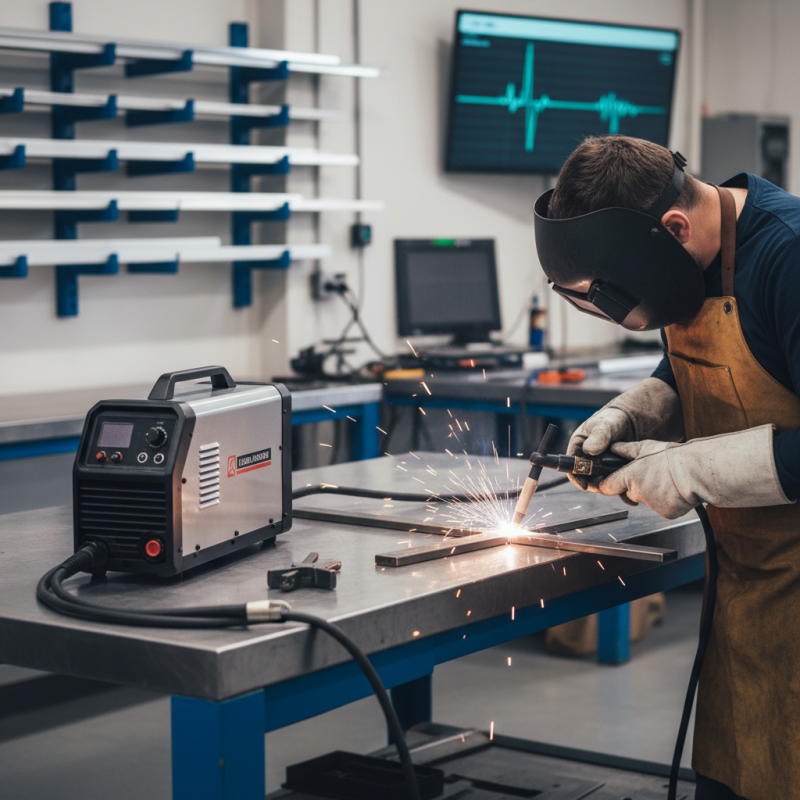
Benefits of Using Aluminum Welder Machines in Various Applications
Aluminum welder machines are highly versatile tools, essential for various applications. They are lightweight yet offer remarkable strength, making them ideal for projects in automotive, aerospace, and construction. Using these machines can simplify the welding process, improving both efficiency and precision.
One significant benefit is their ability to handle various aluminum alloys. This feature allows experts to work on diverse projects without the need for multiple machines. However, achieving clean welds can be challenging, especially for beginners. It's crucial to prepare your materials properly to ensure quality results.
Tips: Always clean the aluminum surface before welding. This step removes any contaminants and enhances the weld quality. Additionally, consider using proper protective gear during the process. Safety should always be a priority.
The portability of aluminum welders is another advantage. They are easier to transport than heavier machines, allowing for on-site work. However, ensure you have access to the right power source, as this can limit your options. Practice is vital; the more you use the machine, the better your skills will become.
Why Choose an Aluminum Welder Machine for Your Projects?
| Application | Benefit | Efficiency | Portability |
| Automotive Repair | Precise welds for lightweight components | High-speed welding reduces time | Easy to transport for onsite repairs |
| Aerospace | Lightweight structures enhance performance | Enhanced production rates | Compact designs improve mobility |
| Construction | Durability in frameworks and supports | Fast setup and assembly | Lightweight tools enhance site efficiency |
| Marine | Corrosion resistance for longevity | Quick repairs mean less downtime | Easily transported to work areas |
| Art and Sculpture | Creative versatility in metalwork | Rapid prototyping capabilities | Portable setup for exhibitions |
Key Features to Consider When Selecting an Aluminum Welder Machine
When selecting an aluminum welder machine, consider its key features carefully. Aluminum welding often requires specialized machines designed for lightweight materials. The machine's duty cycle is crucial. A higher duty cycle allows longer operation without overheating. Machines with a duty cycle of 60% or more are generally preferred for extensive projects.
Another important aspect is the type of welding process. MIG welding is popular for aluminum due to its speed and ease of use. According to industry reports, around 70% of professional welders prefer MIG for aluminum work. Moreover, the welder's input power matters, especially for thick materials. A machine with at least 200 amps is typically suitable for various aluminum thicknesses.
Portability can also influence your choice. If your projects vary in location, a lightweight model simplifies transport. Some machines weigh less than 30 pounds, offering versatility. However, performance can sometimes be compromised in portable models. Evaluate your actual need against convenience. Balancing these features ensures you select the right aluminum welder for your specifications.
Comparing Aluminum Welders to Other Welding Equipment Options
Choosing the right welding equipment significantly influences project outcomes. Aluminum welders offer unique advantages over traditional welding machines, especially in terms of versatility and effectiveness. A report from the American Welding Society demonstrates that aluminum accounts for approximately 8% of the total welding market. This growing demand highlights the need for specialized machines tailored for aluminum.
When evaluating aluminum welders against other options, factors like precision and ease of use come into play. Aluminum welding requires specific techniques, often utilizing TIG or MIG methods. These methods provide a cleaner weld and reduce the risk of contamination. Studies show that using aluminum-specific machines can increase weld quality by up to 40% compared to general-purpose welders. However, they can demand more technical skill, raising the barrier for less experienced welders.
Moreover, aluminum welding can be more susceptible to warping. Users must approach the process with caution to avoid damaging the material. Reports indicate that nearly 30% of weld failures are attributed to improper temperature control. A focus on learning and adapting techniques is essential for successful projects. Specialized aluminum welding equipment can facilitate this, but without dedication and practice, the results may fall short.
Tips for Proper Maintenance of Aluminum Welder Machines
When working with aluminum welder machines, maintenance is crucial for optimal performance. Regular cleaning helps avoid buildup. Remember to clean the nozzle and contact tip after each session. This simple task ensures efficient welding and improves the quality of your work.
Another essential tip is to check the gas flow rates. Insufficient gas flow can lead to poor weld quality. Periodically inspect hoses and connections for any leaks. Leaks can be subtle but greatly affect your project outcomes. If you notice a drop in performance, it might be time for a thorough examination.
Proper storage of your aluminum welder machine is equally important. Store it in a dry area free from dust and moisture. This prevents corrosion and ensures longevity. If you face issues, consider seeking expert advice. Mistakes happen, and it's okay to learn from them.
Common Applications and Projects Ideal for Aluminum Welding
Aluminum welding is essential in various industries due to its lightweight properties and corrosion resistance. Popular applications include automotive, aerospace, and marine projects. The automotive industry, for instance, increasingly relies on aluminum for better fuel efficiency. According to a recent industry report, aluminum usage in cars has grown by 30% over the last decade.
In the aerospace sector, welded aluminum components are crucial for structural integrity and weight reduction. The International Aluminum Institute reports that aluminum applications account for over 60% of total aircraft weight. Marine projects also benefit significantly, with aluminum providing durability against harsh environments.
**Tip:** Ensure your aluminum welder machine has adjustable settings for different thicknesses. This flexibility allows you to tackle various projects effectively. A good machine can handle joints and seams precisely, which is vital for structural work.
Welding aluminum requires attention to detail. Imperfections can lead to weak spots. Regularly inspect for any discrepancies in your welds. Keep in mind that practice leads to refinement. Not all attempts will be perfect, and that’s part of the learning process.
Common Applications of Aluminum Welding
This bar chart illustrates the common applications of aluminum welding, showcasing the popularity of various projects suited for aluminum welding technology.